How Jamaica Plain's New Community Land Trust Could ...
As rents climb past $2,500 for a one-bedroom, a local initiative aims to lock in affordability—but success depends on sustained neighborhood investment.
As rents climb past $2,500 for a one-bedroom, a local initiative aims to lock in affordability—but success depends on sustained neighborhood investment.
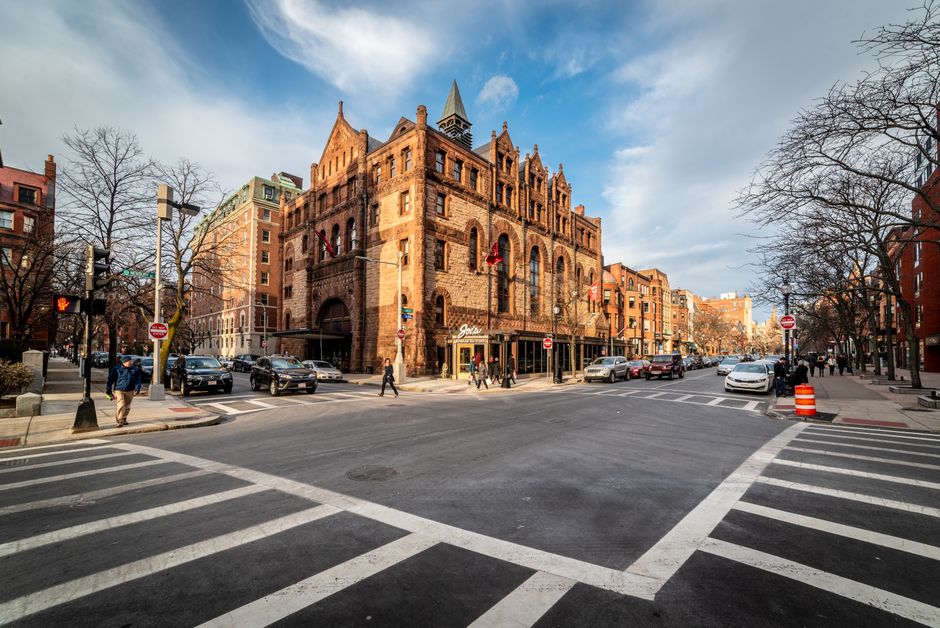
On a humid Tuesday evening, two dozen residents crowded into the Stonybrook Neighborhood Center on Centre Street to hear about an experiment that could alter the course of Jamaica Plain's future: a community land trust designed to preserve affordable housing in perpetuity.
The Jamaica Plain Community Land Trust, formally launching this fall, represents a direct response to displacement that has reshaped the neighborhood over the past decade. Median rents in Jamaica Plain have climbed 43 percent since 2015, according to data from the Greater Boston Real Estate Board, pushing longtime residents toward the outer edges of the city or beyond it entirely. For a neighborhood with deep roots in working-class Dominican, Puerto Rican, and African American communities, the stakes feel existential.
"We're talking about keeping our neighbors here," said Marcus Chen, director of community development at the Hyde Square Task Force, which is spearheading the effort alongside the nonprofit Dudley Street Neighborhood Initiative. "This isn't abstract policy. It's about whether your cousin can afford to stay in the neighborhood where she grew up."
Community land trusts work by separating land ownership from building ownership. The trust acquires property—using a combination of public funding, philanthropic grants, and private donations—then leases it to residents or nonprofit developers at below-market rates. Homeowners build equity in their structures while the trust maintains permanent affordability on the land itself. The model has worked in cities like Burlington and Minneapolis, preserving thousands of units.
For Boston, where the median home price topped $725,000 last year, the potential is significant. Jamaica Plain alone has identified twelve properties as targets for acquisition within the next three years, with an estimated cost of $8.4 million—funding the trust is currently pursuing through the city's Community Preservation Act and state housing bond initiatives.
But skeptics note the math is daunting. Even with successful fundraising, a land trust can only preserve a sliver of Jamaica Plain's roughly 12,000 housing units. The real test, residents suggest, is whether this model can scale—and whether the city will commit sustained resources.
"We're not going to save Jamaica Plain with one land trust," acknowledged Reverend Liz Linder of First Baptist Church on Centre Street, who attended Tuesday's meeting. "But you have to start somewhere. And right now, doing nothing means watching your community disappear."
The trust's first public hearing is scheduled for August at Jamaica Plain High School.
This article was compiled by AI from the sources linked above and screened before publishing. See our editorial standards.
How does this story make you feel?
Spread the word
About this article
Published by The Daily Boston
Daily brief
Free, in your inbox before 7am. Weekdays.
More in News