Boston's Green Future Hangs on Three Critical Decisions This Fall
As the city races to meet its 2050 net-zero target, officials face tough choices on transit funding, building retrofits, and waterfront resilience.
As the city races to meet its 2050 net-zero target, officials face tough choices on transit funding, building retrofits, and waterfront resilience.
Boston stands at a crossroads. With less than a month until the City Council's September session, municipal leaders must decide whether to pursue an aggressive building efficiency mandate that could reshape the real estate market, approve funding for the Green Line's expansion into Somerville, and finalize a $2.8 billion waterfront adaptation strategy—choices that will determine whether the city achieves its 2050 net-zero emissions goal or falls significantly short.
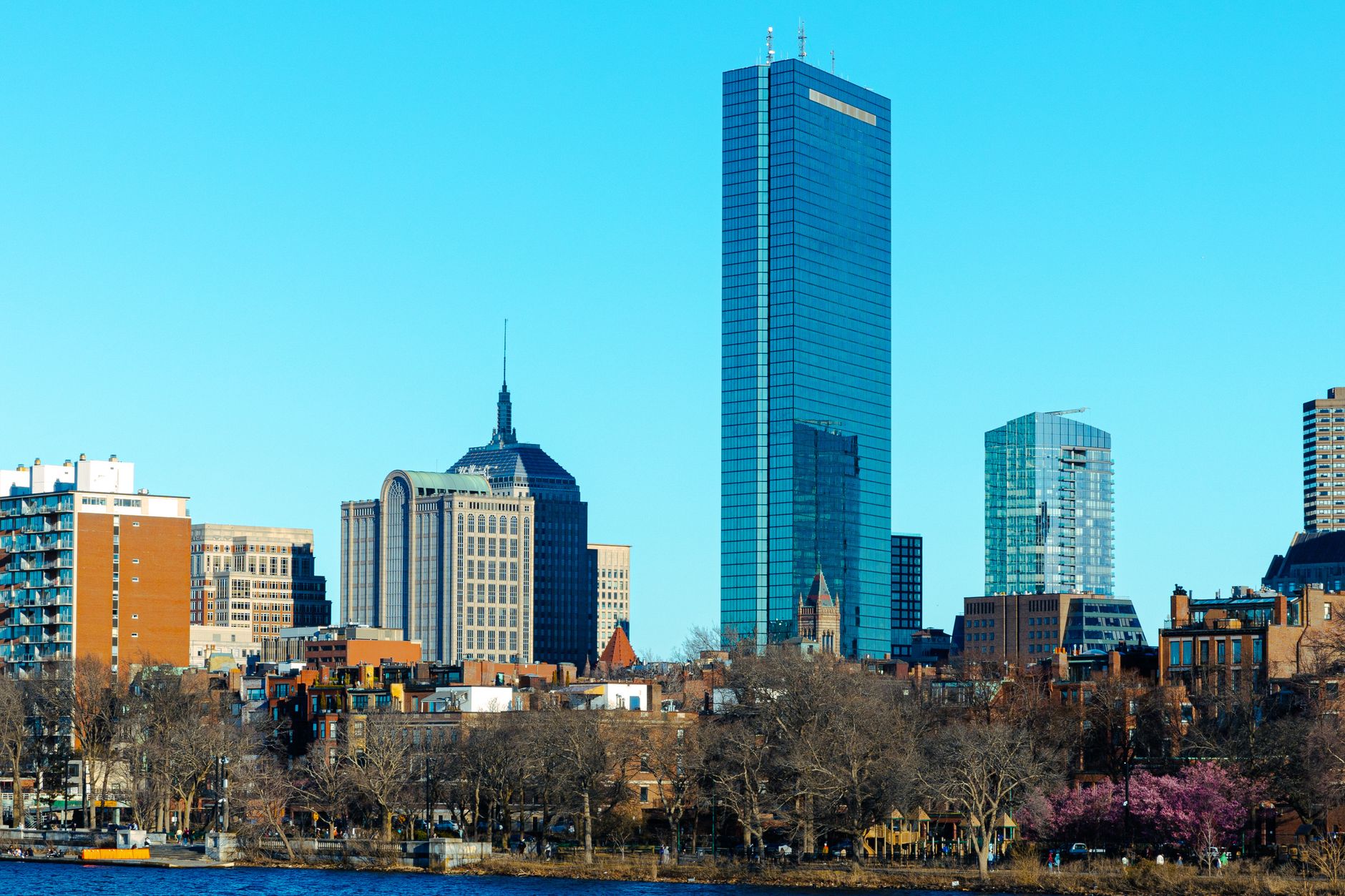
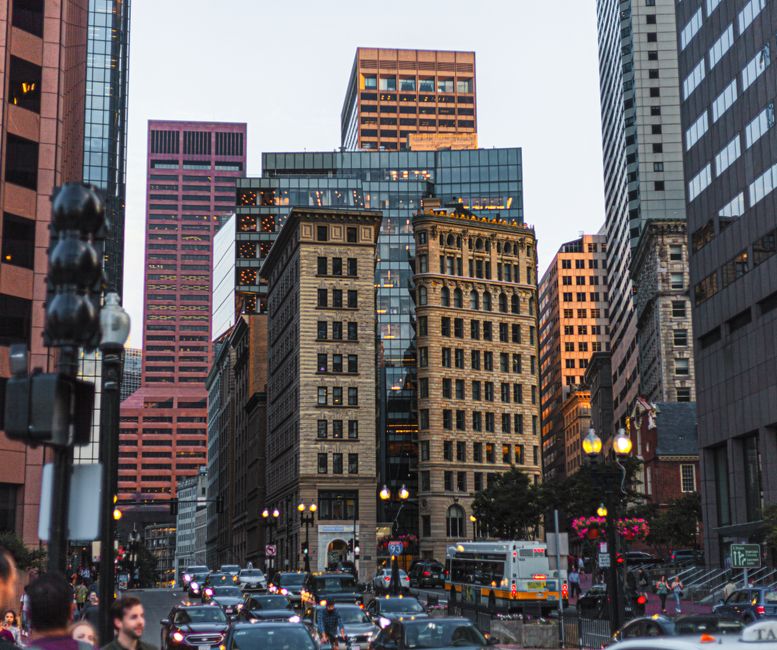
The building retrofit decision looms largest. Currently, structures over 25,000 square feet generate roughly 70 percent of Boston's carbon emissions. A proposed ordinance would require owners to cut emissions by 50 percent by 2035, forcing costly upgrades to heating systems, insulation, and electrical infrastructure. For Back Bay brownstones and Seaport office towers alike, compliance could mean $150,000 to $500,000 per building. The real estate industry warns of displacement; environmental groups counter that delay costs more.
Transit expansion represents the second critical pivot. The Green Line's extension to Union Square in Somerville could reduce car trips by an estimated 12,000 daily, but the project requires $650 million in matching funds beyond the state's $500 million commitment. City officials must decide whether to pursue a local option sales tax increase—politically risky—or redirect money from other priorities. Without new transit corridors, the city's emissions reduction targets become mathematically implausible.
The third decision concerns climate adaptation. Boston's harbor rises 4.5 millimeters per year, faster than the global average. The recently completed resilience study recommends elevated roadways along the Greenway, living shorelines in East Boston, and upgraded stormwater systems throughout Dorchester and Roxbury. The $2.8 billion price tag dwarfs current annual environmental spending. City planners must choose between phased implementation over two decades or front-loading investments in the neighborhoods most vulnerable to flooding.
These decisions arrive amid competing pressures. Inflation has driven construction costs up 40 percent since 2020. Voters are increasingly climate-conscious but wary of higher taxes. The state's recent climate bill requires municipalities to report progress quarterly, adding accountability—and visibility when targets slip.
The Boston Planning & Development Agency will present final recommendations to the City Council in early September. Commissioners face a summer crunch finalizing impact analyses. Whether the city emerges with a credible roadmap to decarbonization or a patchwork of half-measures will depend on decisions made in the next eight weeks.
This article was compiled by AI from the sources linked above and screened before publishing. See our editorial standards.
How does this story make you feel?
Spread the word
About this article
Published by The Daily Boston
Daily brief
Free, in your inbox before 7am. Weekdays.
More in News