Boston's Building Boom: What's Really Driving New Development Prices and Where Smart Buyers Should Look Now
A wave of approvals across Somerville, South Boston, and Cambridge is reshaping the market—here's how to navigate it.
A wave of approvals across Somerville, South Boston, and Cambridge is reshaping the market—here's how to navigate it.
Boston's property market is being fundamentally reshaped by a construction surge that's fundamentally changing price dynamics across the metro. With median prices holding steady around $780,000 citywide, new developments are creating a two-tier system that savvy buyers need to understand.
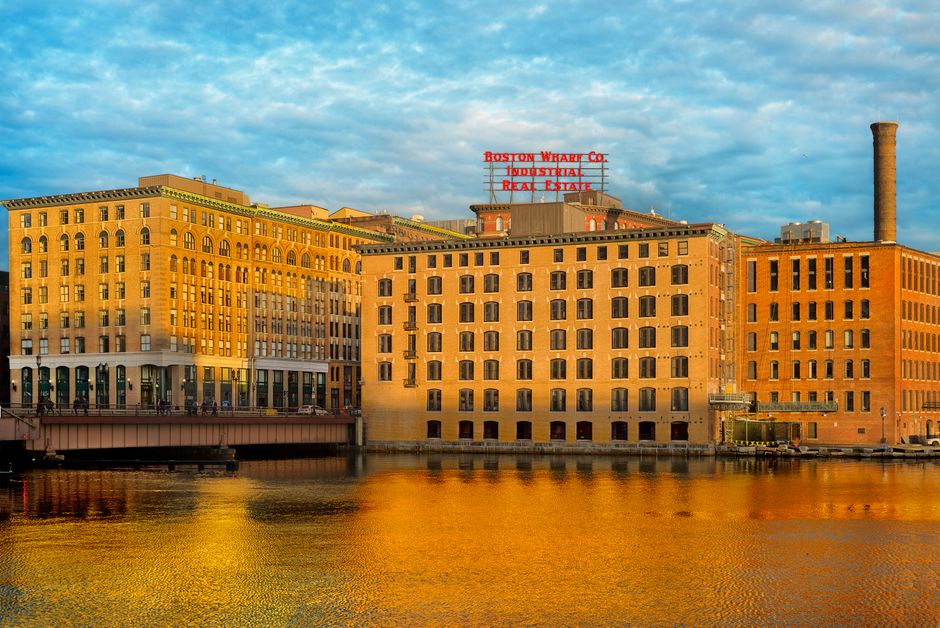
The approval pipeline tells the story. South Boston, long the city's most aggressive transformation zone, continues to see significant residential projects pencilled in along Congress Street and near the Waterfront. Simultaneously, Somerville and Cambridge—universities' economic engines—are experiencing unprecedented zoning flexibility that's unlocking previously constrained sites. These aren't marginal changes; they're reshaping what properties cost and where growth is actually happening.
The core driver? Supply meeting pent-up demand in specific corridors. New construction in Somerville near Davis Square and along the Green Line corridor is trading at premiums of 15-20% over comparable resale stock, according to recent transaction patterns. But here's what matters: these units are moving faster than older inventory. Buyers facing the choice between a $750,000 condo renovation on Beacon Hill versus a $795,000 new-build in Union Square are increasingly choosing the latter, betting on appreciation and modern amenities.
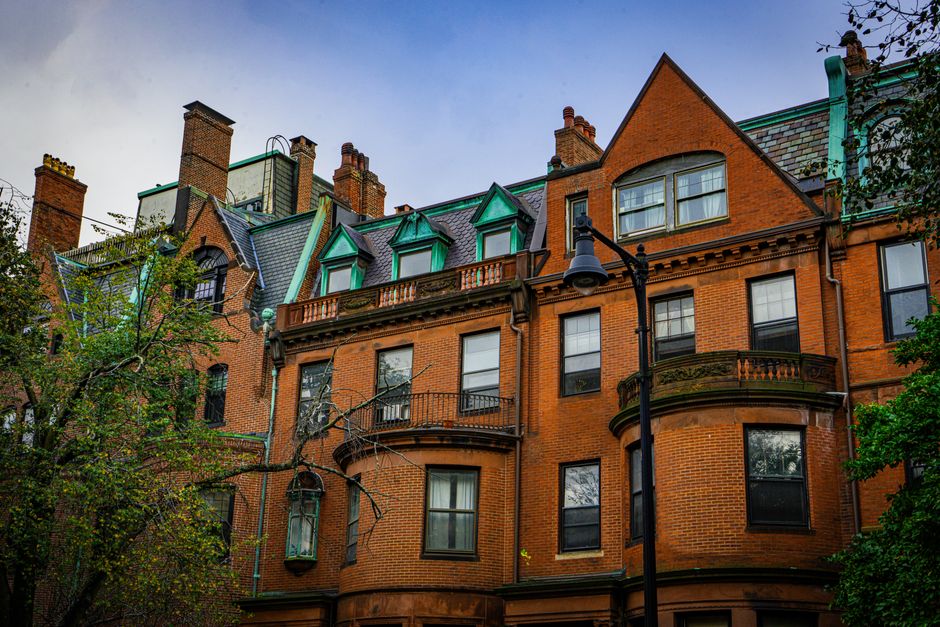
What's being overlooked? The approval surge doesn't mean prices are normalising—it means they're clustering. Back Bay and Beacon Hill remain anchored by heritage, scarcity, and established prestige. But the real price acceleration is happening in the second ring: Somerville's Assembly Row district, South Boston's evolution beyond Seaport, and Cambridge's overlooked pockets near MIT. Developers are chasing these areas because land costs are still reasonable and zoning permits density that downtown neighbourhoods resist.
For buyers, three critical factors are reshaping decisions right now. First, timing matters acutely—early approvals in emerging zones (Somerville's Inner Belt, South Boston's industrial conversion zones) offer entry points before neighbourhood recognition fully capitalises into prices. Second, transit proximity has become the price accelerant; anything within half a mile of the Green Line or bus rapid transit in Somerville is commanding premiums that justify new construction costs. Third, the approval pace means competition is increasing; off-market deals and investor activity are intensifying.
The construction boom isn't creating bargains. It's creating choice. Buyers who understand that new approvals signal where the market is moving—rather than where it's bottoming—will make smarter decisions. Watch where City Hall is approving density, follow the construction cranes, and understand that in 2026's Boston market, what gets built today determines neighbourhood trajectory for a decade.
This article was compiled by AI and screened before publishing. See our editorial standards.
How does this story make you feel?
Spread the word
About this article
Published by The Daily Boston
Daily brief
Free, in your inbox before 7am. Weekdays.
More in Property