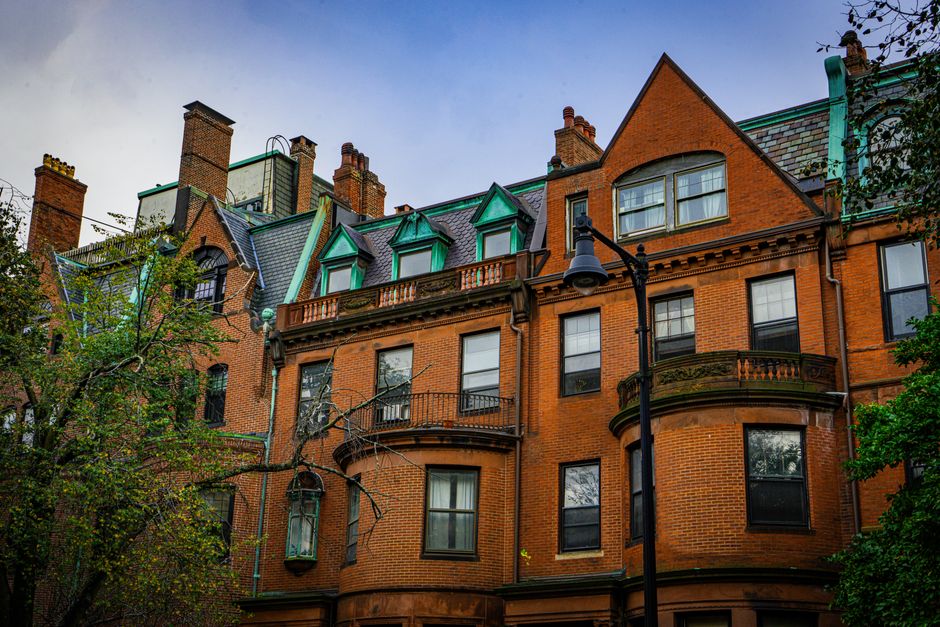
Boston's Rental Vacancy Crisis: What's Pushing Prices Up and What Tenants Must Know Now
As vacancy rates hit a decade low, renters face a perfect storm of tight supply and rising costs—here's what's really driving the market.
As vacancy rates hit a decade low, renters face a perfect storm of tight supply and rising costs—here's what's really driving the market.
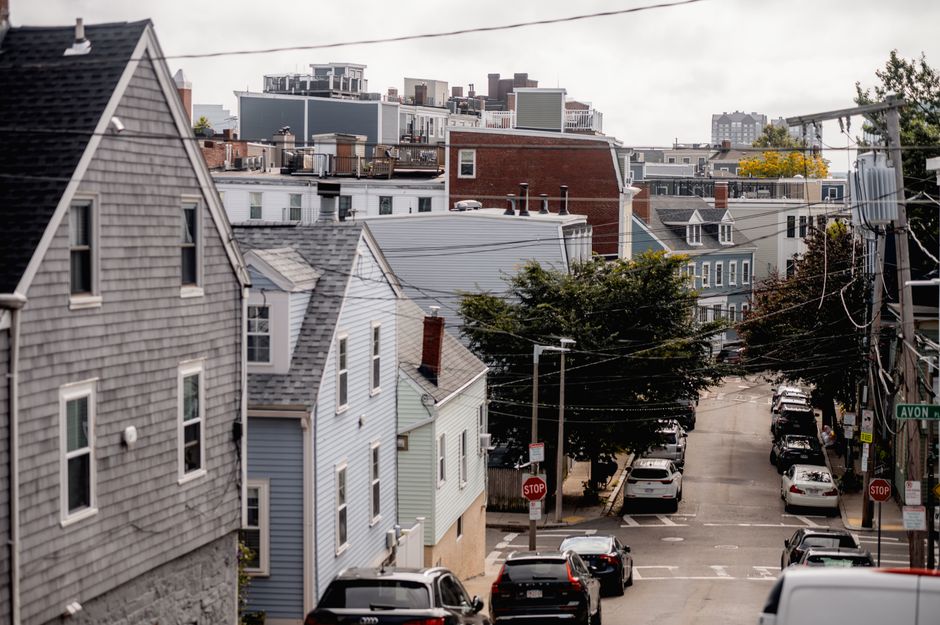
Boston's rental market has entered a new phase of scarcity. Vacancy rates across the metro area have fallen below 3 percent, the lowest recorded in over a decade, and the ripple effects are reshaping neighbourhoods from Somerville to the Seaport District. For prospective tenants, understanding what's fueling this squeeze is essential to navigating one of America's most competitive rental markets.
The primary culprit is structural undersupply. New residential construction, while visible in pockets like South Boston and around Kendall Square in Cambridge, hasn't kept pace with demand driven by three major forces: an influx of remote workers relocating to the Northeast, sustained university enrollment pressures from Boston College, BU, and MIT, and limited inventory as landlords hold properties rather than list them. The median rent for a two-bedroom apartment now hovers around $3,200 monthly across inner neighbourhoods, with premium locations like Beacon Hill commanding $4,000-plus.
Investors have also fundamentally altered the equation. Rather than converting units into owner-occupied properties—which historically released rental stock—institutional buyers are consolidating portfolios, particularly along the Charles River corridor and in rapidly gentrifying areas like Assembly Row in Somerville. This reduces turnover and keeps prices elevated.
Supply-side regulation compounds the issue. Boston's zoning restrictions and lengthy permitting processes slow new construction. Meanwhile, operating costs for landlords—property taxes, utilities, and maintenance—have climbed sharply, expenses that are passed directly to renters. The city's inclusionary zoning requirements, while socially valuable, further limit new market-rate supply.
For renters, several strategies matter now. First, flexibility on location yields savings; moving one stop further on the Red Line toward Quincy or north toward Malden can save $400-600 monthly without sacrificing transit access. Second, securing leases early is critical—vacancy turnover happens fast, and waiting often means missing units. Third, understanding tenant rights through organizations like the Massachusetts Tenants Organization provides leverage in negotiations. Finally, renters should pre-approve finances and prepare applications swiftly; competitive neighbourhoods now see applications processed within hours.
The market will likely remain tight through 2026 and beyond. While construction in South Boston's Fort Point Channel and Cambridge's Alewife areas may eventually ease pressure, near-term relief is unlikely. Savvy renters must act decisively, research neighbourhoods thoroughly, and recognize that Boston's rental market now favors those who understand its mechanics.
This article was compiled by AI and screened before publishing. See our editorial standards.
How does this story make you feel?
Spread the word
About this article
Published by The Daily Boston
Daily brief
Free, in your inbox before 7am. Weekdays.
More in Property