Luxury Reimagined: How New Developments Are Reshaping ...
A wave of high-end residential projects along the Seaport and Commonwealth Avenue corridor is fundamentally altering where Boston's wealthiest choose to build their next home.
A wave of high-end residential projects along the Seaport and Commonwealth Avenue corridor is fundamentally altering where Boston's wealthiest choose to build their next home.
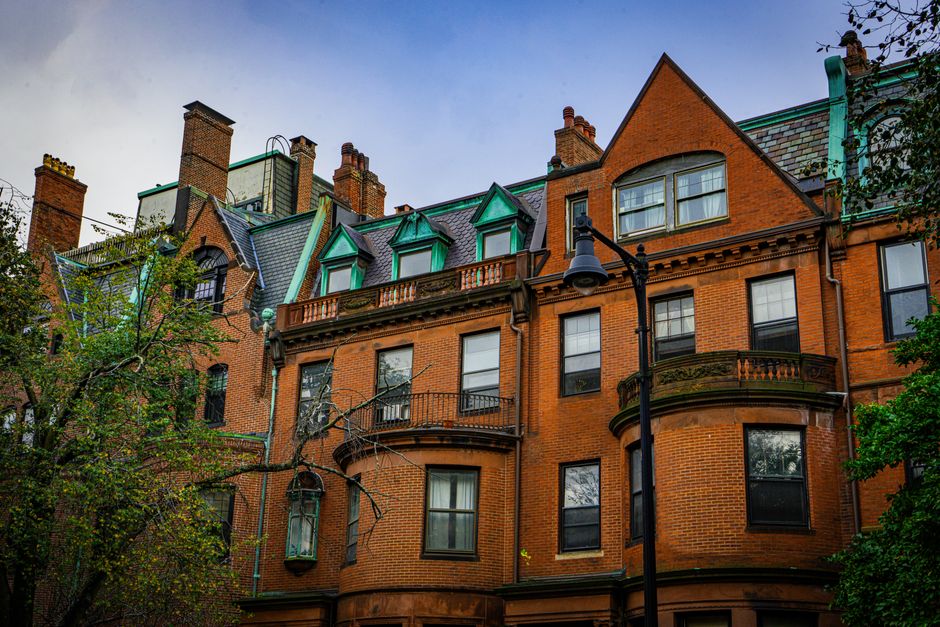
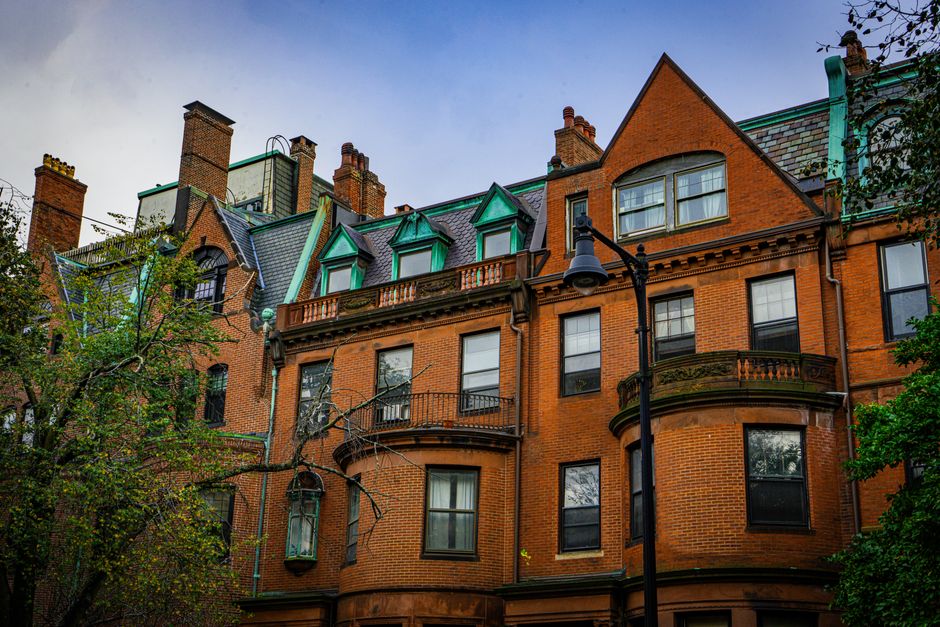
Boston's luxury property market is experiencing a decisive shift. While Beacon Hill and Back Bay remain the traditional bastions of prestige—with median prices hovering well above the city's $780,000 baseline—new development projects are aggressively redefining what "elite Boston" means in 2026.
The transformation is most visible in the Seaport District, where mixed-use towers with penthouses commanding $8–12 million are fundamentally changing the neighbourhood's character. These aren't conversions of historic brownstones; they're statements of architectural ambition, featuring floor-to-ceiling glass, private spa facilities, and direct marina access. Developers are banking on a simple premise: ultra-high-net-worth individuals increasingly prefer curated modernity over inherited prestige.
Equally significant is the Commonwealth Avenue corridor, where university-adjacent development near BU and Harvard's Cambridge facilities is attracting academic wealth and institutional investors. New luxury rental compounds and boutique condominiums are commanding rents exceeding $8,000 monthly for two-bedroom units—a 23% increase from 2024 figures. This suggests genuine demographic hunger rather than speculative excess.
But what does this mean for the area? Property specialists observe a three-part consequence. First, price pressure on surrounding neighbourhoods: South Boston's transformation, already underway, accelerates as developers eye Dorchester Avenue waterfront sites. Second, demographic recalibration—younger, tech-oriented wealth increasingly competes with old-money Boston institutions for premium addresses. Third, retail and cultural adaptation, with Michelin-starred restaurants and luxury brands following residential development rather than preceding it.
The risks warrant mention. Australia's property cycle teaches us that premium markets can correct sharply when sentiment shifts. Boston's luxury segment remains heavily dependent on institutional capital and foreign investment—both vulnerable to interest-rate volatility. Recent data showing elevated property clearance rates nationally suggests even prestige assets are taking longer to move.
Yet Boston's structural advantages persist. Limited land supply, Ivy League gravity, institutional wealth concentration, and the city's role as a financial and biotech hub provide genuine underpinnings for high-end values. The Seaport's transformation from industrial wasteland to $20+ billion neighbourhood proves that geography can be entirely remade by sufficient capital.
The question isn't whether these developments will succeed—early sales data confirms strong demand. Rather, it's whether they'll democratise prestige or calcify it further. For now, Boston's luxury market is telling a clear story: the city's definition of elite is expanding, but only for those with sufficient means to claim a seat at the table.
This article was compiled by AI and screened before publishing. See our editorial standards.
How does this story make you feel?
Spread the word
About this article
Published by The Daily Boston
Daily brief
Free, in your inbox before 7am. Weekdays.
More in Property