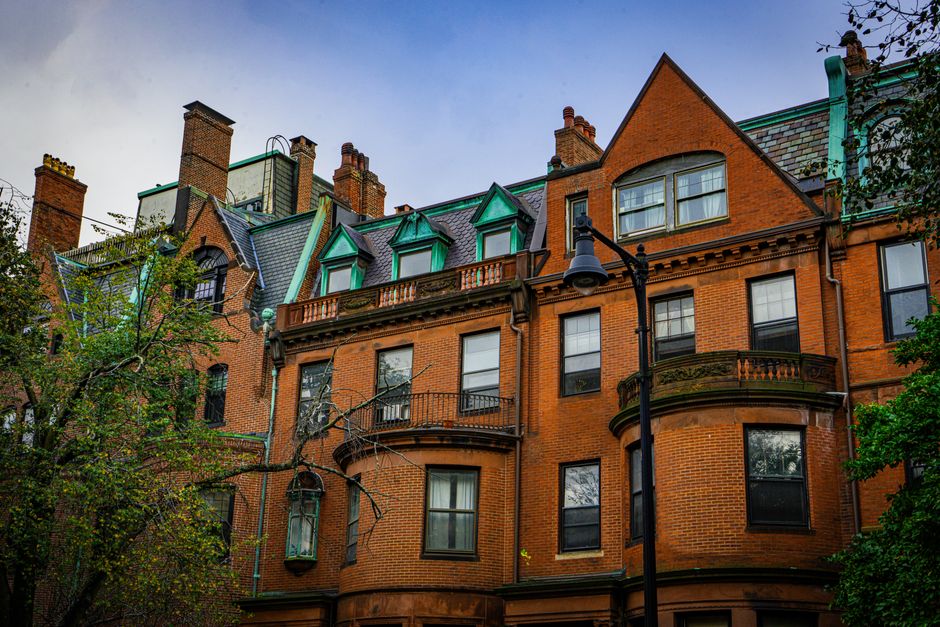
For first-time buyers in Boston, the path to homeownership rarely runs straight. Most navigate the rental market first—a smart move in today's environment, where vacancy rates have tightened considerably and understanding tenant dynamics can inform smarter purchasing decisions.
Boston's rental market is operating at roughly 3-4% vacancy, well below the 5-6% considered healthy for renters. This compression has immediate implications. If you're leasing in Beacon Hill or Back Bay while saving for a down payment, expect to pay premium rates—often $2,800-$3,500 for a one-bedroom. But there's strategic opportunity here. Neighbourhoods like Somerville and Cambridge, which have seen steady growth in both rental and purchase prices, offer better value propositions. A rental in these areas typically runs $2,200-$2,800, freeing up capital for your eventual down payment while positioning you closer to Cambridge's universities and employment hubs.
South Boston's ongoing transformation presents another angle. Once affordable, the neighbourhood's rental market has climbed sharply as waterfront development attracts young professionals. However, renting here first gives you on-the-ground knowledge—critical before committing to a purchase in an evolving market. The median Boston home price sits around $780,000, and South Boston properties now regularly exceed this.
First-time renters should approach this market strategically. The Massachusetts Tenants Union and local housing advocacy groups like Boston Housing Authority can clarify tenant rights—essential knowledge as tight markets sometimes embolden aggressive landlord practices. Request lease reviews before signing; understand security deposit limits and habitability standards.
Timing matters. Late spring (now, in June) sees peak rental competition. If possible, negotiate lease terms that allow flexibility—crucial for those planning to purchase within 12-24 months. Some landlords offer shorter terms or built-in exit clauses for buyers obtaining mortgages.
Use rental tenure strategically. Renting first builds credit history—vital for mortgage qualification. It also lets you stress-test neighbourhoods. A year in Somerville's Union Square or Cambridge's Central Square reveals commute realities, community feel, and infrastructure investments that property listings won't capture.
The rental market's current tightness is temporary. As interest rates stabilize and new rental supply comes online (particularly in Cambridge and Somerville), conditions will shift. By then, observant renters will have mapped their ideal neighborhoods, understood local school systems and walkability, and accumulated the financial discipline for homeownership. That groundwork transforms the eventual purchase from rushed decision into informed choice—invaluable when navigating Boston's $780,000 median landscape.
This article was compiled by AI and screened before publishing. See our editorial standards.