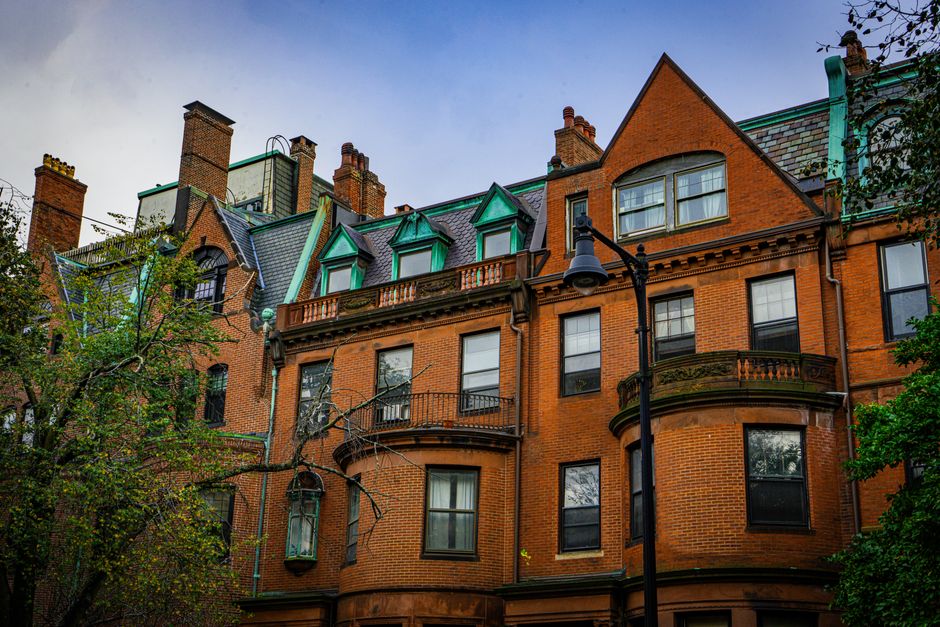
Boston's property market sits at a crossroads. With median prices holding around $780,000 and Beacon Hill commanding seven-figure premiums, the city's affordability challenge has become increasingly acute. Yet a wave of new residential developments now reshaping the skyline and neighborhoods beyond downtown may offer both hope and complications for buyers and renters alike.
The Seaport District remains the most visible flashpoint. Luxury towers and mixed-use complexes continue to fill former industrial parcels, drawing wealthy buyers from across the Northeast. Yet these developments, while symbolically important to Boston's transformation, primarily serve the upper end of the market. Across the harbor, South Boston's evolving waterfront and ongoing gentrification tell a similar story: new construction attracts investment, but rarely translates into meaningful affordability gains for middle-income households.
The real pressure points lie elsewhere. Somerville and Cambridge have emerged as growth corridors, partly because land costs remain lower than Boston proper. New apartment buildings near Tufts and MIT campuses are driving rental demand, with university-adjacent neighborhoods absorbing much of the city's population overflow. The Green Line Extension into Somerville has catalyzed development around stations, though early signs suggest new units are still pitched at the upper-middle market rather than genuinely affordable segments.
Developers face genuine constraints. Construction costs, labor shortages, and permitting timelines make it economically difficult to build below $500,000 per unit in a city where land acquisition alone can consume 30 to 40 percent of project budgets. Inclusionary zoning policies—which require a percentage of units in new developments to remain affordable—have helped, but advocates argue the thresholds remain too weak.
What's becoming clear is that new supply alone won't solve affordability. A $2 million luxury condo built on Atlantic Avenue doesn't meaningfully reduce pressure on a $600,000 three-bedroom in Jamaica Plain. The projects that matter most are those specifically targeting middle-market demographics, whether through municipal partnerships, creative financing, or policy incentives that make moderate-income housing economically viable.
As Boston's development pipeline continues filling through 2027 and beyond, the question isn't just whether new projects will be built—they will be. It's whether municipal leadership can ensure they address the actual affordability needs of the workforce that powers the city. Without that intentionality, new construction risks becoming another symbol of Boston's thriving real estate market rather than a solution to its deepening housing crisis.
This article was compiled by AI and screened before publishing. See our editorial standards.