What Boston's auction blocks and price data are really signalling for landlords
Clearance rates are softening, but savvy investors are reading the tea leaves in Cambridge and Somerville to find where yields still stack up.
Clearance rates are softening, but savvy investors are reading the tea leaves in Cambridge and Somerville to find where yields still stack up.

Boston's property market is sending mixed signals, and nowhere is that tension clearer than in the gap between headline prices and what's actually moving at auction. The median sits stubbornly near $780,000 across the metro, yet clearance rates have dipped to levels not seen in recent cycles—a warning sign that's forcing landlords to recalibrate their plays.
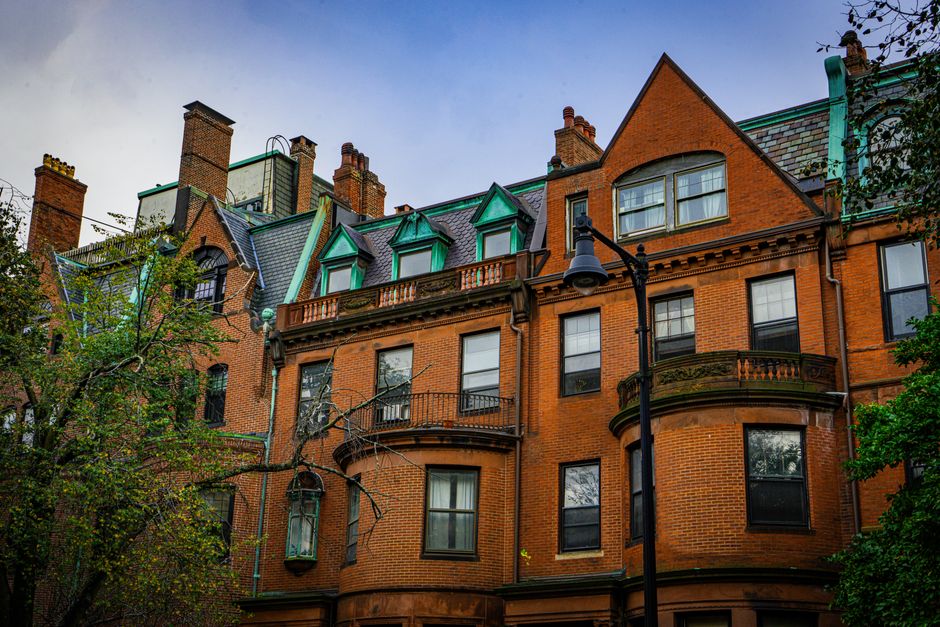
The story varies dramatically by postcode. Beacon Hill and Back Bay remain trophy territory, with per-square-foot valuations pushing $1,200 and above, but rental yields there are razor-thin for new investors. A $2.5 million brownstone on Charles Street might clear $3,000 monthly rent—roughly 1.4 percent gross yield before expenses. That's a capital appreciation play, not a cashflow story.
Where the real signals are flashing is in the transformation corridors. South Boston's ongoing gentrification continues to draw investor attention, with blocks around D Street and the Harborwalk seeing sustained price momentum. Auction results here show properties moving reliably, though days-on-market have stretched compared to 2023. More telling: properties listed with realistic expectations—accounting for renovation requirements and actual comparable rents—are clearing at rates 15-20 percent higher than over-priced stock.
Cambridge and Somerville present a different calculus entirely. University-driven demand and younger renter demographics support higher absolute rents, yet purchase prices have climbed steeply. A modest two-bedroom near Davis Square in Somerville might rent for $2,800 but carry a $850,000 price tag. The yield math works better than Beacon Hill, but only if you're prepared for higher turnover and maintenance costs in older stock.
Recent auction activity suggests savvy money is filtering downward into secondary locations. Properties that once seemed peripheral—pockets of Jamaica Plain, the expanding Seaport fringe, and parts of Dorchester—are attracting serious bidding. This isn't random. It reflects a shift: investors can no longer rely on appreciation alone and are hunting genuine rental returns.
The data is clear for landlords eyeing 2026: location premiums have compressed. A $1 million investment in Beacon Hill and a $950,000 buy in Somerville no longer represent wildly different risk profiles—the latter increasingly offers better yield potential. Clearance rates reward realistic pricing and solid fundamentals, not hoping for a rescue bid from an out-of-state fund.
The auction block, as always, doesn't lie. Properties are telling you exactly what the market will bear. The question is whether you're listening.
This article was compiled by AI and screened before publishing. See our editorial standards.
How does this story make you feel?
Spread the word
About this article
Published by The Daily Boston
Daily brief
Free, in your inbox before 7am. Weekdays.
More in Property