Boston's median property price of $780,000 masks a deeper truth that investors are beginning to confront: the market's maths don't always add up the way they used to. Across the city's most sought-after neighbourhoods, gross rental yields—the annual rent divided by purchase price—have compressed to levels that demand serious scrutiny about where returns actually materialise.
A two-bedroom apartment in Somerville, now commanding $650,000 to $750,000, typically generates $2,400 to $2,700 per month. That's a gross yield of roughly 3.8 to 4 per cent before expenses—insurance, maintenance, vacancy periods, and property taxes that can run $1,200 annually or higher. After costs, net yields often hover below 2 per cent, a return that barely outpaces inflation and certainly doesn't justify the capital risk.
South Boston tells a different but equally revealing story. The neighbourhood's transformation has attracted waves of investor capital, yet the arithmetic has shifted. Properties selling for $900,000 to $1.1 million in the Fort Point Channel area command rents of $3,000 to $3,500, translating to gross yields of 3.2 to 4.6 per cent. Yet with South Boston's rising property taxes and the expectation of capital appreciation now priced in, investors are increasingly chasing price growth rather than income.
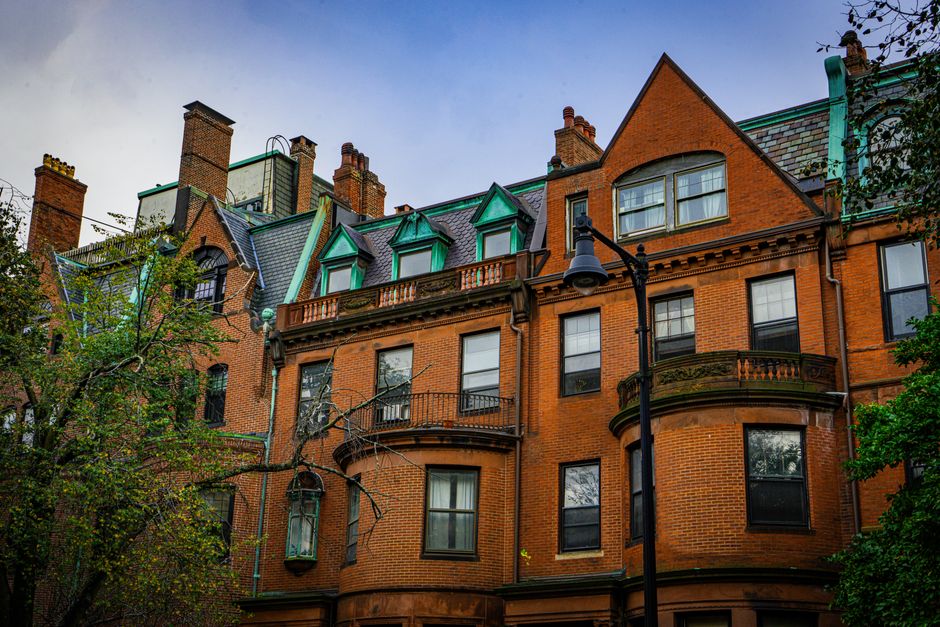
The Beacon Hill premium—where Georgian townhouses regularly exceed $2 million—produces even tighter yields, often under 2.5 per cent gross. Here, the investor thesis depends almost entirely on long-term capital appreciation, a bet that assumes sustained demand from Boston's university-driven economy and international wealth flows.
Cambridge and the Charles River corridor present a curious exception. Properties near MIT and Harvard command premium rents relative to purchase price in certain pockets, yielding 4.5 to 5.5 per cent gross. Yet even this apparent advantage erodes quickly when factoring in student lease volatility and the concentration risk of an education-dependent market.
What the numbers reveal is a market in transition. Boston's housing shortage has compressed yields across the board, forcing investors to choose between accepting lower income returns in hope of capital gain, or seeking alternative strategies—renovation plays, short-term rentals where regulations permit, or simply exiting residential entirely.
For owner-occupiers, the message differs. A $780,000 purchase with $3,200 monthly rent potential may offer poor investment returns, but owner-occupiers aren't paying for yield—they're paying to house themselves. The real concern: as investors retreat from income-focused strategies, who fills the rental supply gap in a market where construction hasn't kept pace with demand?
This article was compiled by AI and screened before publishing. See our editorial standards.