Boston's Pipeline Boom: What $3.2B in New Developments Mean for Neighborhoods Ready to Transform
From the Seaport to Somerville, ambitious projects are reshaping the city's character—and its affordability equation.
From the Seaport to Somerville, ambitious projects are reshaping the city's character—and its affordability equation.
Boston's development approval machine has shifted into overdrive. With more than 15 major projects now in permitting or early construction phases, the city is experiencing its most significant wave of residential and mixed-use development in two decades—one that promises to reshape everything from street-level commerce to neighborhood identity itself.
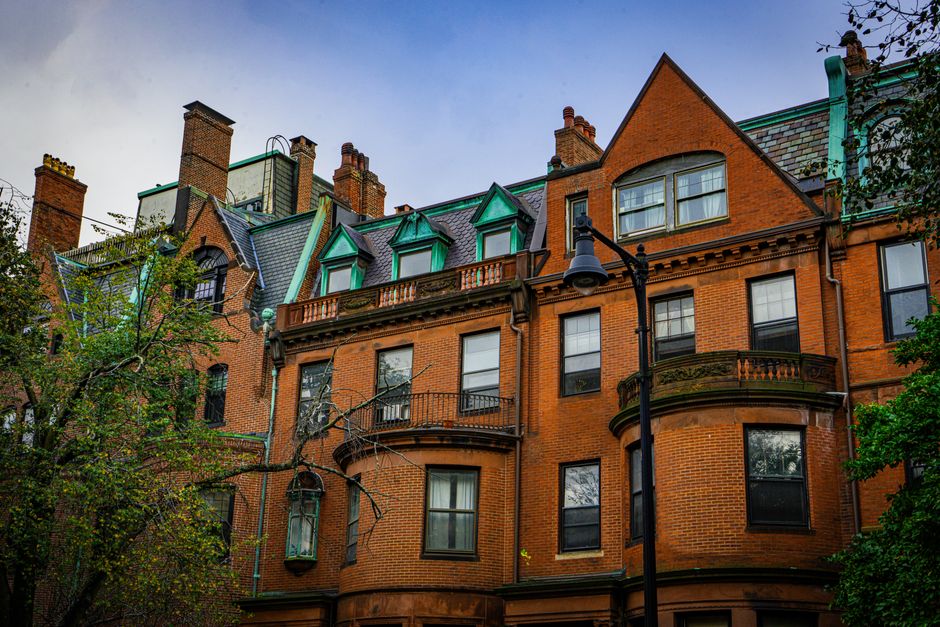
The numbers tell the story. According to recent city filings, residential units in the pipeline exceed 4,500, with construction values hovering near $3.2 billion. That's transformative. Yet it's also deeply complicated for a market where the median home price sits at $780,000 and neighborhoods like Beacon Hill command premiums that would make most Americans wince.
Take the Seaport, where the Fan Pier mixed-use complex continues expanding. The neighborhood has morphed from industrial waterfront to gleaming corporate address in barely a decade. New residential towers are adding density, but units routinely fetch $1.2 million and beyond. For service workers, teachers, and young families, the Seaport has already priced itself into inaccessibility.
Somerville and Cambridge offer different stories—ones with more demographic texture. The Brickbottom area, long a creative haven, is now attracting major residential projects that promise to capitalize on the neighborhood's arts reputation while introducing significant new housing stock. Early indicators suggest these developments will pull median prices upward, inevitable as it sounds. The question haunting city planners: can affordability requirements keep pace?
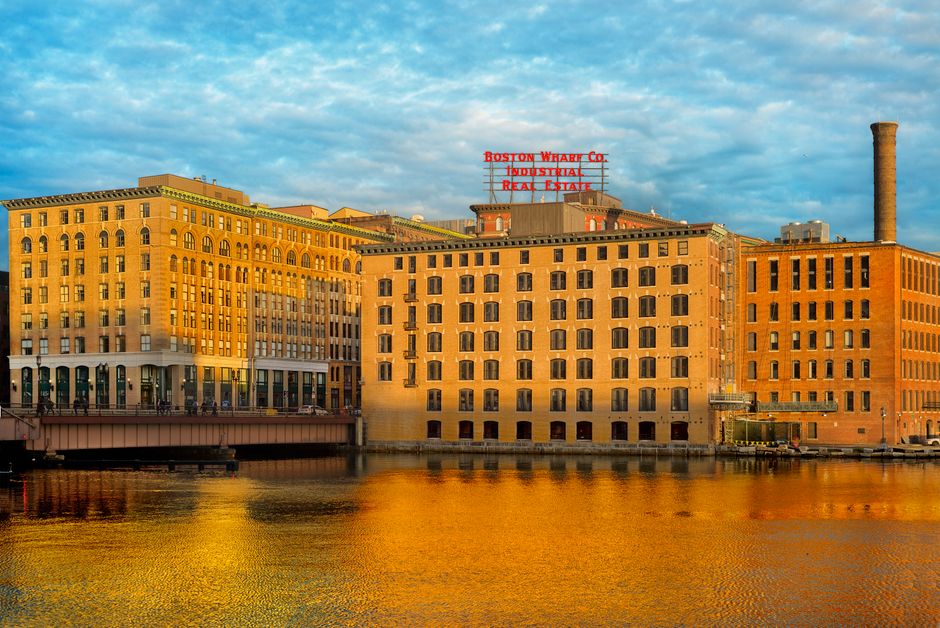
South Boston's ongoing transformation is perhaps most instructive. Projects along the Fort Point Channel and near the Convention Center have created a de facto neighborhood reset. The old industrial character persists in pockets, but new residential, office, and hospitality uses are fundamentally rewriting the economic profile. Property values have climbed 35 percent in five years.
University-driven development around MIT and Harvard continues reshaping Cambridge and Boston's northern corridor. Institutional expansion has always been a fact of life, but the scale now—with Harvard's Allston initiative and MIT's planned expansions—raises legitimate questions about community displacement and institutional accountability.
What distinguishes this moment isn't just volume. It's that developments are clustered in ways that create neighborhood-wide impact rather than isolated change. A single tower in the Seaport affects street retail, parking, walkability, and long-term character. When five projects cluster, the effects compound.
For buyers and renters, this pipeline should theoretically ease pressure. Increased supply typically moderates pricing. The reality, however, depends entirely on whether new units price toward accessibility or optimization. Boston's track record suggests the latter remains default. Until affordability requirements become binding commitments rather than aspirational language, development approvals remain a story of transformation for some—and displacement for others.
This article was compiled by AI and screened before publishing. See our editorial standards.
How does this story make you feel?
Spread the word
About this article
Published by The Daily Boston
Daily brief
Free, in your inbox before 7am. Weekdays.
More in Property