The Rent-Vesting Strategy Explained for This Market
As Boston's median home price hits $780,000, renters are turning to a new tactic to get on the property ladder
As Boston's median home price hits $780,000, renters are turning to a new tactic to get on the property ladder
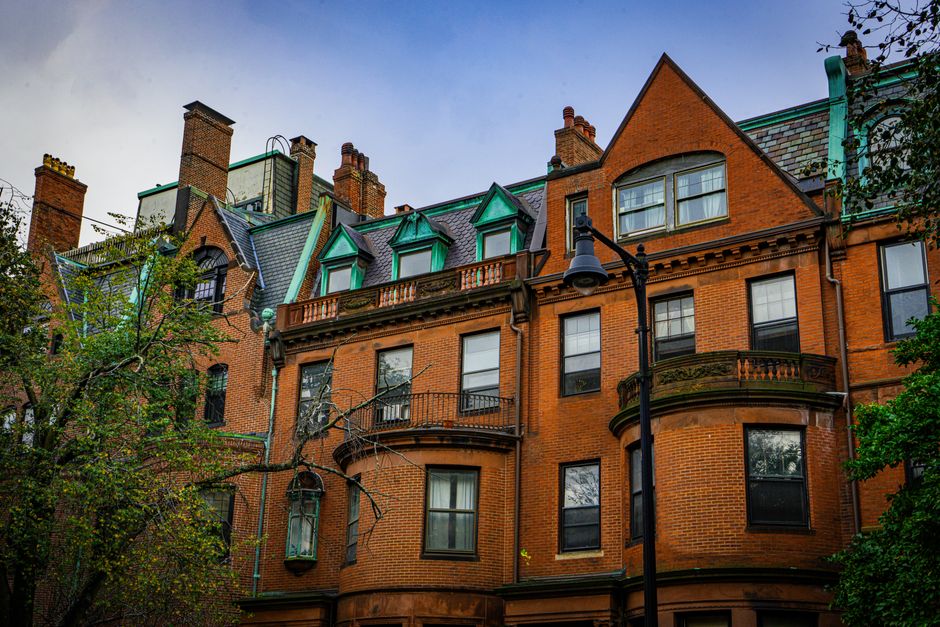
Boston's renters are facing a daunting reality: the median home price has soared to $780,000, making it seemingly impossible for many to become homeowners.
This matters now because the city's rental market is also feeling the strain, with prices increasing by 10% in the past year alone. As a result, renters are being forced to explore alternative strategies to get on the property ladder. One such approach is rent-vesting, a tactic that involves renting a property in a desirable area while investing in a property in a more affordable neighborhood.
In Boston, neighborhoods like Beacon Hill and Back Bay are notoriously expensive, with the average rent for a one-bedroom apartment exceeding $3,000 per month. However, areas like Somerville and Cambridge are experiencing significant growth, with new developments and renovations popping up along streets like Highland Avenue and Massachusetts Avenue. Organisations like the Boston Redevelopment Authority and the Cambridge Housing Authority are working to provide affordable housing options, but the demand still far outstrips the supply.
According to data from Zillow, the median home value in Boston has increased by 15% in the past two years, with the average price per square foot now standing at $742. In contrast, the median rent has increased by 10% in the same period, with the average renter paying $2,800 per month. As of June 2026, the average price of a one-bedroom apartment in South Boston is $2,500 per month, while a similar property in the North End can cost upwards of $3,500 per month.
So, what does this mean for renters looking to adopt the rent-vesting strategy? Essentially, it involves being willing to rent in a desirable area while investing in a property that may not be in the most sought-after neighborhood. For example, a renter might choose to rent a one-bedroom apartment in the trendy Seaport District for $3,000 per month while investing in a two-bedroom condo in the up-and-coming neighborhood of Dorchester for $400,000.
As the city's housing market continues to evolve, it's likely that we'll see more renters turning to the rent-vesting strategy. With the help of organisations like the Boston Home Center and the Massachusetts Housing Investment Corporation, renters can access resources and guidance to help them navigate the complex world of property investment. Whether you're a seasoned investor or a first-time buyer, understanding the rent-vesting strategy can be a crucial step in achieving your goal of homeownership in Boston.
How does this story make you feel?
Spread the word
About this article
Published by The Daily Boston
Daily brief
Free, in your inbox before 7am. Weekdays.
More in Property