Boston Sees 8% Quarterly Price Growth, Outpacing Last Year's Rates
New data shows the city's housing market is still on the rise, with some neighborhoods seeing significant increases in property values.
New data shows the city's housing market is still on the rise, with some neighborhoods seeing significant increases in property values.
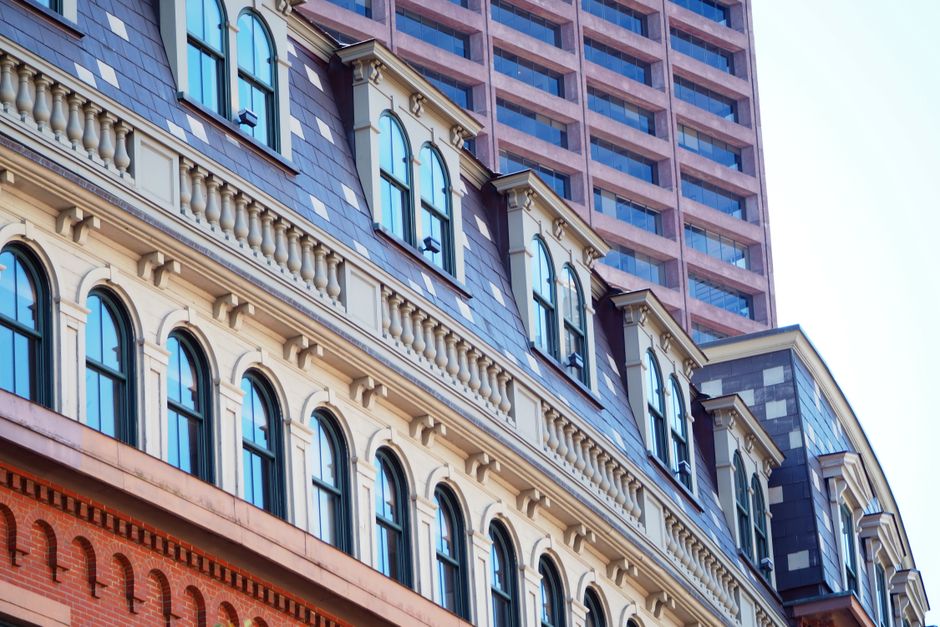
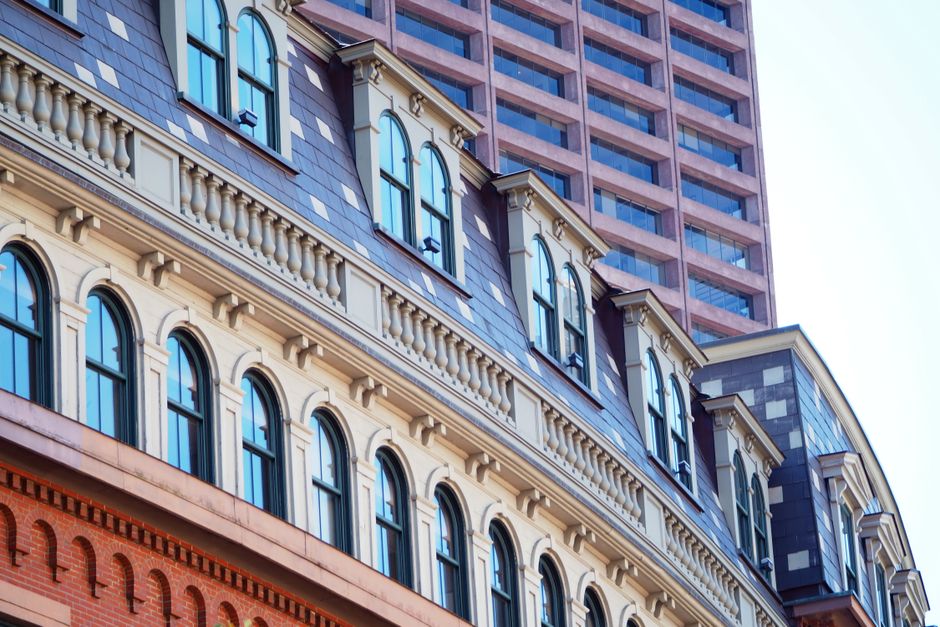
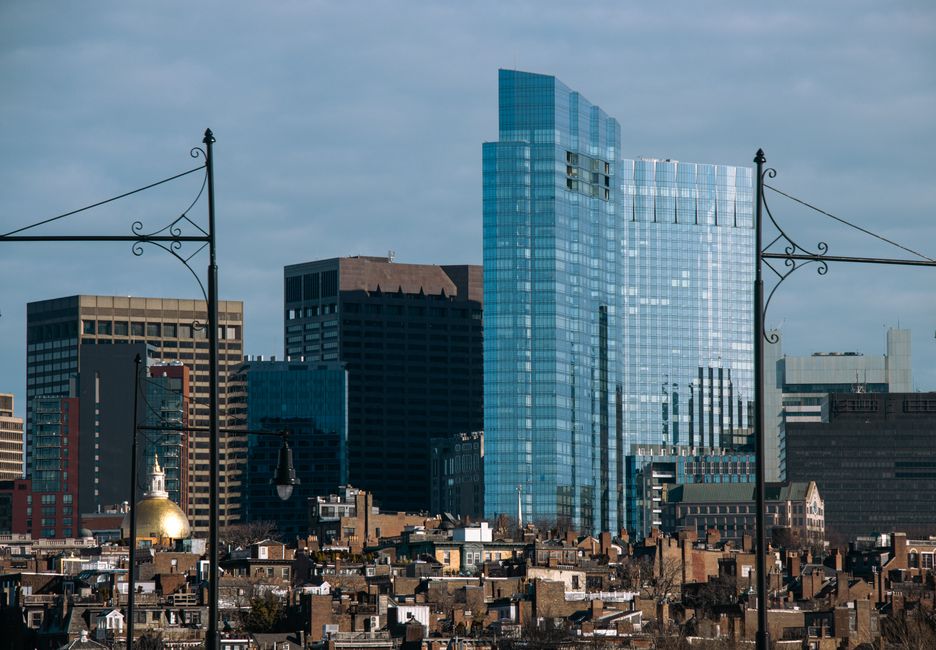
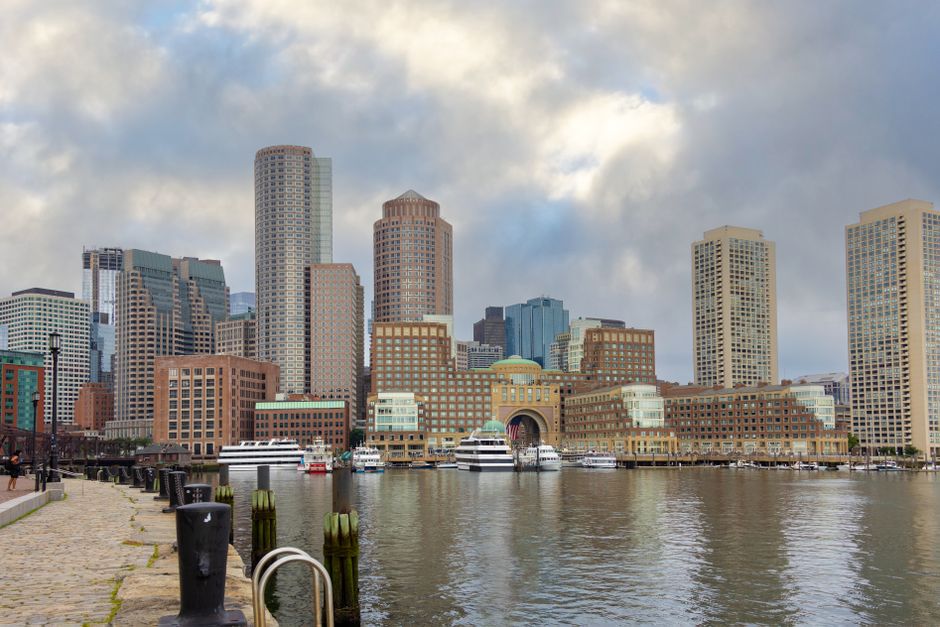
Boston's housing market has seen an 8% increase in quarterly price growth, surpassing the same time last year. This surge in prices is a significant indicator of the city's continued desirability and strong demand for housing.
The current state of the housing market matters now more than ever, as buyers and sellers alike are trying to navigate the complex and often unpredictable world of real estate. With the city's median home price sitting at $780,000, buyers are having to be strategic and savvy in their search for the perfect property. The ongoing transformation of neighborhoods like South Boston, coupled with the consistent demand driven by universities and institutions like Harvard and MIT, has created a unique and challenging environment for those looking to buy or sell.
In neighborhoods like Beacon Hill and the Back Bay, premium prices are the norm, with properties on streets like Commonwealth Avenue and Marlborough Street often fetching top dollar. Meanwhile, areas like Somerville and Cambridge are experiencing significant growth, driven in part by the presence of organizations like the Kendall Square Association and the Cambridge Chamber of Commerce. The city's housing market is also being shaped by programs like the Boston Planning & Development Agency's Neighborhood Housing Initiative, which aims to increase affordable housing options throughout the city.
According to data from the Greater Boston Real Estate Board, the average sales price for a single-family home in Boston has increased by 10% over the past year, with the average price now sitting at $920,000. Condominium prices have also seen a significant increase, with the average price rising by 12% to $640,000. These numbers are even more impressive when compared to the same time last year, when the average sales price for a single-family home was $830,000 and the average condominium price was $570,000. As of June 2026, the city's housing inventory is down by 15% compared to the same time last year, with the average property spending just 28 days on the market.
So what's behind this surge in prices? Experts point to a combination of factors, including the city's strong economy, low unemployment rates, and the ongoing demand for housing driven by the city's many universities and institutions. The limited supply of available housing is also playing a role, as buyers are often forced to compete for a limited number of properties. As the city continues to grow and evolve, it will be interesting to see how the housing market responds. For now, buyers and sellers would be wise to stay informed and up-to-date on the latest market trends and developments.
As the summer months approach, buyers and sellers alike would be well-advised to stay vigilant and be prepared to act quickly when the right opportunity arises. With the city's housing market showing no signs of slowing down, those looking to buy or sell would do well to work with a knowledgeable and experienced real estate agent who can help them navigate the complex and often unpredictable world of Boston real estate. Whether you're looking to buy a luxury condo in the Back Bay or a single-family home in Jamaica Plain, the key to success will be staying informed and being prepared to act when the time is right.
How does this story make you feel?
Spread the word
About this article
Published by The Daily Boston
Daily brief
Free, in your inbox before 7am. Weekdays.
More in Property