Belmont: Boston’s Blue-Chip Suburb That Still Offers Value
With Boston prices surging, Belmont stands out as a prestige neighborhood where buyers can still find relative value—if they move fast.
With Boston prices surging, Belmont stands out as a prestige neighborhood where buyers can still find relative value—if they move fast.
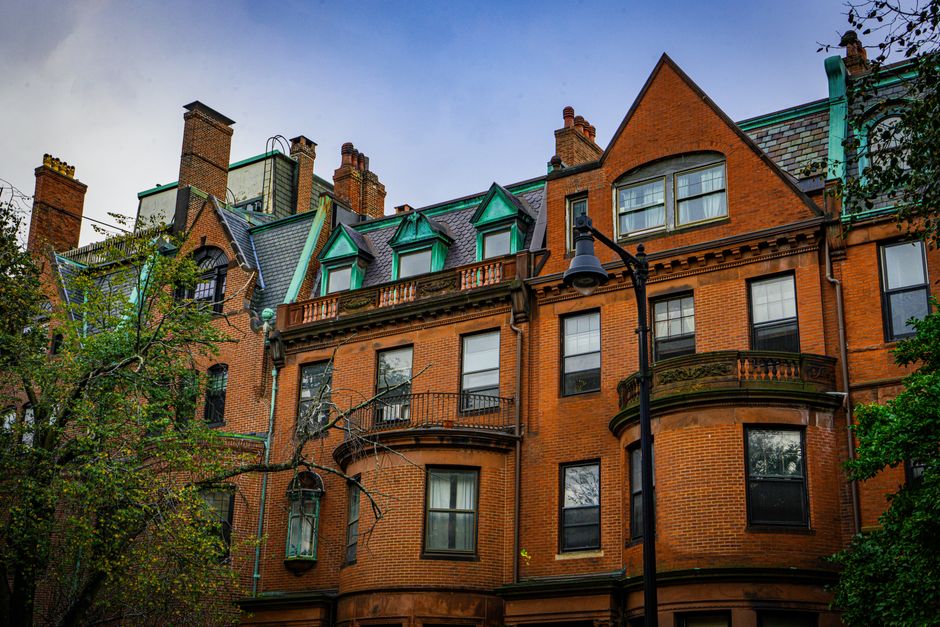
This summer, Belmont has quietly emerged as a go-to suburb for homebuyers seeking both cachet and a measure of affordability within Greater Boston’s overheated market. While the city’s median home price has soared to $780,000, Belmont’s leafy streets and renowned school district still present opportunities for buyers priced out of Cambridge, Newton, or Brookline.
The pressure is on. Record-low listing volumes in central Boston and surging prices in Somerville and Cambridge are forcing many families and professionals to widen their search. According to the Massachusetts Association of Realtors, the number of new listings in Suffolk County dropped 12% in the first half of 2026 compared to last year. Cambridge’s median sale price leaped to $1.07 million at the close of June, up nearly 8% year-on-year. This has sent buyers scouting further afield, and Belmont—with its direct commuter rail connection at Belmont Center and access to Route 2—has landed firmly in their sights.
Unlike pricier counterparts like Brookline, where single-family homes routinely crest $1.5 million even in the outer reaches, Belmont presents a nuanced market. Along Common Street and the stately Chenery neighborhood, colonials and Victorians fetch healthy premiums, but it’s possible to find solid three-bedroom houses near Payson Park or within the Butler School district for under $950,000. The Roger Wellington School, long seen as a draw for families, has again been rated among the top elementary schools statewide—a perennial driver for upwardly mobile buyers.
Local institutions anchor the suburb’s identity. Belmont Hill School continues to attract faculty and international academics, while events at the Beech Street Center fill out the neighborhood calendar, fostering a sense of connection rare in more transient city districts. Belmont Center’s independent retailers and coffee shops—such as Quebrada Baking Co. and the recently revamped Belmont Books—underscore the town’s stable, community-driven vibe.
Latest MLS data puts Belmont’s median sale price for single-family homes at $1.06 million in June 2026—a 6% jump from the same time last year, but still shy of pricier Newton ($1.32 million). Condominiums are rarer, but recent sales near Pleasant Street and on Trapelo Road have closed between $575,000 and $725,000 for renovated two-bedroom units. Inventory remains tight: just 23 homes were available county-wide across all price bands as of July 1, according to Redfin. Notably, average time on market for Belmont properties shrank to only 19 days, suggesting serious buyers need to act decisively.
Lending programs are playing a role as well. The Massachusetts Housing Partnership has reported a rise in first-time buyer inquiries in Belmont, spurred by targeted outreach through the "ONE Mortgage" program and new city partnerships to guide prospective homeowners through the process.
Those considering a purchase in Belmont this summer should know: competition is strong but not as frenzied as in Somerville, where open houses routinely field 15 or more offers. Agents with Coldwell Banker and Lamacchia Realty say off-market opportunities and pocket listings are increasingly common, particularly around Cushing Square and the Underwood Pool corridor. For buyers who value good schools, quick city access, and a sense of tradition without the sheer sticker shock of the city core, Belmont’s window for relative value may not last long. Savvy shoppers would do well to watch the listings—properties that check the right boxes don’t linger on the market for long.
How does this story make you feel?
Spread the word
About this article
Published by The Daily Boston
Daily brief
Free, in your inbox before 7am. Weekdays.
More in Property