Boston’s Real Estate Market: Is 2026 Anything Like the 2021 Boom?
Four years after the COVID-era buying frenzy, Boston’s property landscape looks both familiar and transformed—for buyers, sellers, and renters alike.
Four years after the COVID-era buying frenzy, Boston’s property landscape looks both familiar and transformed—for buyers, sellers, and renters alike.
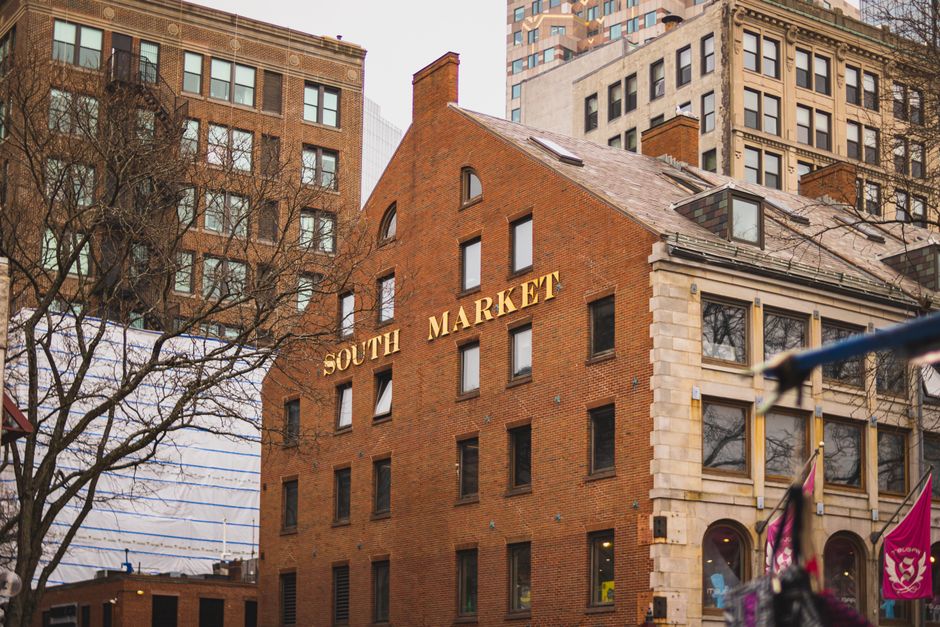
The latest numbers from Warren Group show Boston’s median home sale price holding at $780,000 this June—up 4% from a year ago, but nearly flat compared to the last quarter. That’s a far cry from the breakneck price escalation and frenzied open houses that defined the 2021 boom, when buyers regularly offered six figures over asking in neighborhoods like Jamaica Plain and South Boston.
Why does this leveling off matter? The global turbulence—war in Ukraine, heightened energy prices, and surging insurance costs after extreme weather elsewhere—has left many Greater Boston residents wondering if the city’s property market would retrace its post-pandemic highs. Four summers ago, local bidding wars made headlines and even condos in Allston barely stayed listed for 48 hours. Now, both city and suburban markets feel like they’re catching their breath.
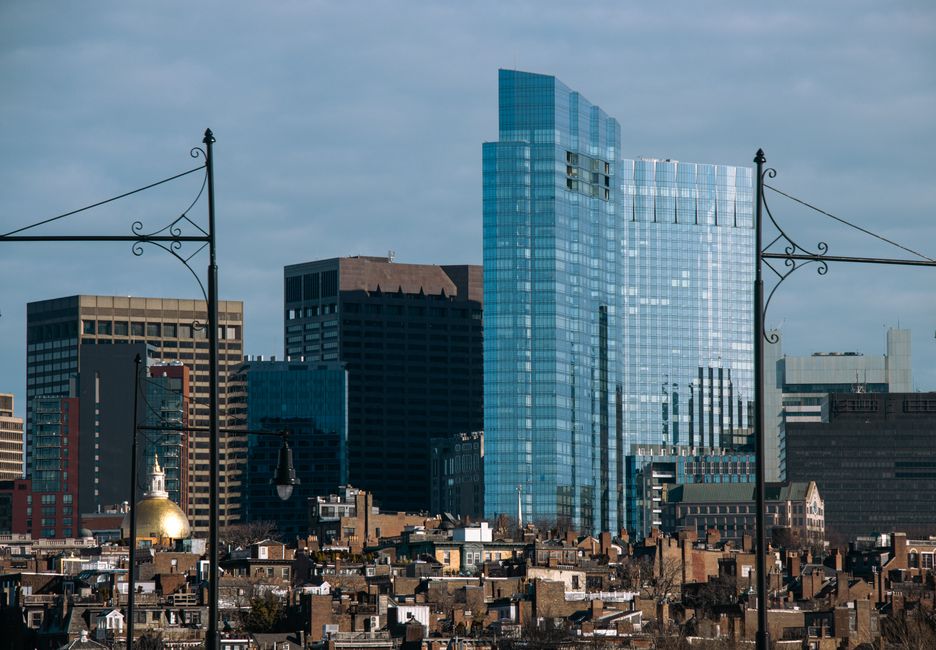
Walk down Marlborough Street in Back Bay these days and the mood is different from the summer of 2021. Agents like Gibson Sotheby’s report more houses staying on the market for weeks, not days, even in historic brownstone corridors. Meanwhile, developers in Somerville’s Union Square—where the new Green Line Extension has driven a steady flow of tech buyers—say open house crowds have thinned. "The buyers are still out there, especially those tied to MIT and Kendall Square biotech, but urgency is lower," said one agent from a regional brokerage.
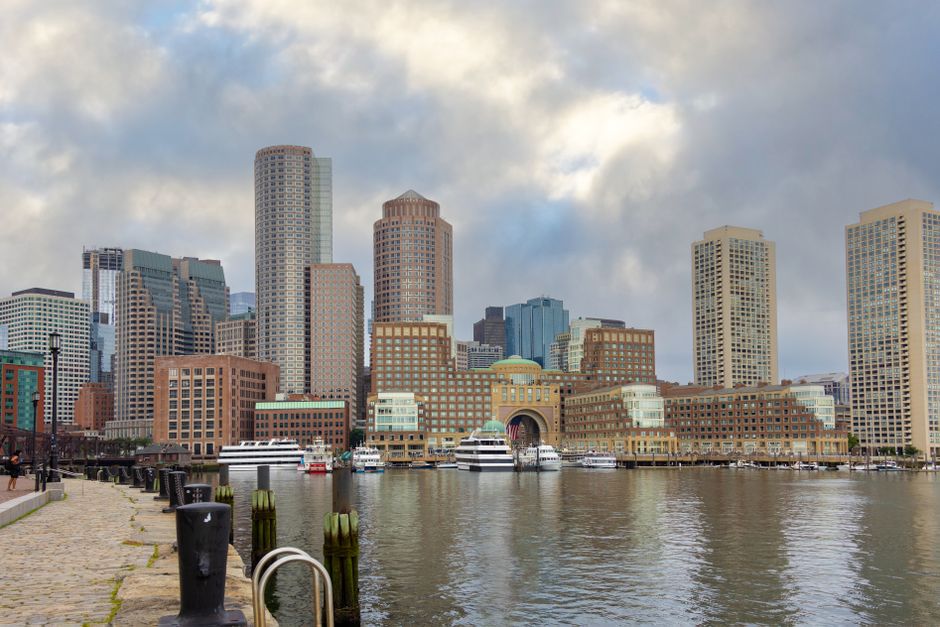
The once white-hot South Boston condo market typifies the shift. At 150 Dorchester Avenue, a 1,200-square-foot two-bedroom fetched $1.14 million in spring 2021 after eight offers. Last month, a similar unit lingered for five weeks and closed for $1.13 million, with one price cut along the way. Condo inventory across Suffolk County is up 17% year-on-year as measured by MLS PIN, giving buyers more breathing room and nudging sellers into negotiations rather than outright auctions.
During 2021, Boston saw median prices jump nearly 12% in a year while average time-on-market in Cambridge dipped under nine days, according to Redfin. In contrast, 2026 figures from the Greater Boston Association of Realtors show average city listings taking 30 days to sell. Analysts point to higher mortgage rates—averaging 6.5% this season, double the 2021 lows—as a key brake on runaway growth.
Even so, core neighborhoods have continued to command a premium. Beacon Hill’s median sale price crept past $1.7 million, and bidding wars have shifted to high-end new construction in Fenway and Seaport, with young professionals eager for amenities and walkability. Yet overall, Boston’s brief stretch of soaring valuations has given way to stability and slow adjustment, not a bust. Housing advocacy group City Life/Vida Urbana notes rental demand near Boston University and Northeastern remains intense, keeping pressure on entry-level buyers and the region’s much-hyped inclusionary zoning program.
What comes next for Boston buyers and sellers? Most experts predict a "more normal" summer and fall, with steady activity but none of 2021’s wild surges. For those eyeing a move, patience and preparation are again the watchwords. Local lenders like Cambridge Savings Bank are urging pre-approved buyers to shop carefully, as downtown’s urgency cools and a more traditional seasonal rhythm reemerges. Whether you’re in Somerville, Charlestown, or the Back Bay, this market’s new reality looks nothing like the stampede of four years ago—and for many in Boston, that’s a relief.
How does this story make you feel?
Spread the word
About this article
Published by The Daily Boston
Daily brief
Free, in your inbox before 7am. Weekdays.
More in Property