The world, explained for Australia.
The World
Plastic production has tripled in 40 years. Australia imports tonnes of waste it can't process, while the world struggles to stop the leak into oceans and landfill.
By The Daily World · 1 July 2026
The World
China dominates refining, but Australia holds the ore. Understanding this bottleneck explains why the world's clean energy transition depends on geopolitical stability thousands of kilometres away.
By The Daily World · 1 July 2026
The World
Nickel is essential for the world's battery revolution, but the market is volatile, concentrated, and increasingly shaped by geopolitics.
By The Daily World · 1 July 2026
The World
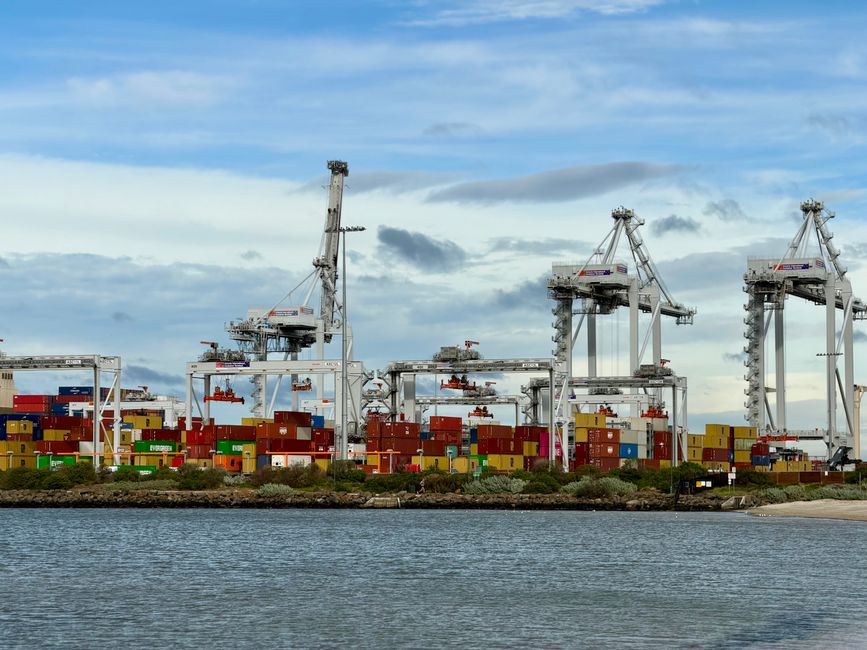
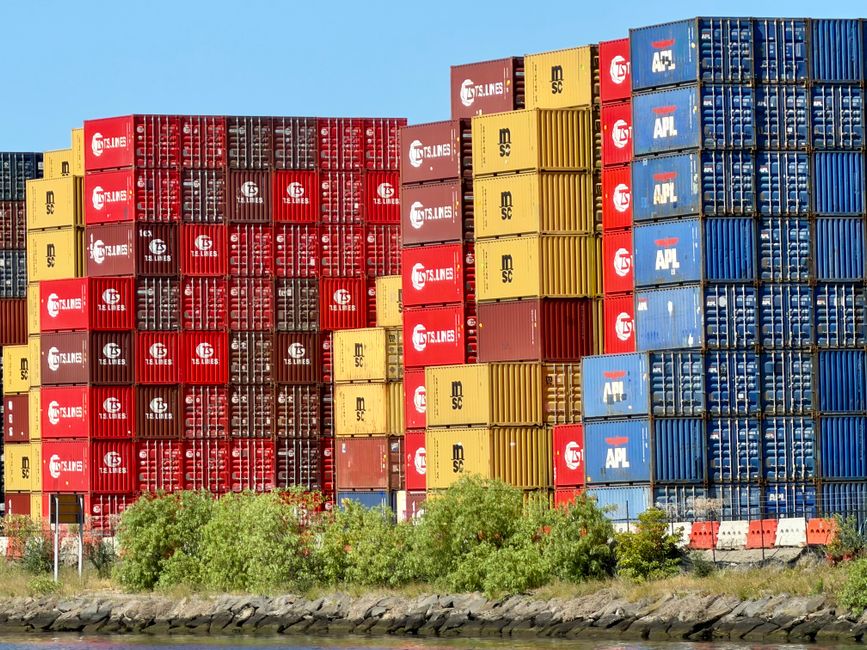
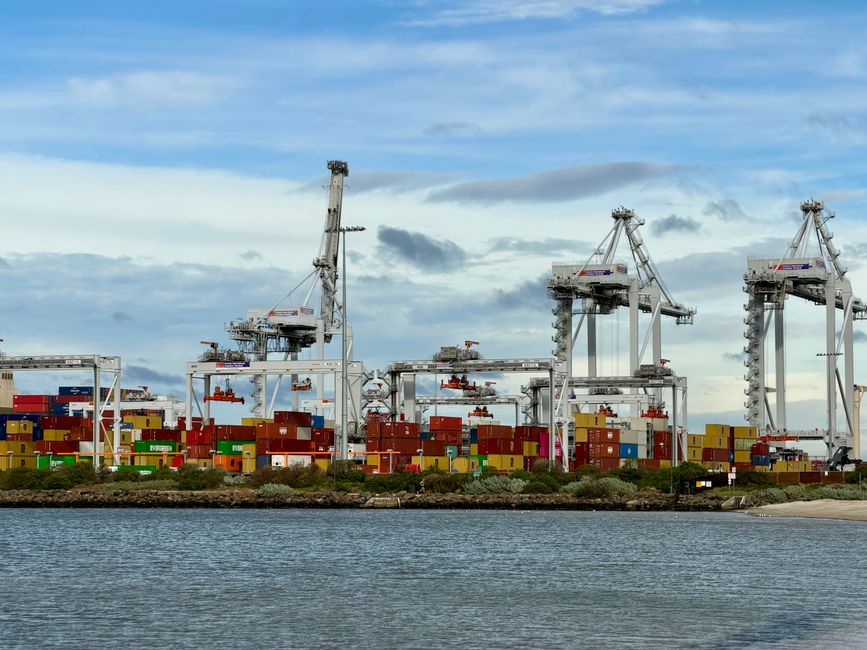
Twenty-foot boxes move 90 per cent of Australia's trade. When the global container network jams, everything from your groceries to your car slows down.
By The Daily World · 1 July 2026
The World
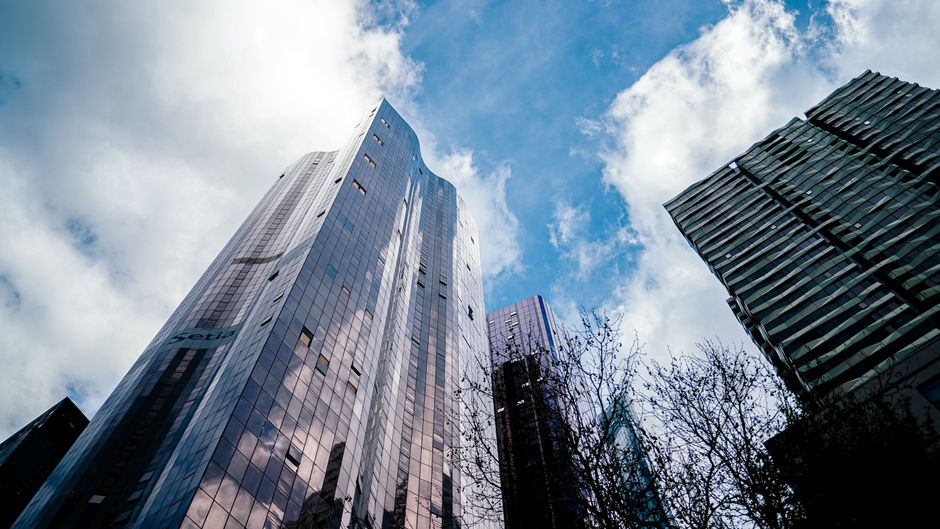
From Southeast Asian plantations to your car, natural rubber moves through a supply chain shaped by climate, currency swings, and synthetic competition. Understanding it matters for Australian costs and supply security.
By The Daily World · 1 July 2026
The World
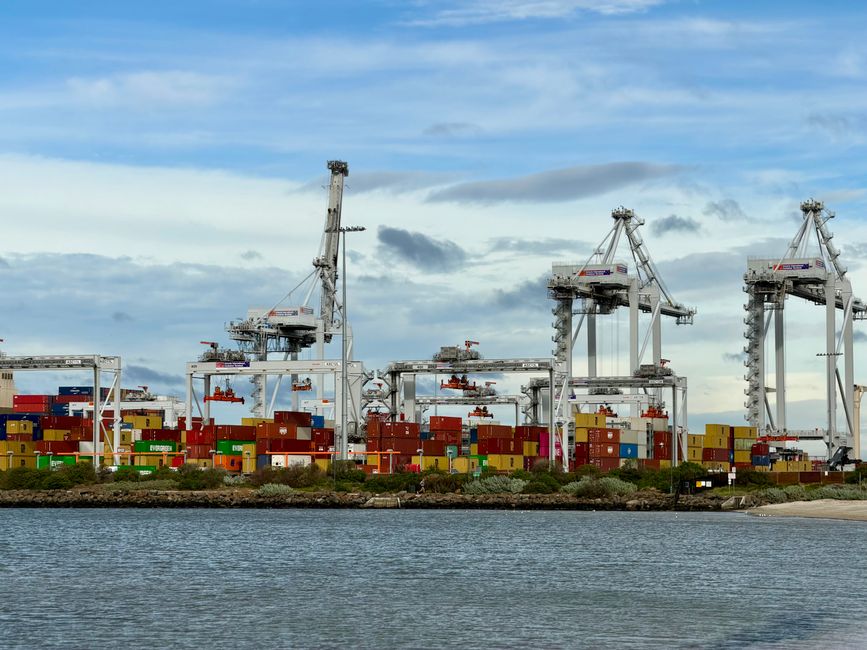
Potatoes feed more people than any other crop on Earth. Understanding how they move from farm to plate reveals why global harvests, trade routes, and disease matter to Australian dinner tables.
By The Daily World · 30 June 2026
The World
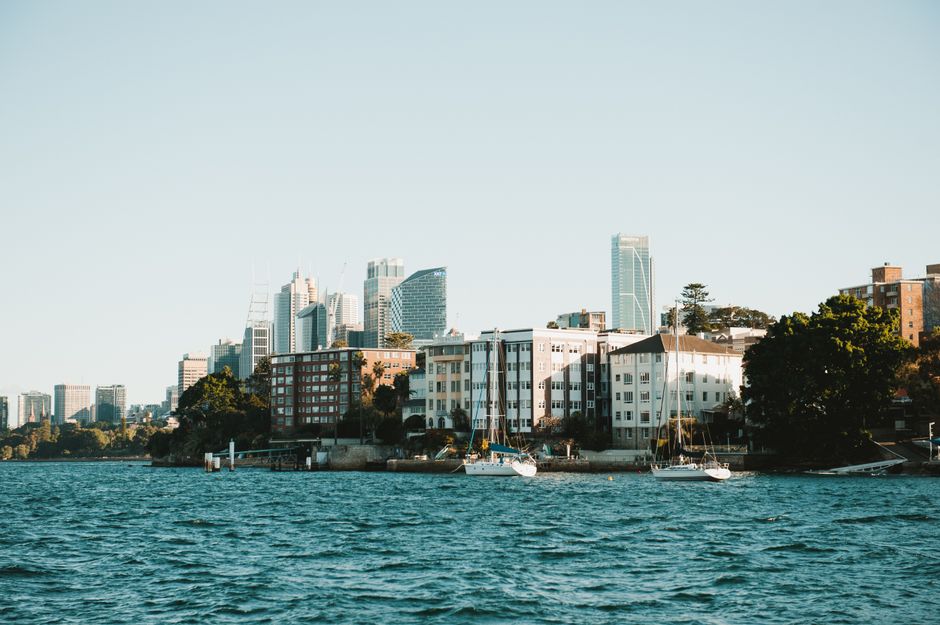
Most of the world's solar panels start with polysilicon made in one region. Understanding this supply chain explains Australia's renewable energy costs and its geopolitical leverage.
By The Daily World · 30 June 2026
The World
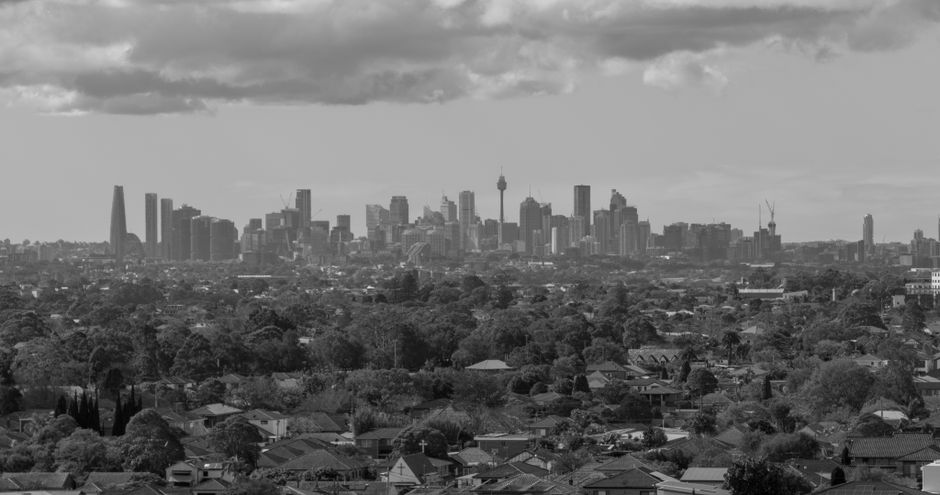
Trees connect Australian landholders to distant demand, shape forest policy, and tangle conservation with commerce across the Indo-Pacific.
By The Daily World · 30 June 2026
The World
Palm oil is in half the products on supermarket shelves. Australia imports almost none of it directly, yet our food prices and environmental choices are shaped by distant plantations and global demand.
By The Daily World · 30 June 2026
The World
Microfinance institutions lend small sums to the world's poorest people, unlocking economic opportunity where traditional banks won't. It's a model Australia backs, but challenges remain.
By The Daily World · 30 June 2026

The World
Diamonds are rare, valuable, and tightly controlled. Understanding who produces them, who buys them, and how the industry stays united tells you how global commodity markets really work.
By The Daily World · 30 June 2026

The World
Cobalt is the metal that powers the world's electric vehicles and renewable energy storage. Australia has little of it, and that's a problem.
By The Daily World · 30 June 2026
The World
Australia is one of the world's largest exporters of beef and lamb. Understanding how meat moves from farm to table across borders reveals why global food security depends on a handful of processors.
By The Daily World · 30 June 2026
The World
Wine is one of the world's most traded beverages, shaped by geography, regulation, and centuries of tradition. Australia has become a major player, but faces structural disadvantages that no amount of quality can fully overcome.
By The Daily World · 30 June 2026
The World
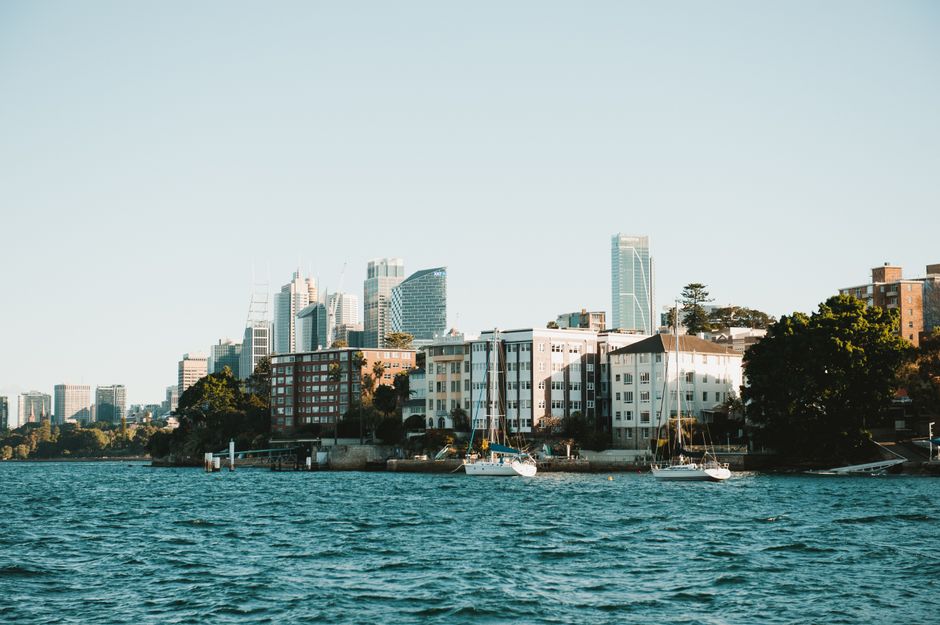
Beneath our feet lies a vast hidden resource shared across borders. Understanding aquifers helps explain water scarcity, food security, and Australia's role in a thirsty world.
By The Daily World · 30 June 2026
The World
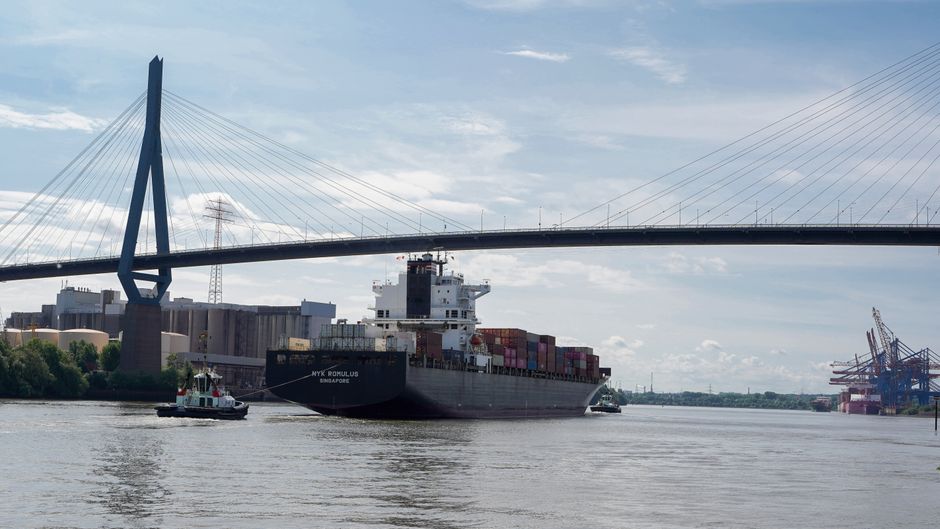
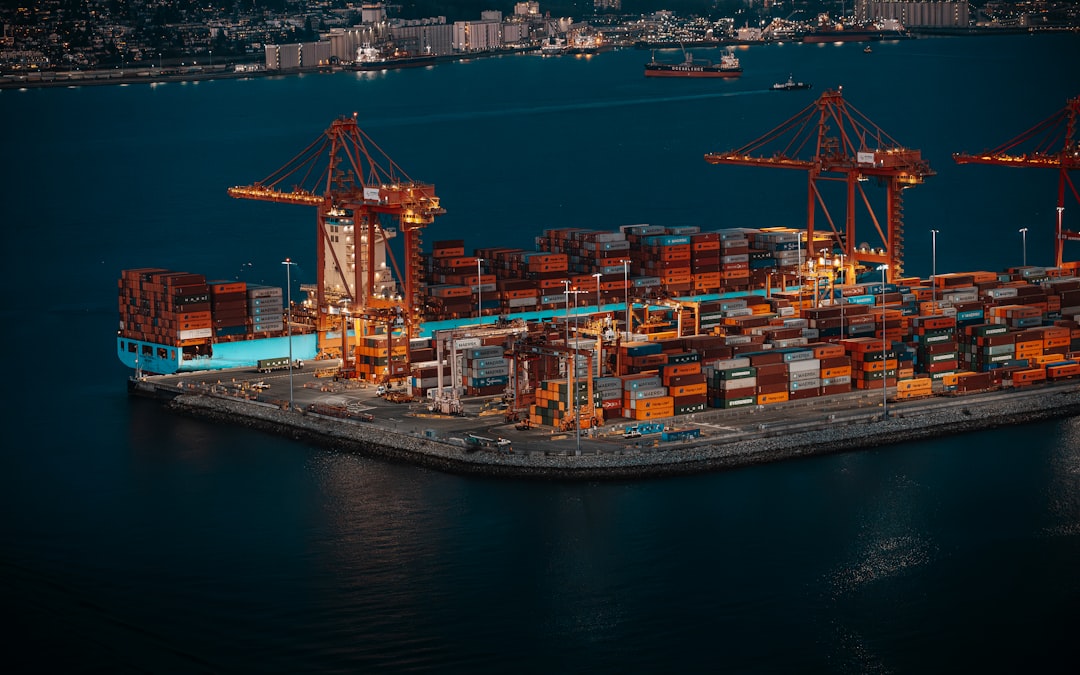
From container ships to bulk carriers, the forces that move goods across oceans ripple into Australian supermarkets, building sites and car yards. Here's how global freight markets work.
By The Daily World · 30 June 2026
The World
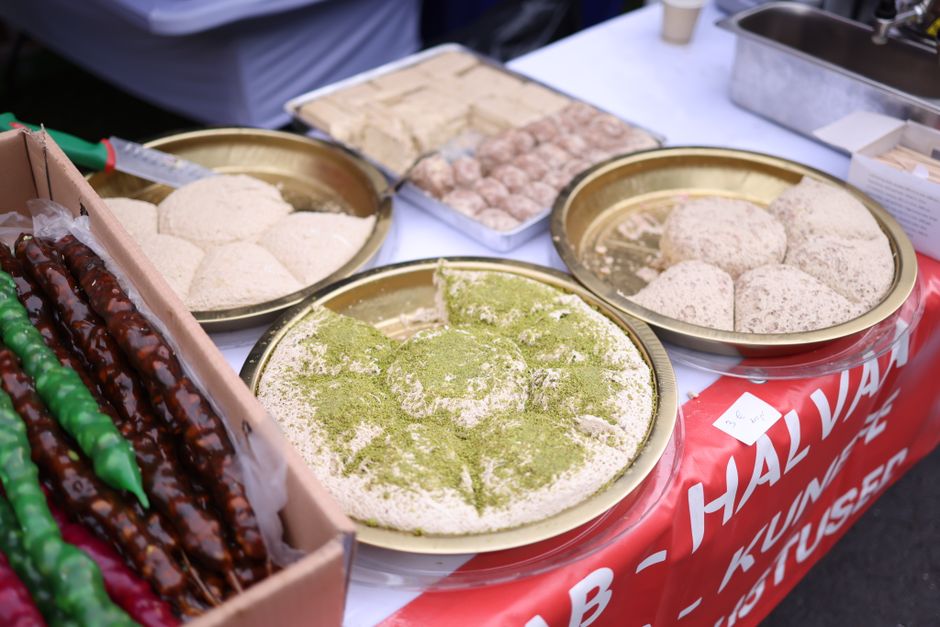
Vanilla is the world's second-most expensive spice. Most of it comes from Madagascar, a single point of failure for global supply. Understanding this chain reveals how fragile food security really is.
By The Daily World · 30 June 2026
The World
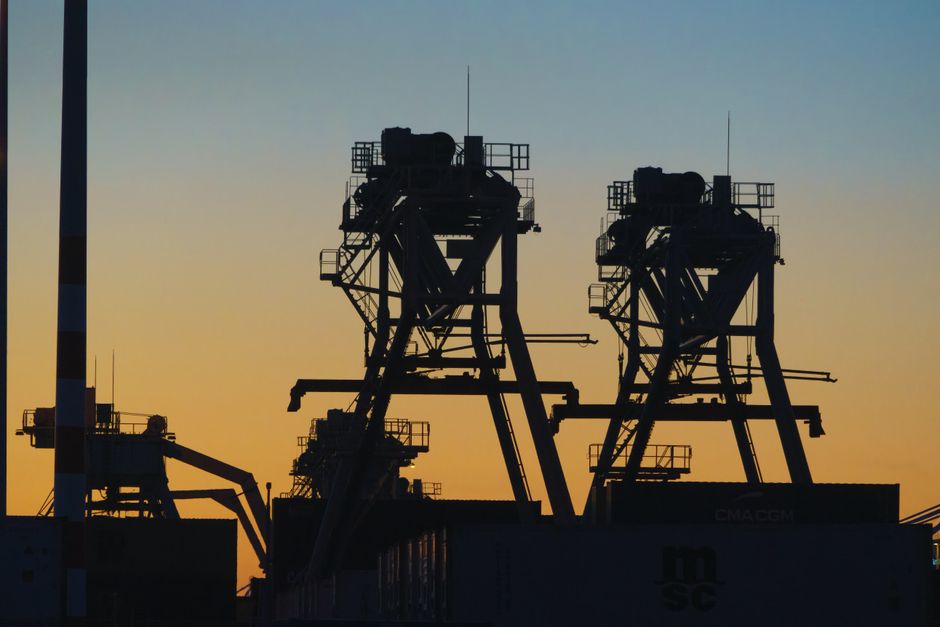
Steel is the backbone of modern civilisation. Australia's iron ore dominates global supply, but the industry is far more complex than mines and mills.
By The Daily World · 30 June 2026
The World
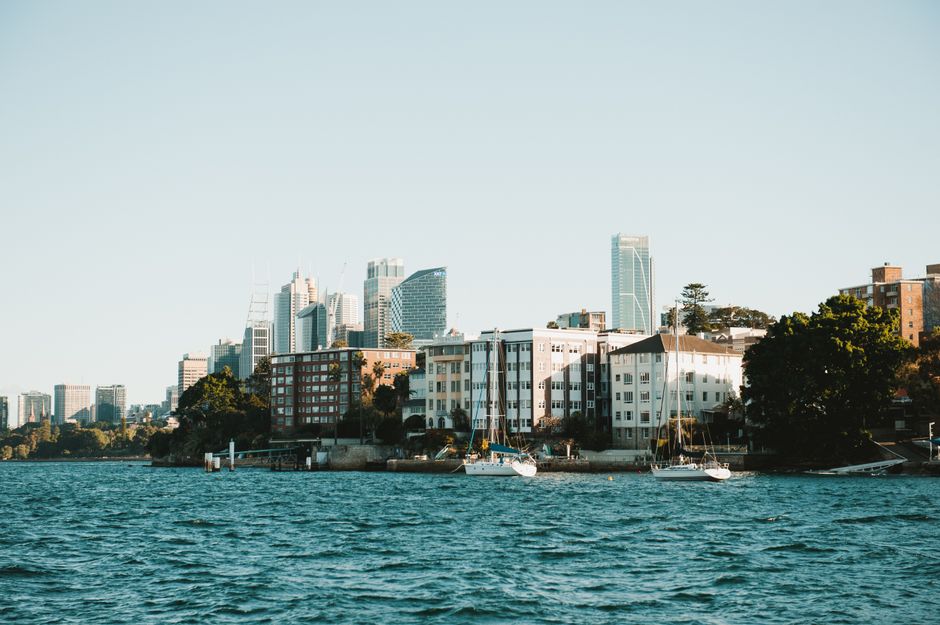
Potash is a hidden pillar of global agriculture. Australia grows food for 40 million people but relies on a handful of countries to keep soil fertile.
By The Daily World · 30 June 2026
The World
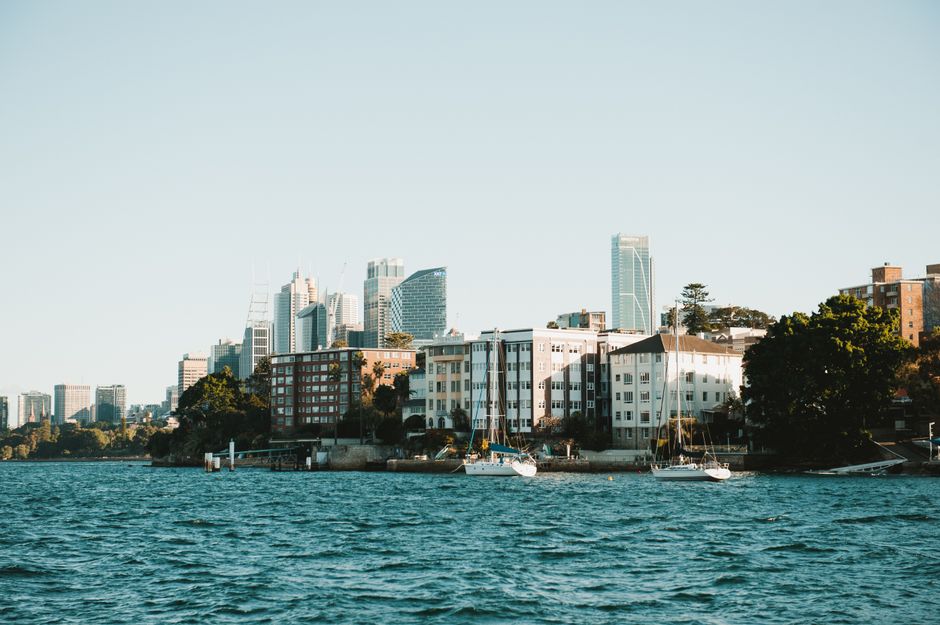
Australia is the world's largest exporter of liquefied natural gas. Understanding how that market operates reveals why global energy security depends on a handful of nations and a complex web of long-term contracts.
By The Daily World · 30 June 2026
The World
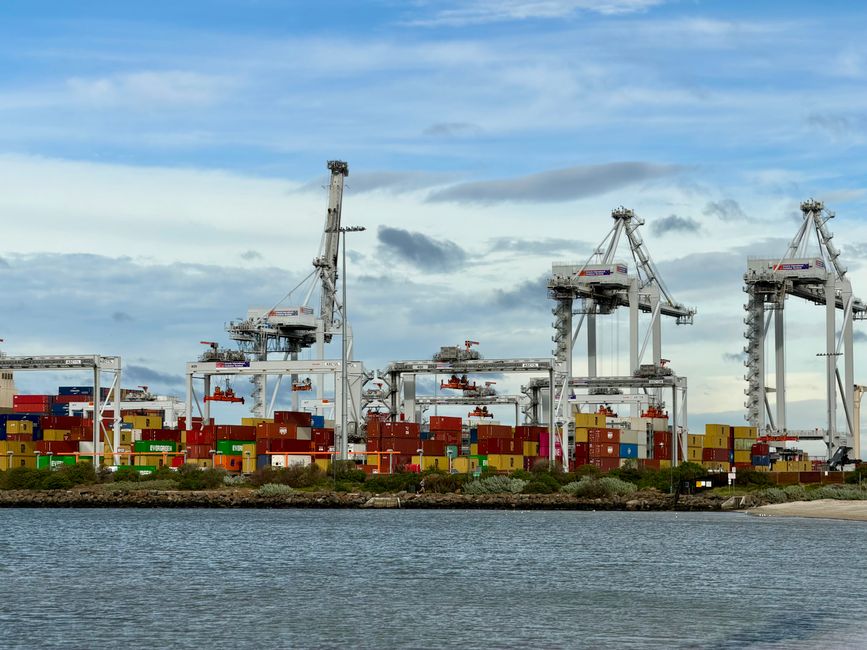
From bean to cup, coffee travels through a complex web of production, trade and politics. Australia imports nearly all its coffee, making it vulnerable to climate shocks and market swings thousands of kilometres away.
By The Daily World · 30 June 2026
The World
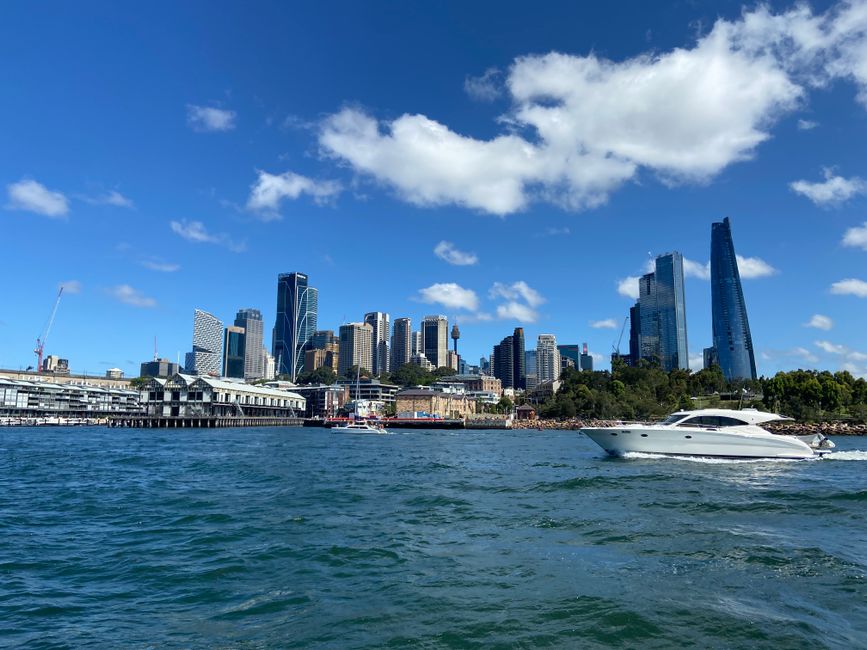
Nuclear power is surging as nations chase carbon-free energy. Australia holds 30% of the world's uranium but exports almost none of it. Here's the economics and geopolitics of the fuel that powers reactors across the planet.
By The Daily World · 30 June 2026
The World
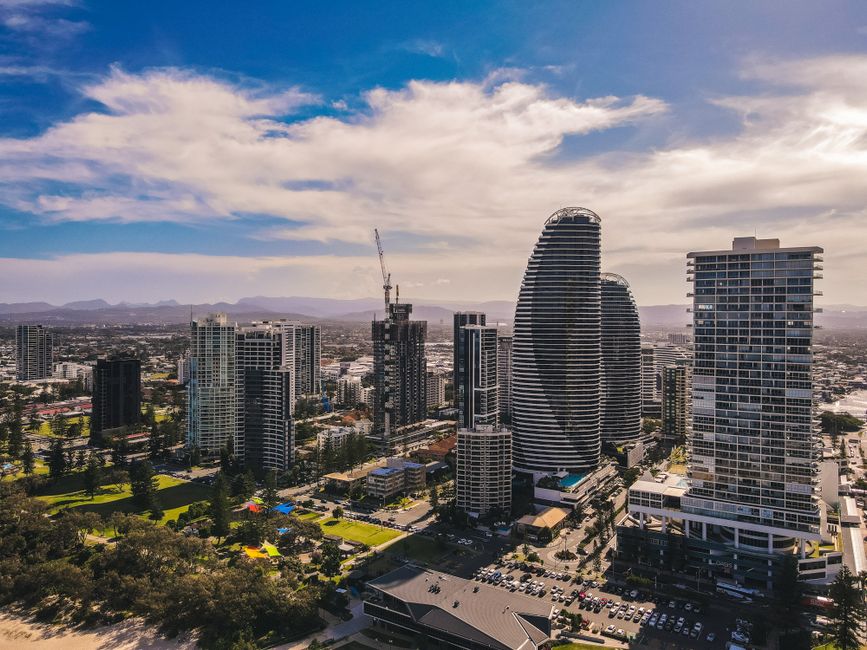
Cotton is the world's most traded natural fibre, worth billions annually. Australia is a major player, but prices swing on harvests continents away and the market faces pressure from synthetics and sustainability demands.
By The Daily World · 30 June 2026
The World
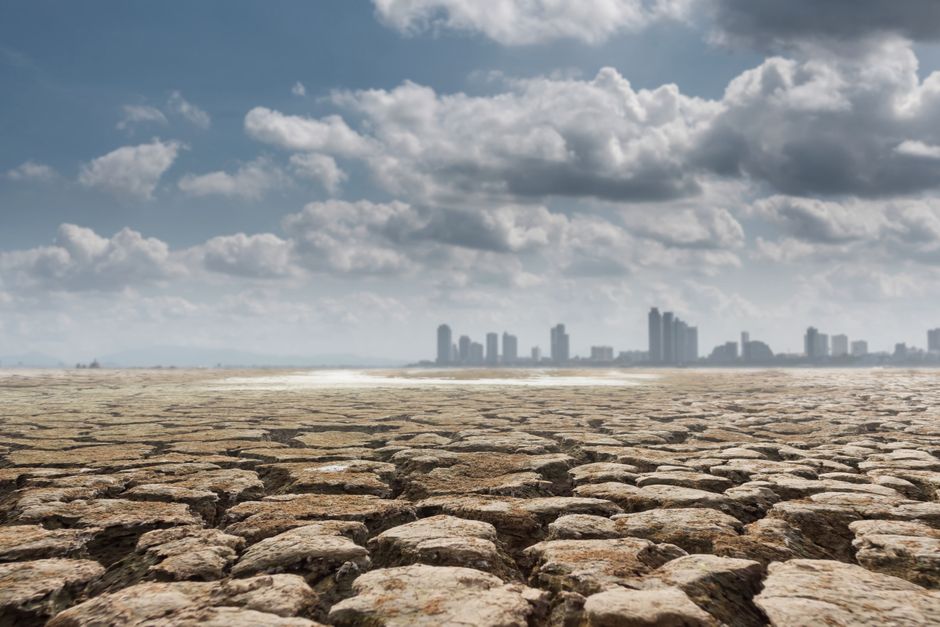
Phosphorus is essential to feed the world, but unlike nitrogen it cannot be made from air. Australia relies on finite rock deposits thousands of kilometres away.
By The Daily World · 30 June 2026