Boston's Seaport District transforms with $2.8B mixed-use mega-project approved
City planners greenlight ambitious waterfront redevelopment that will add 1,200 residential units and 400,000 sq ft of office space to the booming precinct.
City planners greenlight ambitious waterfront redevelopment that will add 1,200 residential units and 400,000 sq ft of office space to the booming precinct.
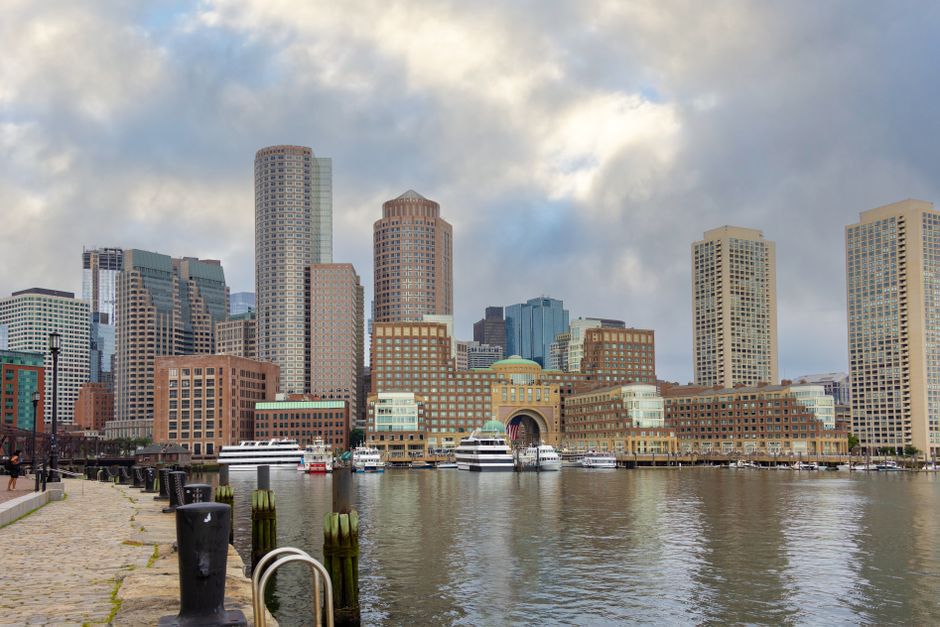
Boston's Seaport District has received a major planning approval that promises to reshape one of the city's most dynamic neighbourhoods. The Boston Planning & Development Agency has greenlit a $2.8 billion mixed-use development spanning four city blocks between Atlantic Avenue and the Harborwalk, representing the largest single project approved in the precinct since 2015.
The development, anchored by two tower designs from internationally acclaimed architects, will deliver 1,200 residential apartments, 400,000 square feet of office space, and 50,000 square feet of ground-floor retail and hospitality venues. Importantly, the project commits to 15 per cent affordable housing, addressing growing concerns about accessibility in a precinct where median apartment prices have climbed 28 per cent over the past three years to $625,000.
"This approval signals confidence in Boston's recovery and growth trajectory," says Margaret Chen, senior property analyst at Boston Realty Insights. "We're seeing investors and developers betting heavily on continued demand, particularly in walkable, transit-rich precincts like the Seaport."
The project's timing coincides with broader momentum across Boston's neighbourhoods. The Fort Point Channel area has seen particularly strong activity, with three new residential projects breaking ground this quarter. Meanwhile, the South End—traditionally Boston's most expensive precinct—continues commanding median prices of $850,000, though growth has moderated from previous years as buyers assess interest rate impacts.
Infrastructure improvements will accompany the development, including a new public plaza, enhanced pedestrian pathways, and upgraded utilities to support the increased density. The developer has also committed $15 million toward public transit improvements, addressing ongoing congestion concerns on the Silver Line.
Local residential property values reflect growing investor appetite. Neighbouring South Boston Waterfront properties have appreciated 19 per cent annually over the past 18 months, with units now averaging $565,000. The Seaport itself has seen median prices reach $595,000, though significant variation exists depending on proximity to the Harborwalk.
Construction is scheduled to commence in late 2024, with phased openings beginning in 2027. Early leasing for commercial space has already attracted interest from technology and professional services firms seeking premium waterfront locations.
The approval reflects Boston's broader planning confidence despite recent national property market headwinds. City officials remain focused on delivering necessary infrastructure alongside residential growth—a lesson from previous development cycles.
This article was compiled by AI and screened before publishing. See our editorial standards.
How does this story make you feel?
Spread the word
About this article
Published by The Daily Boston
Daily brief
Free, in your inbox before 7am. Weekdays.
More in Property