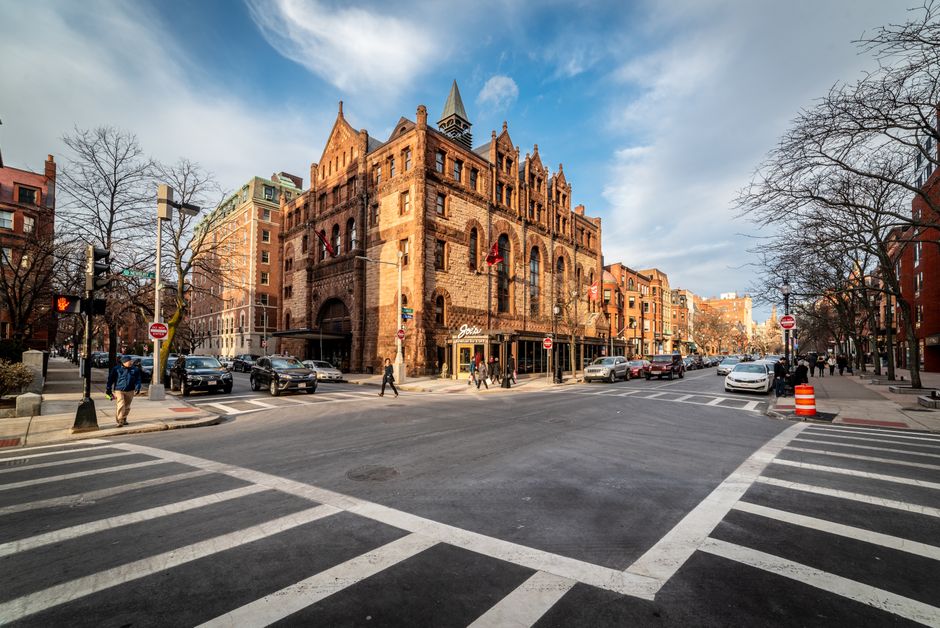
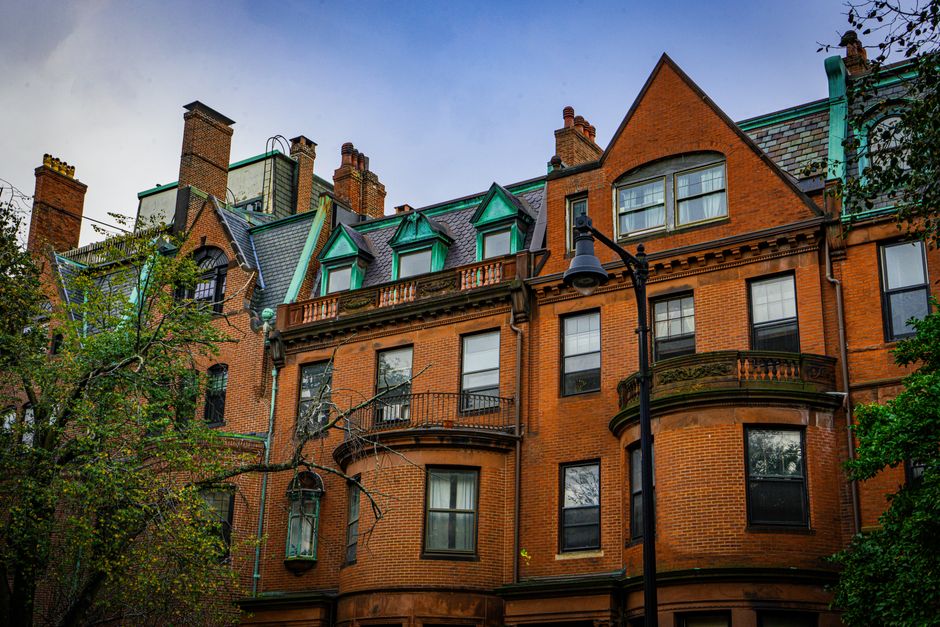
Five years ago, Somerville was Boston's best-kept secret. Today, it's becoming impossible to keep quiet about.
The Middlesex County suburb, long overshadowed by its wealthier neighbour Cambridge, has emerged as one of New England's most compelling property investment opportunities. Median home prices have climbed 34% since 2019, with the typical single-family home now fetching $795,000—a figure that would have seemed unthinkable a decade ago when three-bedroom Victorians regularly sold for under $400,000.
What's driving the transformation? Part of it is simple geography. As Cambridge and Boston proper have become increasingly unaffordable for middle-income buyers and young professionals, attention has shifted northward along the Red Line. Young families are discovering Somerville's pedestrian-friendly streets, independent cafes, and surprisingly sophisticated dining scene. The Union Square precinct has undergone a particularly dramatic revival, with artisan bakeries, craft breweries, and design studios now occupying former factory spaces.
But the real catalyst is infrastructure. The Green Line Extension, which officially opened in November 2022, fundamentally altered Somerville's accessibility. Properties within a 10-minute walk of the new stations—particularly around Ball Square and Lechmere—have seen appreciation rates that would make traditional Boston neighbourhoods blush. A two-bedroom condo near Ball Square that sold for $480,000 in 2020 would command roughly $670,000 today.
Developers have noticed. Major projects are underway across the suburb, from the mixed-use Assembly Row expansion to significant residential infill along Highland Avenue and Broadway. This construction boom has triggered some resident concern about character loss, yet it's also driving broader neighbourhood improvements—new parks, improved pedestrian infrastructure, and expanded retail options.
The investment case extends beyond owner-occupiers. Rental yields remain attractive, with two-bedroom apartments consistently achieving $2,400 to $2,800 monthly returns. This has attracted institutional investors and savvy property portfolios seeking Boston-area exposure without the premium Cambridge premiums.
Not everything is perfect. Parking remains contentious, property tax rates exceed Boston's, and the neighbourhood's rapid evolution has created affordability concerns for long-term residents. Yet for investors with a medium-to-long-term horizon, Somerville represents a rare combination: a genuinely vibrant community with measurable infrastructure improvements, still trading at a meaningful discount to comparable Boston neighbourhoods.
The question is no longer whether Somerville is worth considering—it's whether buyers can find their chosen property before someone else does.
This article was compiled by AI and screened before publishing. See our editorial standards.