Boston's Waterfront Renaissance: How Seaport District's ...
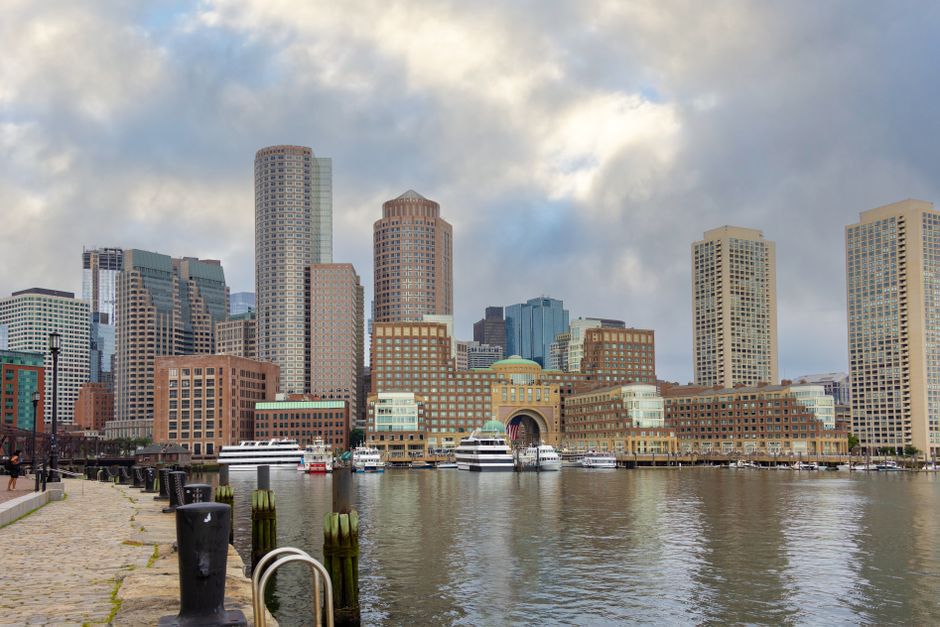
Major new developments along the Fort Channel are attracting both residents and investors, with apartments now commanding $1,200+ per square foot in this once-industrial precinct.
Major new developments along the Fort Channel are attracting both residents and investors, with apartments now commanding $1,200+ per square foot in this once-industrial precinct.
Boston's Seaport District is experiencing a transformation that's fundamentally reshaping how the city's residents live, work, and play. What was once dominated by warehouses and shipping terminals has evolved into one of the Northeast's most coveted neighbourhoods, with multiple billion-dollar development projects now underway that promise to cement its status as a cultural and residential hub.
The latest catalyst comes from the announcement of three major mixed-use developments spanning approximately 1.2 million square feet across the Fort Channel waterfront. The $2.8 billion investment includes residential towers, office spaces, retail precincts, and extensive public parkland—a combination that city planners say addresses Boston's acute housing shortage while maintaining the neighbourhood's walkable, vibrant character.
"We're seeing unprecedented demand from both owner-occupiers and investors," says Michael Chen, a commercial real estate analyst at Boston Properties Group. "Seaport apartments that were $950 per square foot three years ago are now regularly fetching $1,200 to $1,400 per square foot for new construction."
The timing couldn't be more strategic. As interest rate pressures ease and migration patterns show younger professionals returning to urban centres, Boston's waterfront offers something increasingly rare: brand-new residential stock in an already-established, amenity-rich neighbourhood. Unlike suburban sprawl, these developments emphasise public access to waterfront spaces, with plans for over 2 acres of new parks and recreational facilities.
Fort Point Channel, traditionally the neighbourhood's eastern boundary, is becoming its greatest asset. The revised masterplan includes widened pedestrian pathways, new maritime museums, and enhanced public spaces that developers argue will rival similar waterfront precincts in cities like Sydney and Melbourne.
However, the rapid pace isn't without challenges. Housing affordability remains contentious, with only 15% of new units mandated as affordable—well below the 25% sought by community advocates. Local residents have also raised concerns about traffic congestion and whether existing infrastructure can support an estimated 8,000 additional residents across all three projects by 2028.
The Boston Planning and Development Agency approved the first phase in May, with construction beginning this quarter. The second and third phases remain under review, though insiders expect full board approval by September.
For property investors, the Seaport District represents a rare convergence of supply scarcity, strong rental yields (averaging 3.8% annually), and proven neighbourhood fundamentals. Yet with projects of this scale, timing the market entry matters considerably—early-phase purchasers typically see 18-24% appreciation before completion.
This article was compiled by AI and screened before publishing. See our editorial standards.
How does this story make you feel?
Spread the word
About this article
Published by The Daily Boston
Daily brief
Free, in your inbox before 7am. Weekdays.
More in Property