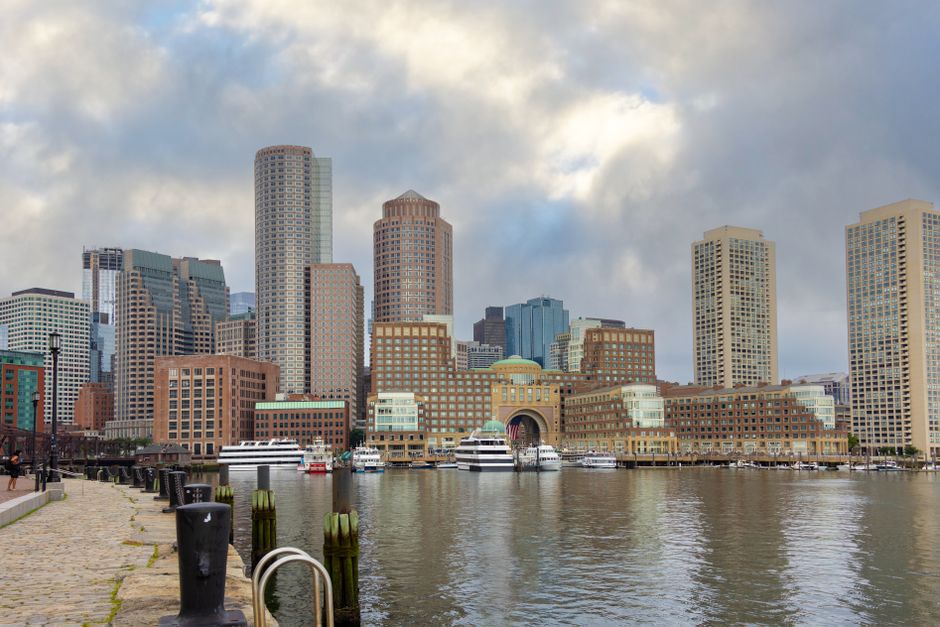
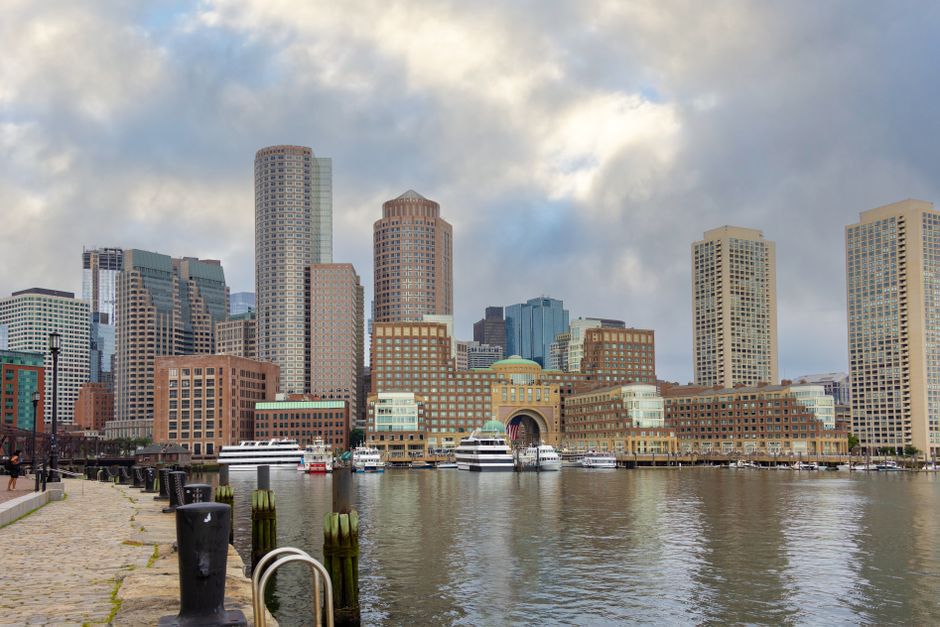
Boston's property market is entering a pivotal moment, with the Seaport District leading a wave of residential development that could reshape the city's housing landscape. Recent planning approvals have cleared the way for three major mixed-use projects along the waterfront precinct, promising to inject thousands of new apartments into a neighbourhood where median rents have surged past $3,200 monthly for a two-bedroom.
The first and most significant development—a 65-storey tower slated for Fan Pier Boulevard—will deliver 750 residential units alongside 180,000 square feet of retail and office space. Estimated completion is 2027, with pre-sales already indicating strong buyer interest. Studio apartments are projected to command $550,000 to $650,000, while two-bedroom units could reach $1.2 to $1.5 million.
"This isn't just about numbers," explains Martha Chen, director of Boston Planning and Development Agency. "We're addressing a critical shortage while maintaining the neighbourhood's character and public access to the waterfront."
Two additional projects—one in Fort Point Channel and another anchoring the Everton Street precinct—will contribute approximately 1,750 apartments combined. Industry analysts suggest the combined supply could moderate Seaport rents by 8-12 percent within three years, offering relief to renters while creating opportunity for investors eyeing long-term appreciation.
The development momentum extends beyond Seaport. The newly approved Lansdowne Street revitalisation project in Fenway will convert aging commercial buildings into 280 luxury apartments, with ground-floor retail activating the street level. Market comparables in surrounding blocks suggest units will price between $2,800 and $4,200 monthly for comparable sizes.
However, not everyone welcomes the expansion. Community advocates have raised concerns about affordability, with only 15 percent of new units across all projects designated as income-restricted housing. The Boston Housing Authority is negotiating with developers to increase this figure, though negotiations remain ongoing.
For investors and owner-occupiers, the timing presents distinct scenarios. Early buyers in emerging pockets like Lansdowne could benefit from gentrification-driven appreciation, while established Seaport properties may see softer growth as new supply comes online. First-time buyers, meanwhile, face a narrowing window before prices potentially accelerate further.
The city's planning department expects final building permits for the Fan Pier project within 60 days, with construction commencing in Q4 2024. Market observers will be watching closely—these developments could set the tone for Boston's housing market through the remainder of this decade.
This article was compiled by AI from the sources linked above and screened before publishing. See our editorial standards.