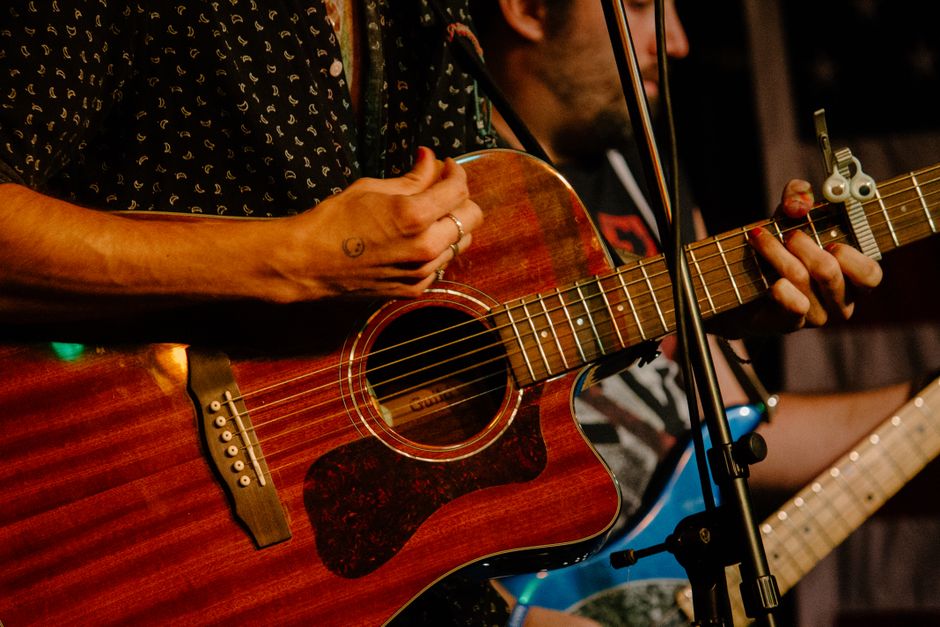
Walk through Jamaica Plain on a Friday night and you're likely to hear live music spilling from unmarked doorways—a scene that would have seemed impossible five years ago. Today, Boston's music venue landscape is undergoing a fundamental shift, driven not by major promoters or real estate developers, but by a determined community of artists and organizers who believe live music should be accessible to everyone, not just those who can afford $50 tickets at major corporate venues.
The movement gained real momentum during the pandemic, when traditional venues shuttered and musicians desperate to perform began hosting shows in basements, warehouses, and community spaces across Roxbury, Dorchester, and the South End. What started as survival quickly became ideology. According to a recent survey by the Boston Music Coalition, approximately 60 percent of the city's live music events now occur outside traditional ticketed venues—a dramatic reversal from 2018 data showing corporate venues dominated the market.
Key to this shift is the rise of neighborhood-based collectives like Dorchester Arts Collaborative and the Jamaica Plain Music Initiative, which have secured long-term leases on affordable properties and converted them into dual-purpose community spaces. Tickets at these venues average $10-15, compared to the $35-70 standard at larger establishments downtown. The model is proving sustainable: aggregate attendance across DIY venues in Boston exceeded 180,000 people in 2025, according to organizers.
The movement has also attracted institutional support. Last year, the Boston Foundation awarded $2.3 million in grants to community music organizations, signaling growing recognition that grassroots venues serve not just entertainment but essential cultural functions—particularly for immigrant communities and young people priced out of mainstream entertainment.
However, success brings new pressures. Rising rents along the Orange Line corridor and increasing enforcement of noise ordinances threaten the viability of several established DIY spaces. Meanwhile, tensions simmer between the movement's ethos of radical accessibility and the practical need for financial sustainability.
Yet organizers remain undaunted. Plans for a citywide music venue cooperative—pooling resources across Allston, Cambridge, and Somerville—are advancing through municipal channels. If approved, it could formalize what has been a decentralized movement into a genuine infrastructure alternative to corporate entertainment.
For a city with deep roots in live music culture, the current moment feels pivotal: Boston's musical future, it appears, will be determined not by boardrooms but by communities taking control of their own stages.
This article was compiled by AI from the sources linked above and screened before publishing. See our editorial standards.