Boston's Live Music Scene Is Experiencing an Unexpected ...
A perfect storm of pent-up demand, rising ticket prices, and a shortage of mid-sized venues is reshaping how locals experience concerts this summer.
A perfect storm of pent-up demand, rising ticket prices, and a shortage of mid-sized venues is reshaping how locals experience concerts this summer.
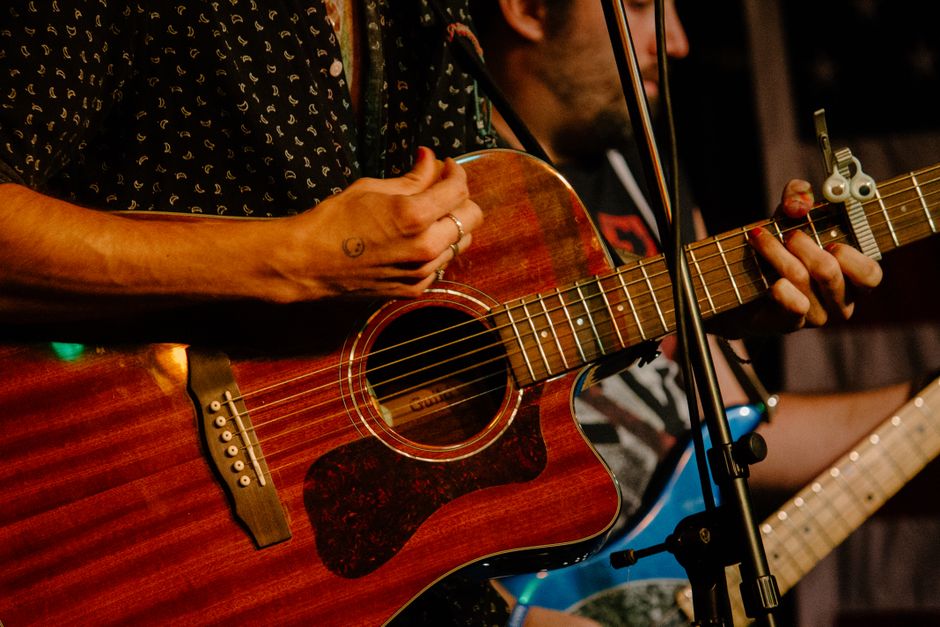
Walk down Lansdowne Street on any Thursday night and you'll notice something that would have seemed impossible just two years ago: lines forming before doors even open, venues posting sold-out shows weeks in advance, and a genuine buzz that feels less manufactured and more organic than it has in a decade.
Boston's live music ecosystem is experiencing a significant shift. After pandemic disruptions and subsequent inflation that temporarily dampened attendance, the city's concert venues are now operating at or near capacity, with promoters reporting some of the strongest demand they've seen since the early 2010s. The House of Blues, Paradise Rock Club, and smaller independent venues across Cambridge and Somerville are reporting sell-outs for mid-tier acts—artists who would have commanded 500-1,000 person rooms just five years ago.
"We're seeing people willing to pay higher ticket prices because they've learned they can't take live music for granted," says a veteran promoter familiar with Boston's circuit, reflecting a broader cultural reckoning. Average ticket prices for concerts at major Boston venues have climbed roughly 35 percent since 2019, yet attendance has surged approximately 22 percent compared to 2023.
What's particularly striking is which neighborhoods are buzzing. Beyond the predictable draw of Lansdowne Street, smaller venues in Jamaica Plain, Allston, and the Seaport District are experiencing unexpected traffic. The Sinclair in Harvard Square reports booking indie and alternative acts on six nights per week—up from four in 2024. Even traditionally quieter corners of the city are attracting touring musicians seeking intimate 200-400 capacity shows.
But this renaissance comes with friction. Venue owners and promoters are grappling with genuine constraints: real estate costs have made opening new mid-sized venues economically unfeasible, labor shortages have raised operational costs, and sound ordinance disputes with residential neighbors continue to plague certain neighborhoods. Several Allston venues have faced noise complaints that forced earlier closing times, effectively reducing capacity.
The result is a supply-and-demand crunch that's reshaping Boston's music calendar. Touring acts find themselves with limited options for venues that fit their drawing power, leading to either oversized rooms that feel empty or cramped clubs where scalpers thrive. For fans, it means securing tickets fast or watching shows sell out in hours.
Summer 2026 will likely be remembered as the moment Boston's music lovers realized their appetite for live entertainment had fundamentally changed—and that the physical infrastructure supporting that appetite hadn't quite caught up.
This article was compiled by AI from the sources linked above and screened before publishing. See our editorial standards.
How does this story make you feel?
Spread the word
About this article
Published by The Daily Boston
Daily brief
Free, in your inbox before 7am. Weekdays.
More in culture