From Speakeasy Basements to Tech-Era Galleries: How ...
As the city marks its 400th anniversary, the evolution of its creative spaces reveals how Boston has transformed from a colonial outpost into a global cultural hub.
As the city marks its 400th anniversary, the evolution of its creative spaces reveals how Boston has transformed from a colonial outpost into a global cultural hub.
Walk down Hanover Street in the North End today, and you'll see craft cocktail bars where Prohibition-era speakeasies once operated. It's a visible reminder of how Boston's cultural landscape has continuously reinvented itself—a pattern that accelerated dramatically over the past two decades as the city competed for creative talent alongside New York, Los Angeles, and increasingly, global markets.
The shift mirrors broader demographic and economic changes. In 2000, Boston's arts and culture sector employed roughly 12,000 people across museums, galleries, and performance venues. By 2024, that number had nearly doubled to 23,000, according to the Boston Foundation's Cultural Plan initiative. Real estate prices told the story: a gallery space in Fort Point Channel that rented for $8 per square foot in 2010 commands $22 today, pricing out many independent artists who once defined the neighborhood's character.
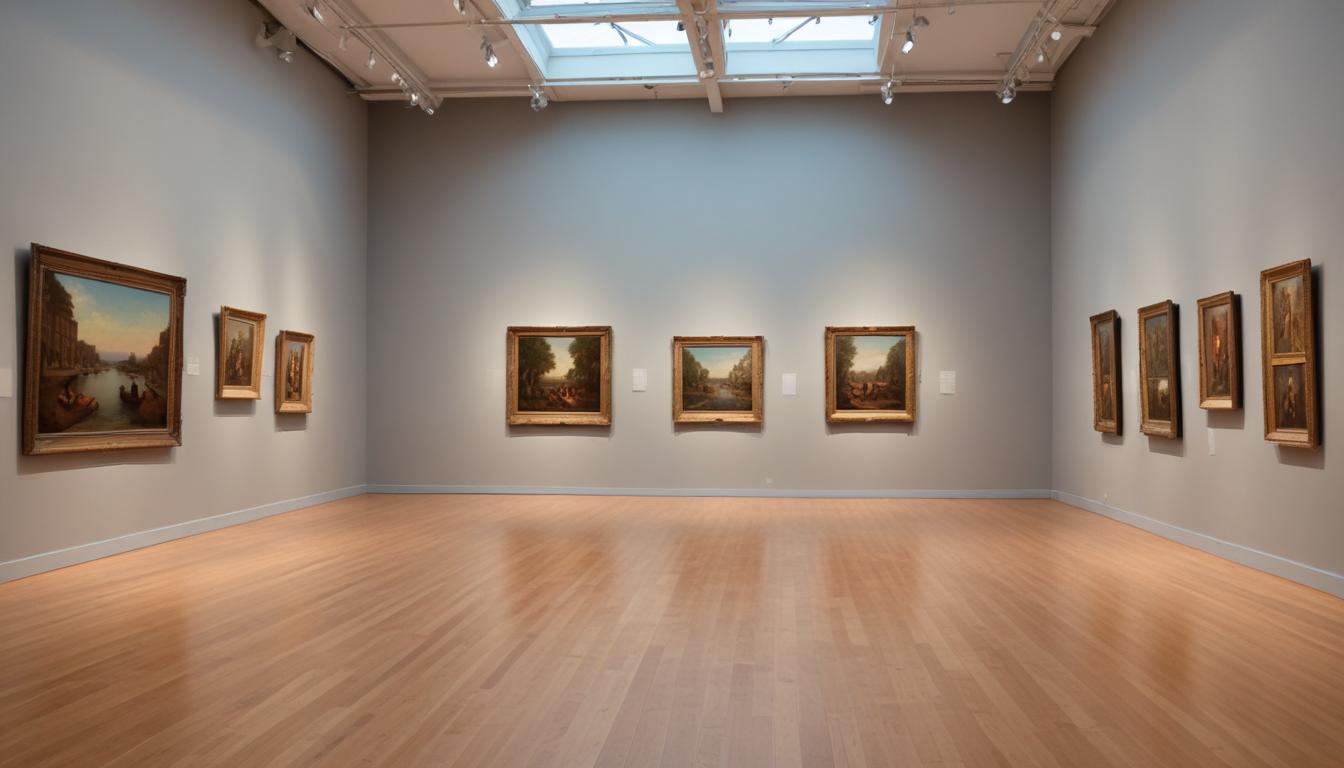
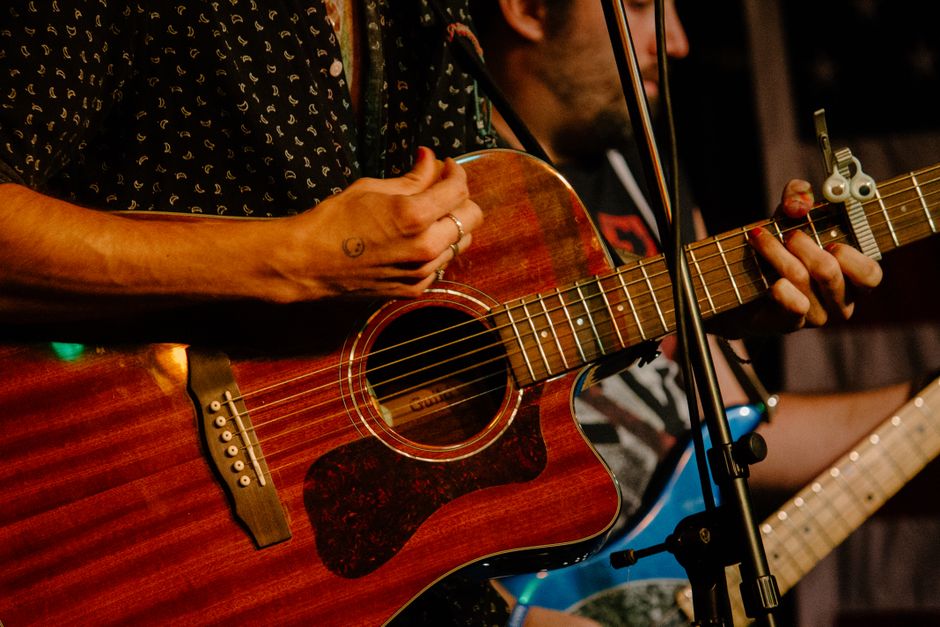
Yet cultural institutions adapted. The Institute of Contemporary Art on Seaport Boulevard, opened in 2006, cost $263 million and symbolized Boston's ambition to rival international art capitals. Simultaneously, grassroots venues like The Lilypad in Inman Square and smaller galleries in Jamaica Plain's Centre Street corridor maintained the scrappy energy that had defined Boston's creative underbelly since the 1990s. The Music and Theater Collection at the Boston Public Library, relocated to its expanded Copley location in 2016, became a preservation project reflecting this tension between heritage and innovation.
What's particularly striking is how Boston's cultural identity remains tied to its neighborhoods in ways other cities have lost. The Boston Athenaeum, founded in 1807 and still operating on Beacon Hill, sits alongside newer institutions like the Isabella Stewart Gardner Museum's contemporary wing, expanded in 2012. This coexistence—18th-century intellectual traditions alongside 21st-century artistic experimentation—feels distinctly Boston.
The pandemic accelerated digital innovation and democratization. Virtual programming at the Museum of Fine Arts and Boston Symphony Orchestra reached 2.3 million viewers in 2020 alone, fundamentally changing who accessed Boston culture. Yet attendance at physical venues has surged post-pandemic, suggesting Bostonians value the irreplaceable experience of community gathering.
Looking ahead, the challenge is preserving what made Boston's creative scene vital—its accessibility, its neighborhood rootedness, its intellectual rigor—while competing in an increasingly globalized, technology-driven cultural economy. That tension, evident everywhere from the Greenway's public art installations to the emerging artist studios being pushed further south, will define the next chapter of this 400-year-old city's cultural story.
This article was compiled by AI from the sources linked above and screened before publishing. See our editorial standards.
How does this story make you feel?
Spread the word
About this article
Published by The Daily Boston
Daily brief
Free, in your inbox before 7am. Weekdays.
More in culture