From Brahmin Parlours to Street-Level Revolution: How ...
The city's museums and galleries have transformed from elite bastions into dynamic, diverse cultural spaces—and the shift reveals much about Boston itself.
The city's museums and galleries have transformed from elite bastions into dynamic, diverse cultural spaces—and the shift reveals much about Boston itself.
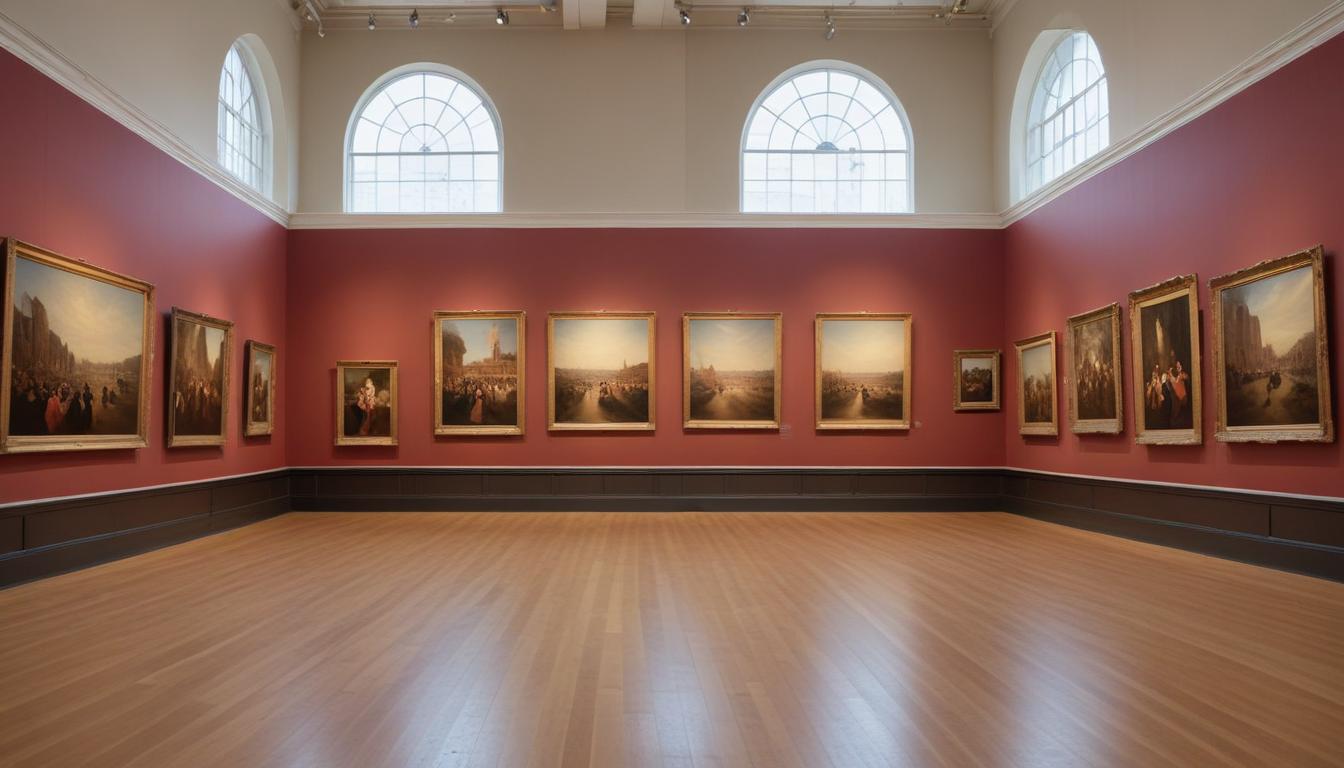
Walk into the Museum of Fine Arts on Huntington Avenue today and you'll encounter something unthinkable fifty years ago: a gallery dedicated entirely to contemporary Haitian art, installations by young Boston-based artists of colour, and admission prices scaled to income. The MFA's evolution mirrors a broader sea change in Boston's arts ecosystem—one that has dismantled the careful gatekeeping that once defined culture in this city.
Boston's museum culture emerged from precisely the kind of old-money patronage you'd expect. The MFA, founded in 1870, and the Isabella Stewart Gardner Museum, established in 1903, were temples built by titans of industry for the edification of their peers. For generations, stepping into these institutions meant entering spaces designed to remind you of your place in the social hierarchy. Acquisitions favoured European masters; programming catered to predictable tastes.
The real disruption began in the 1980s and accelerated dramatically through the 2010s. Gallery districts materialized where artists could actually afford rent. Fort Point Channel transformed from industrial waterfront into a creative hub; the Seaport's artist lofts sparked gentrification battles that continue today. Meanwhile, smaller galleries on Newbury Street and emerging neighbourhoods like Jamaica Plain began showcasing work that the establishment ignored.
Today, Boston's gallery scene pulses with intent. The Institute of Contemporary Art opened in 2006 as the MFA's deliberately provocative younger sibling—free admission, a visual manifesto rejecting the stuffiness down the street. Independent spaces like Greenway Open Market and the various artist collectives occupying Boston's warehouse districts challenge the very notion of what a gallery should be. Attendance figures tell the story: the MFA served roughly 800,000 visitors annually by 2024, but increasingly those visitors skew younger and more diverse than at any point in the institution's history.
What's driving this isn't mere generosity. Economic necessity has played a role—museums learned that locking out potential audiences is bad business. Social pressure from communities demanding representation has reshaped collections and exhibitions. And a generation of curators and directors, many themselves from outside Boston's traditional power structures, brought different priorities.
The city's arts ecosystem remains imperfect. Gentrification continues displacing artists from neighbourhoods they revitalized. Questions of equitable representation persist. But the basic architecture has shifted. Boston's cultural institutions have gone from preserving the past for the privileged to, increasingly, reflecting the diverse present.
This article was compiled by AI from the sources linked above and screened before publishing. See our editorial standards.
How does this story make you feel?
Spread the word
About this article
Published by The Daily Boston
Daily brief
Free, in your inbox before 7am. Weekdays.
More in culture