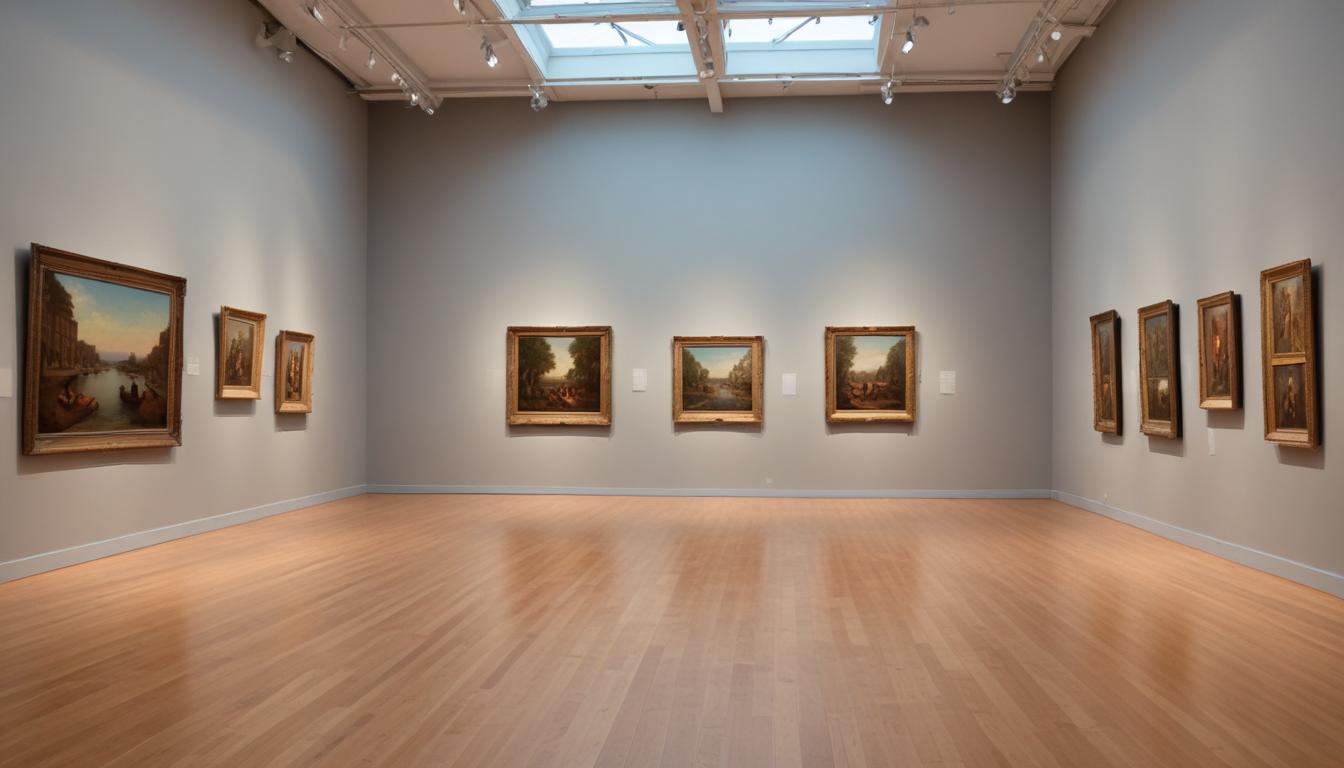
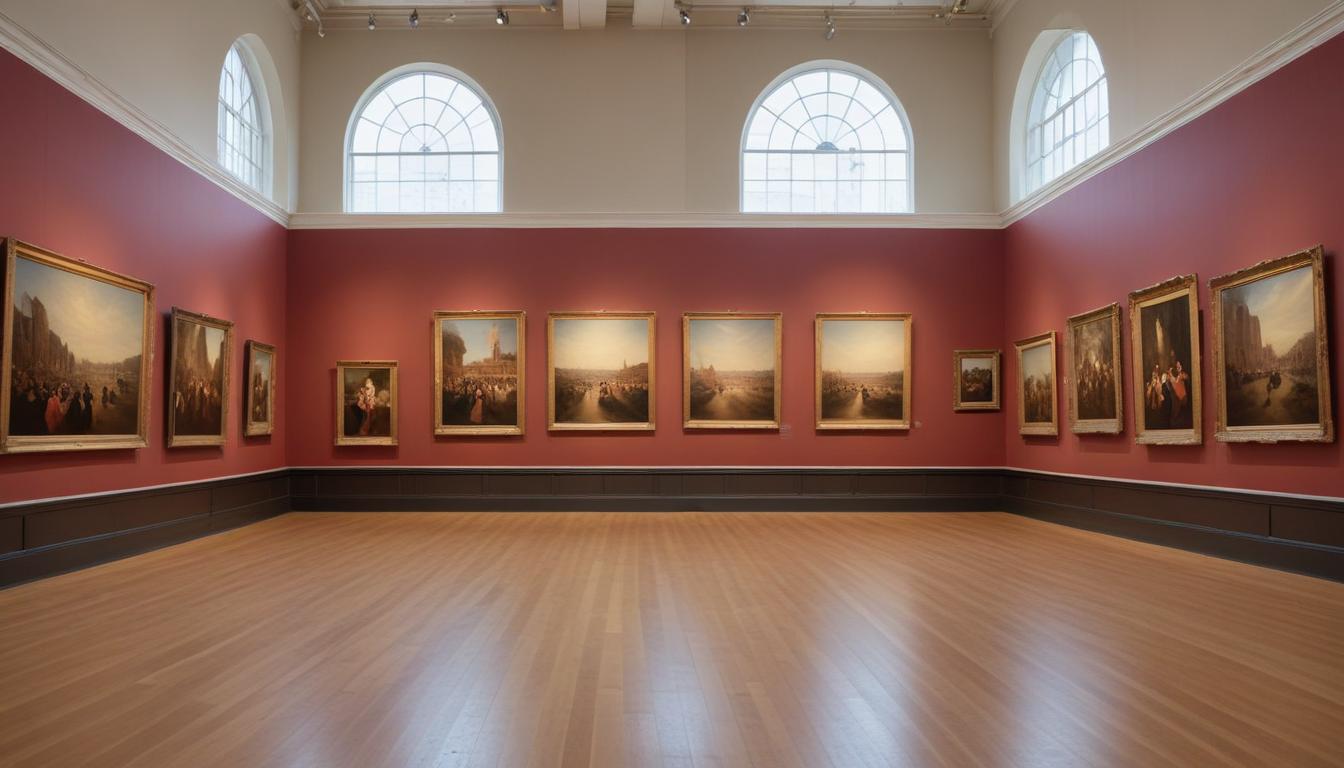
Walk down Charles Street in Beacon Hill on any given afternoon and you'll encounter something telling: a young muralist sketching the 1850s gaslight fixtures into a contemporary piece, a gallery window displaying archival photographs alongside modern installations. This collision between Boston's layered past and its present creative energy is no accident. It's become the defining characteristic of how the city positions itself culturally in 2026.
The shift reflects a broader repositioning underway across Boston's cultural institutions and independent creative spaces. The Institute of Contemporary Art on Seaport Boulevard may showcase cutting-edge work, but increasingly, curators are interrogating what local history means—examining the Underground Railroad sites along the Freedom Trail, the labor movements born in factory districts, the immigrant communities that built neighborhoods like the North End and Jamaica Plain. This isn't nostalgia; it's active historical reclamation shaping contemporary practice.
"We're seeing artists treat the city itself as a primary text," says the curatorial work happening at smaller venues like Greentown Labs in Somerville and the artist collectives emerging in Fort Point Channel warehouses. Recent programming has highlighted Boston's role in Revolutionary history, its 19th-century maritime commerce, and its more fraught modern legacies around segregation and urban renewal. Museums report increased attendance when exhibitions foreground local narratives—the MFA's recent show on Boston portraiture drew nearly 40,000 visitors over three months.
This cultural reckoning has economic dimensions too. Heritage tourism contributes roughly $5.5 billion annually to Massachusetts's economy, with Boston's historical landmarks anchoring much of that. But more significantly, younger creative practitioners are choosing to stay in Boston rather than migrate to New York or Los Angeles, citing the city's architectural coherence and documented narrative complexity as irreplaceable creative resources. Rent in rapidly gentrifying neighborhoods like Roxbury and Dorchester remains lower than comparable Brooklyn locations—around $1,800–$2,200 for a one-bedroom—making the city's heritage districts more accessible to emerging artists.
The stakes matter beyond aesthetics. How Boston tells its history—whose stories get centered, whose remain marginalized—directly influences who feels culturally invested in the city's future. Theater companies, publishing collectives, and music venues are increasingly interrogating whose histories have been canonized. This is how local history becomes not merely preservation, but active creative practice that defines not just how Boston sees itself, but who gets to claim a stake in that identity.
This article was compiled by AI from the sources linked above and screened before publishing. See our editorial standards.