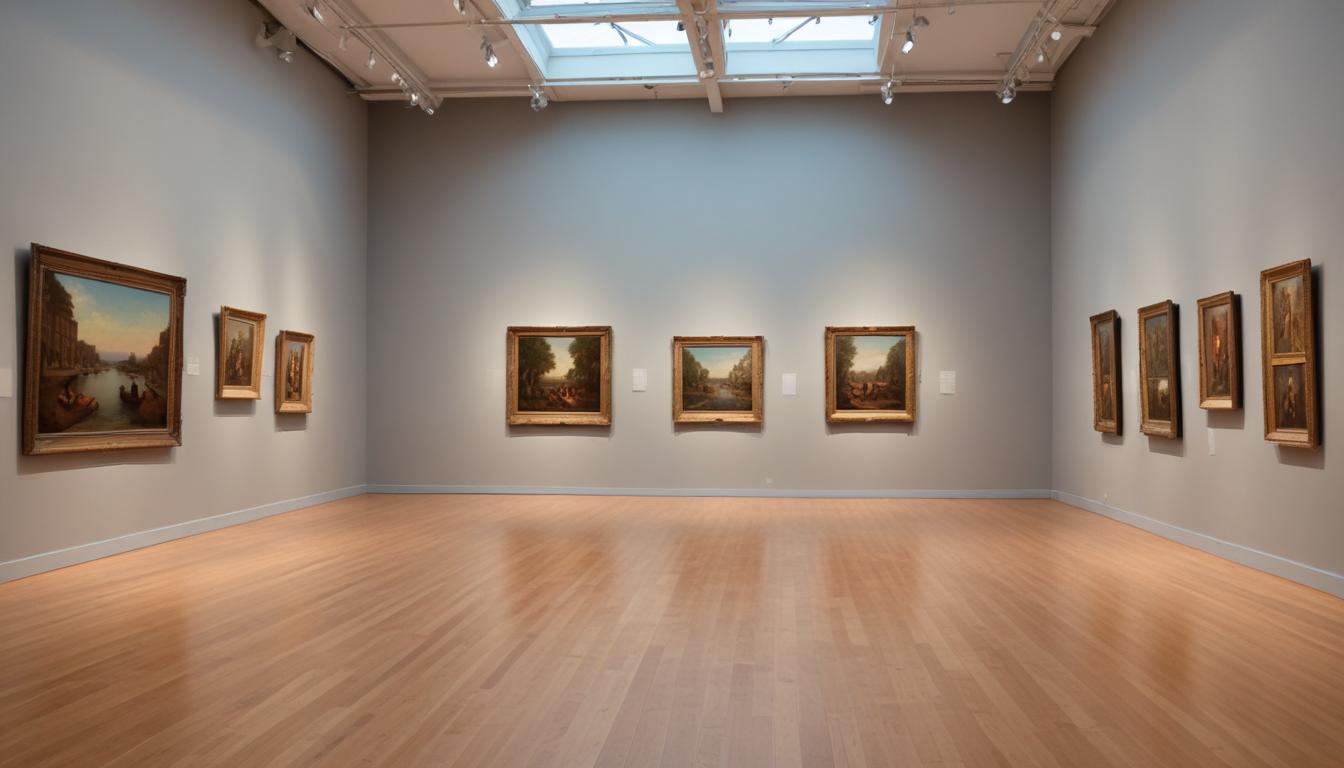
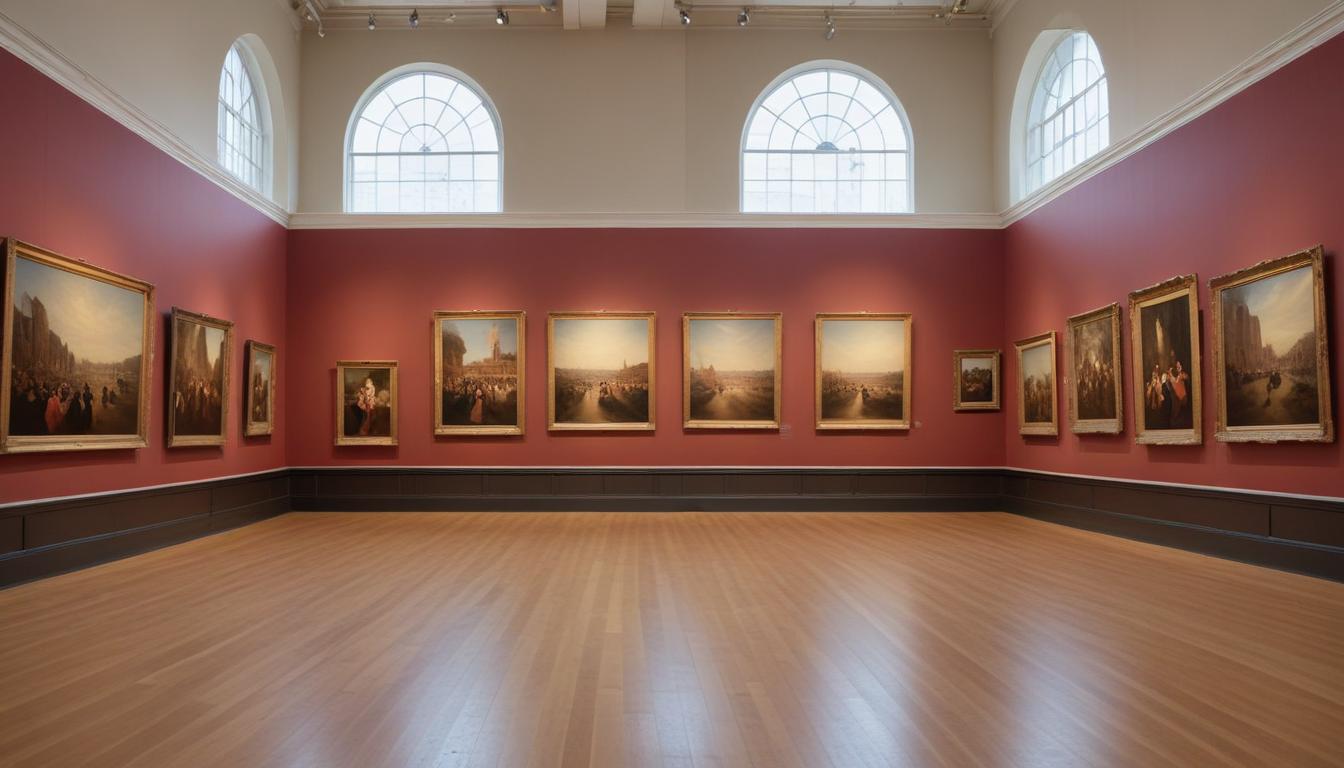
Walk down Charles Street on any given Saturday and you'll encounter a Boston that most visitors never see. Between the boutique storefronts and brownstones, a network of converted townhouse galleries now display work from emerging artists who might never grace the walls of the Museum of Fine Arts. This microcosm reflects a broader transformation reshaping Boston's cultural landscape—one where independent galleries and museum initiatives are challenging the city's century-old identity as a repository of established taste.
The shift accelerated markedly after the pandemic. While major institutions like the MFA and Isabella Stewart Gardner Museum maintained their prestige, scrappier spaces seized opportunity. In Fort Point Channel, the number of artist-run galleries has doubled since 2022, according to the Fort Point Arts Community Association. Monthly First Friday events now draw crowds rivaling those at more formal venues, with admission typically free or under $10—a stark contrast to the MFA's $25 general admission.
What's genuinely new isn't just the proliferation, but the diversification. The Seaport's emerging gallery strip around Sleeper Street hosts contemporary work alongside experimental video installations. Meanwhile, Boston's thriving Caribbean and Cape Verdean communities—energized by recent cultural moments worldwide—are anchoring galleries in Roxbury and Dorchester that center diaspora artists and community-rooted narratives. Organizations like the Elma Lewis Center are no longer outliers; they're defining what Boston's visual culture actually looks like.
The Museum of Fine Arts has responded by expanding its contemporary programming and lowering barriers to entry—free hours now extend to 20 per week for Massachusetts residents. Yet the institutional response, however enlightened, can't compete with the authenticity of a gallery where the artist might be hanging work on opening night.
This matters beyond aesthetics. A city's creative identity determines who feels invited to participate in culture, who sees themselves reflected, and ultimately, where young artists choose to build careers. For decades, Boston's arts scene bore the imprint of old money and academic gravitas. That hasn't disappeared. But increasingly, it's being joined—and challenged—by a more scrappy, pluralistic vision emerging from the neighborhoods themselves.
The question now isn't whether Boston has an art scene. It's whether the institutions and communities shaping that scene can sustain momentum together, creating something neither could alone: a truly democratic creative city.
This article was compiled by AI from the sources linked above and screened before publishing. See our editorial standards.