Walk through the Boston Common on any given weekend this summer and you'll notice something has shifted. Where corporate-backed mega-events once dominated the city's calendar, a patchwork of neighborhood festivals—organized by residents, for residents—now pulse with genuine energy. This isn't coincidence. It's the result of a deliberate movement by community organizers who've grown tired of watching their city's cultural life filtered through corporate gatekeepers.
The numbers tell the story. According to the Boston Parks and Recreation Department, community-initiated events in city parks have increased 43 percent since 2023. Many of these gatherings operate on shoestring budgets—the Roxbury Art Walk, now in its fourth year, runs on roughly $8,000 annually, yet draws upwards of 2,000 participants across Warren Street and surrounding blocks. Compare that to the city's traditional summer concert series, which costs taxpayers nearly $200,000 per season.
What's driving this shift? Organizers point to frustration with the gatekeeping model. "When every festival requires corporate partnerships and liability insurance that costs thousands, you're essentially saying only certain voices get heard," says the Dorchester Cultural Alliance, a coalition that's coordinated fifteen hyperlocal events across the neighborhood since 2024. They've pioneered a model using community centers as anchors—the Strand Theatre on Uphams Corner has become a hub for organizing, rehearsal space, and logistical support.
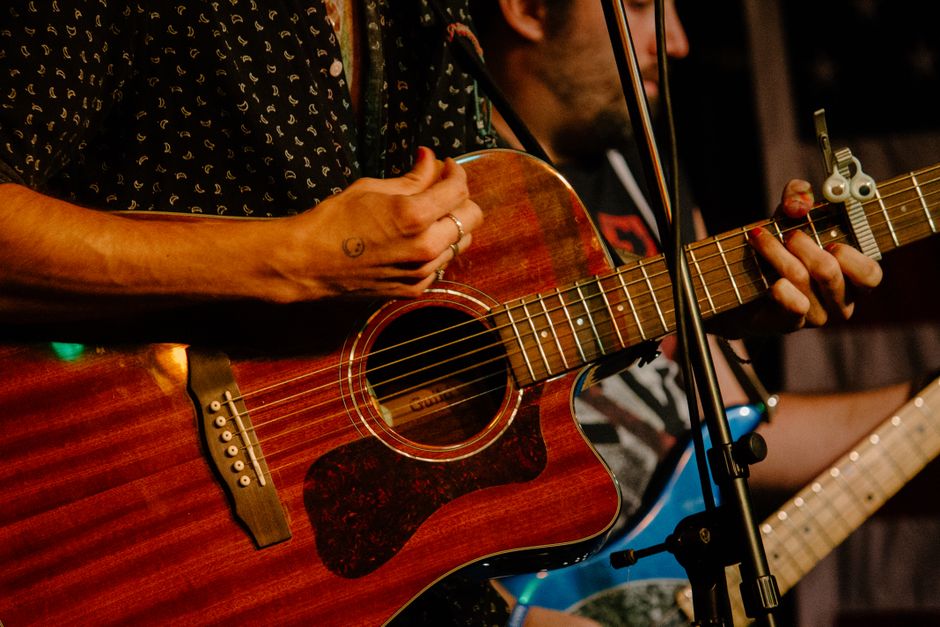
The movement has ripple effects. Jamaica Plain's emerging artists collective now hosts monthly "Stony Brook Sessions" along the eponymous waterway, transforming an underutilized public space into a venue for emerging musicians and performers. East Boston's Greenway activation, entirely volunteer-run, has created programming that reflects the neighborhood's Cape Verdean and Brazilian communities—a sharp contrast to the generic pop playlists typical of city-sanctioned events.
The shift isn't without growing pains. Some organizers struggle with permitting bureaucracy; others lack insurance or worry about liability. Yet the city's cultural establishment is taking notice. Several major institutions, including the Museum of Fine Arts, have begun supporting grassroots events with in-kind donations rather than attempting to absorb them into their own programming.
As Boston heads into July, the calendar is thick with community-driven festivals. What unites them isn't slick marketing or sponsorship logos—it's the conviction that culture belongs to neighborhoods, not corporations. That's not just a shift in the calendar. It's a reclamation of the city itself.
This article was compiled by AI from the sources linked above and screened before publishing. See our editorial standards.