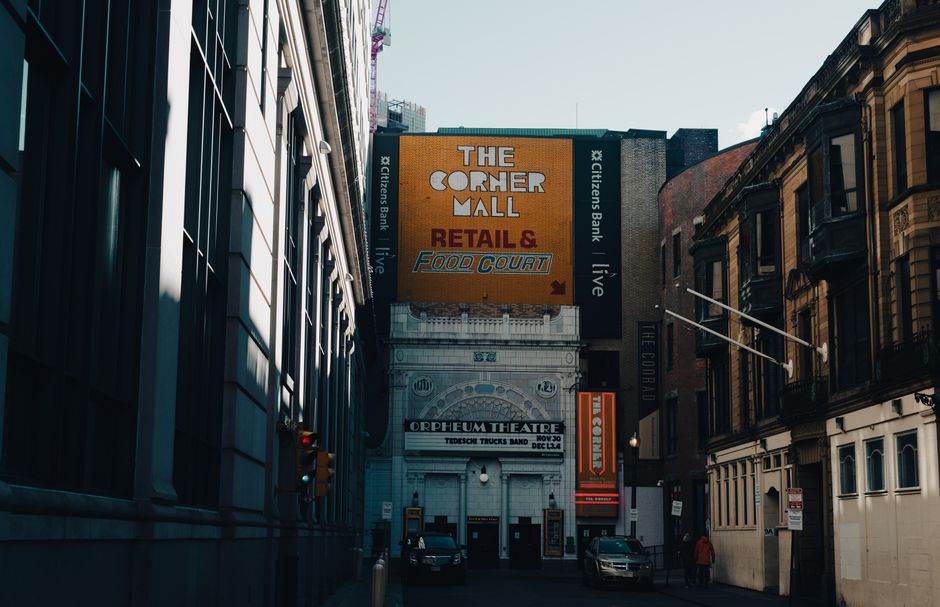
Walk down Huntington Avenue on a Thursday evening and you'll see them: clusters of theatre-goers streaming toward the marquee, anticipating the next unexpected artistic moment. But few know the quiet architectural work that created this thriving ecosystem.
The Boston theatre landscape of 2026 looks radically different from thirty years ago, when many smaller venues shuttered and production budgets shrunk. That transformation didn't happen by accident. It emerged from sustained vision by individuals who believed the city's creative class needed infrastructure, not just inspiration.
The American Repertory Theater's expansion into Cambridge in the late 1990s marked a turning point, but the real revolution came from unexpected quarters. Independent producers and artistic directors began converting underutilized spaces across the South End, Fort Point, and Jamaica Plain into intimate black boxes and mid-sized theatres. By 2015, Boston had nearly forty theatre venues operating regularly—triple the number from 2000.
Today, that network generates roughly $180 million annually in economic activity and employs over 1,200 people in creative roles, according to a 2025 Cultural Coalition Boston study. More significantly, it created pathways for emerging artists who might have fled to New York or Los Angeles.
The Paramount Theatre's 2019 renovation exemplified this trend. What began as a deteriorating colonial venue near Downtown Crossing became a hybrid space hosting everything from classical music to experimental theatre. The project required $70 million and five years of community negotiation—a process that revealed Boston's shifting priorities about what culture means to a dense urban neighborhood.
Smaller ventures proved equally transformative. When Black Box Theatre Company opened a 99-seat venue in the Fort Point Channel district in 2012, it occupied a former warehouse with exposed brick and no climate control. Within a decade, similar grassroots operations had established the neighborhood as an arts destination rivaling Cambridge.
These weren't solo achievements. They required patient fundraising from local philanthropic families, municipal support through Creative Districts initiatives, and sustained collaboration between venue operators who resisted the zero-sum competition typical of entertainment industries.
As Boston's population approaches 700,000—and the broader metro area surpasses 4.9 million—the stakes have risen. Affordable studio space for artists has nearly vanished. Gentrification threatens the neighborhoods that made experimental theatre economically viable.
Yet the infrastructure endures. The people who built it are now training the next generation, insisting that a global city requires more than tourist attractions. It requires spaces where artistic risk becomes possible. Where creativity isn't a luxury—it's infrastructure.
This article was compiled by AI and screened before publishing. See our editorial standards.