Boston's Living History: What First-Time Visitors Must Know About This City's Cultural Soul
From the Freedom Trail to the neighborhoods that shaped America, here's how to experience authentic Boston heritage beyond the tourist checklist.
From the Freedom Trail to the neighborhoods that shaped America, here's how to experience authentic Boston heritage beyond the tourist checklist.
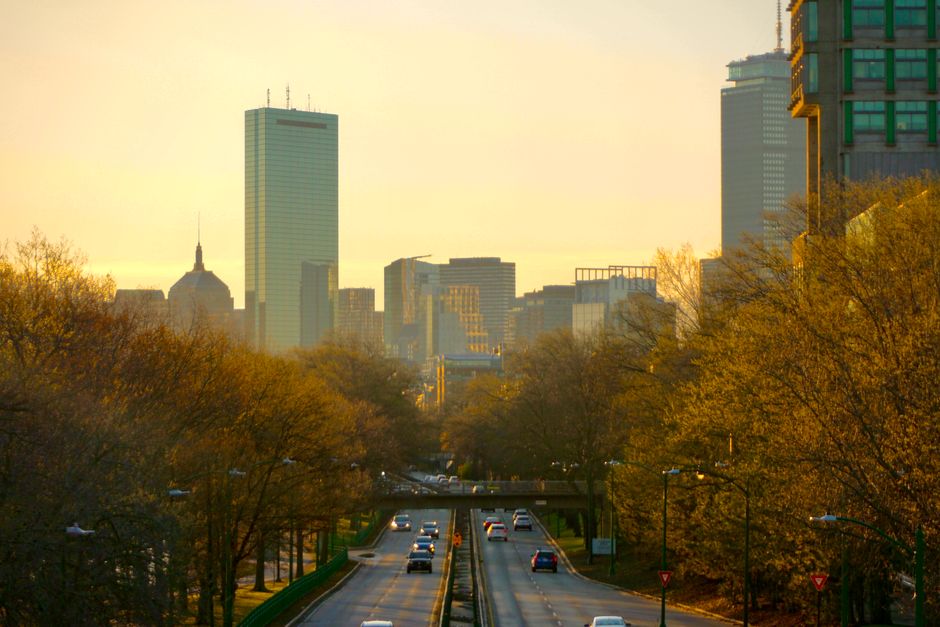
Boston doesn't whisper its history—it shouts from every brick corner and cobblestone street. But understanding what makes this city's cultural identity tick requires more than a weekend walking tour. It demands intention, context, and a willingness to wander beyond the postcard moments.
Start with the non-negotiable: the Freedom Trail. Yes, it's famous for a reason. The 2.4-mile red-brick path connecting 16 historically significant sites remains the most efficient way to grasp Boston's revolutionary credentials. But here's what guides often skip: the trail's real power emerges when you linger in the neighborhoods it threads through. Stop in the North End not just for Paul Revere's house, but to understand how Italian immigrants transformed this quarter into a living cultural hub—evident today in the family-run restaurants along Hanover Street and the annual Feast of the Madonna processions.
The Black Heritage Trail offers equally essential perspective. This self-guided 1.3-mile route through Beacon Hill documents the city's pre-Civil War free Black community and the abolition movement. The Museum of African American History, headquartered here, provides crucial context that mainstream narratives often minimize. Admission runs $7 per person, and visiting before exploring the Hill's elegant rowhouses deepens the experience significantly.
For maritime heritage, the New England Aquarium ($32.95 adults) sits where Boston's historic waterfront once teemed with merchant ships. The accompanying Harborwalk offers glimpses of this transformation—from industrial port to modern waterfront district. The Institute of Contemporary Art nearby represents Boston's commitment to cultural evolution, not just preservation.
What visitors frequently miss: neighborhood-specific identity. The South End's artistic renaissance centers on galleries and design studios clustered around Thayer Street. Cambridge's intellectual legacy extends beyond Harvard; the Massachusetts Institute of Technology and its neighborhood have shaped American innovation for over a century. Roxbury's cultural institutions—the Elma Lewis Center's legacy, hip-hop's deep roots here—represent Boston's ongoing story, not historical footnotes.
The Isabella Stewart Gardner Museum ($20 admission) sits in a category of its own: a 1903 Venetian-style palazzo housing an eccentric collector's vision. It reveals how individual cultural patronage shaped Boston's identity.
Plan three days minimum to absorb Boston's layered heritage meaningfully. Moving quickly through landmarks checks boxes; slowing down—eating in neighborhood restaurants, attending community events, speaking with longtime residents—reveals why this city's cultural identity remains contested, evolving, and genuinely compelling.
This article was compiled by AI from the sources linked above and screened before publishing. See our editorial standards.
How does this story make you feel?
Spread the word
About this article
Published by The Daily Boston
Daily brief
Free, in your inbox before 7am. Weekdays.
More in culture