From Scollay Square to Seaport: How Boston's Theatre District Evolved Into a Cultural Powerhouse
Decades of reinvention have transformed a once-gritty entertainment corridor into one of America's most dynamic performing arts ecosystems.
Decades of reinvention have transformed a once-gritty entertainment corridor into one of America's most dynamic performing arts ecosystems.
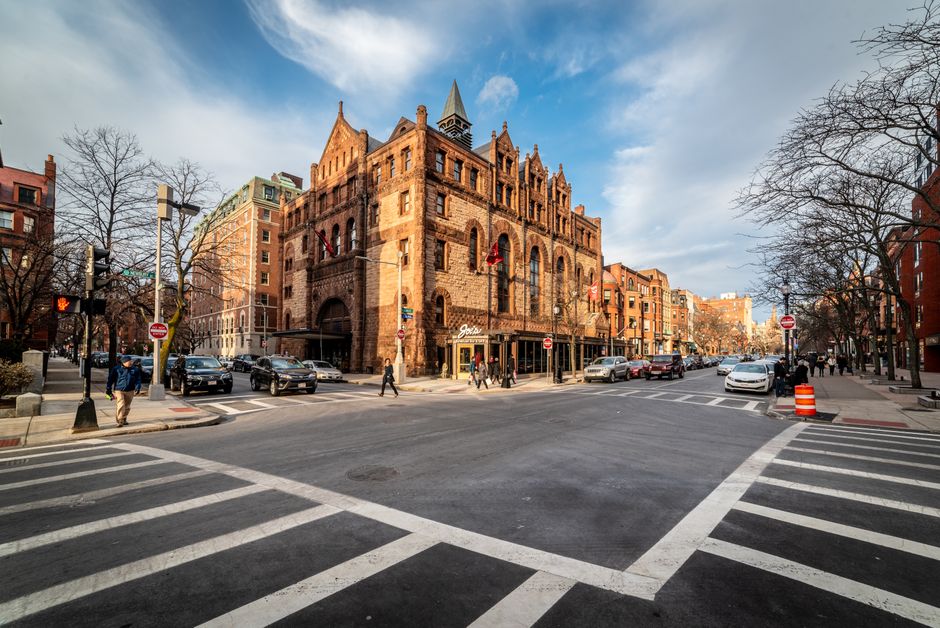
Boston's relationship with theatre and performing arts has always been one of reinvention. Walk Tremont Street today and you'll find the Colonial Theatre, the Wilbur, and the Emerson Colonial standing as anchors of a thriving Theatre District—a far cry from the mid-20th century when the neighborhood teetered on irrelevance. The transformation tells a story about how cities can resurrect cultural institutions while preserving their soul.
The Theatre District's golden age arrived in the early 1900s, when Scollay Square served as Boston's answer to Broadway. The Wang Theatre, opened in 1925, remains the largest stage in New England at 3,600 seats. But by the 1960s and '70s, urban decay and suburbanization threatened the entire ecosystem. The Emerson Colonial and Boston Theatre both fell into disrepair. What saved the district wasn't nostalgia—it was strategic public-private partnership and the bold decision to rehabilitate rather than demolish.
The turning point came in the 1980s and '90s. Emerson College's aggressive acquisition of real estate, coupled with city investment in infrastructure, signaled confidence. The Colonial Theatre's $12.7 million renovation in 2010 proved the bet was paying off. Today, the Theatre District generates an estimated $200 million annually for Boston's economy and draws nearly two million visitors yearly.
But Boston's performing arts scene extends far beyond Tremont Street. The Arts District along Hanover Street has emerged as a secondary hub, housing smaller black-box venues and experimental theatre companies. The ArtsBoston collective, which represents over 100 cultural organizations, coordinates efforts across neighborhoods from Jamaica Plain to Cambridge. Smaller venues like the Huntington Theatre Company in the Fine Arts Building on Huntington Avenue have cultivated loyal audiences willing to pay $35-80 per ticket for original works and classic revivals.
What's particularly striking about Boston's evolution is how economic pressure actually strengthened artistic diversity. When Broadway touring shows couldn't guarantee sell-outs, local companies filled the gap. The American Repertory Theater in Cambridge became a launching pad for experimental work. Independent producers found opportunity in smaller venues, reducing ticket prices and expanding audience demographics.
Today's Theatre District reflects a mature ecosystem: touring Broadway productions coexist with micro-theaters, educational institutions train the next generation, and neighborhood venues prevent arts access from concentrating solely in downtown. The district's 2024 season saw over 40 major productions, with ticket revenues exceeding $95 million.
This isn't a story of preservation frozen in amber. It's one of continuous adaptation—the defining characteristic of Boston's performing arts culture.
This article was compiled by AI from the sources linked above and screened before publishing. See our editorial standards.
How does this story make you feel?
Spread the word
About this article
Published by The Daily Boston
Daily brief
Free, in your inbox before 7am. Weekdays.
More in culture