Boston's Street Art Renaissance: What Visitors Should Know and Where to See It
From the Seaport's Instagram-friendly murals to Jamaica Plain's politically charged galleries, here's your guide to the city's most vibrant creative districts.
From the Seaport's Instagram-friendly murals to Jamaica Plain's politically charged galleries, here's your guide to the city's most vibrant creative districts.
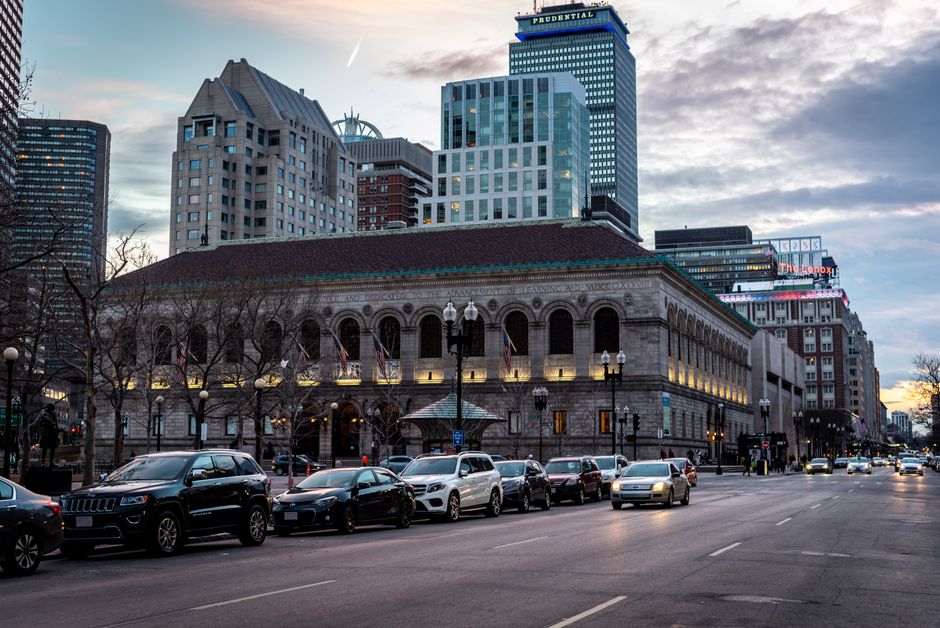
Boston's street art scene has undergone a dramatic transformation over the past five years, shifting from underground tags to city-sanctioned murals that now define entire neighbourhoods. For visitors seeking authentic creative expression beyond the Freedom Trail, understanding where and how to explore these districts has become essential.
The Seaport District offers the most accessible entry point. Its waterfront warehouses have been converted into legal mural spaces, with artists like Greece's iNO and Boston-based MEAR ONE creating massive installations along Atlantic Avenue and Seaport Boulevard. The neighbourhood's galleries—including the Watershed Gallery and Platform on Congress Street—charge no admission and showcase emerging talent. Expect crowds, especially weekends, but the free art and proximity to restaurants make it ideal for first-time visitors.
Jamaica Plain represents street art's political soul. The neighbourhood's murals address gentrification, immigration, and social justice with unflinching directness. Centre Street and the surrounding blocks feature work by collectives like Amplify Arts, whose 2024 series documented Cape Verdean diaspora contributions—timely as the community celebrates deeper cultural visibility. Several murals here commemorate victims of violence or celebrate underrepresented histories. This is art with intention, not decoration.
Roxbury's Dudley Square has emerged as a crucial cultural hub, where the nearby Streetscape Mural Program has invested over $200,000 in commissioned works. The neighbourhood's recent gentrification pressures make its street art particularly significant—it's a visual resistance, maintaining cultural memory as demographics shift. Local organisations like the Roxbury Centre coordinate artist residencies and public paint days, offering visitors chances to witness creation in real time.
Practical information: Most murals are permanent or semi-permanent, but some are painted over seasonally. Instagram accounts dedicated to Boston street art (@bostonstreetwalls, @bostonarts) provide updated maps. Visiting during daylight (before 6 p.m.) ensures quality photography and safe exploration. Many neighbourhoods lack dedicated parking; the MBTA Green Line serves Jamaica Plain and Dudley Square directly, making transit preferable.
Unlike New York or Los Angeles, Boston's street art scene prioritises community voice over commercialism—a distinction worth understanding. The art isn't always technically flashy, but it's deeply rooted in neighbourhood identity. That authenticity, increasingly rare in gentrified cities, is what makes Boston's creative districts genuinely worth the visit.
This article was compiled by AI from the sources linked above and screened before publishing. See our editorial standards.
How does this story make you feel?
Spread the word
About this article
Published by The Daily Boston
Daily brief
Free, in your inbox before 7am. Weekdays.
More in culture