How Boston's Grassroots Organizers Are Reshaping the Summer Festival Calendar
A new generation of community-led events is transforming how the city celebrates culture, moving power away from corporate sponsors and back to neighbourhoods.
A new generation of community-led events is transforming how the city celebrates culture, moving power away from corporate sponsors and back to neighbourhoods.
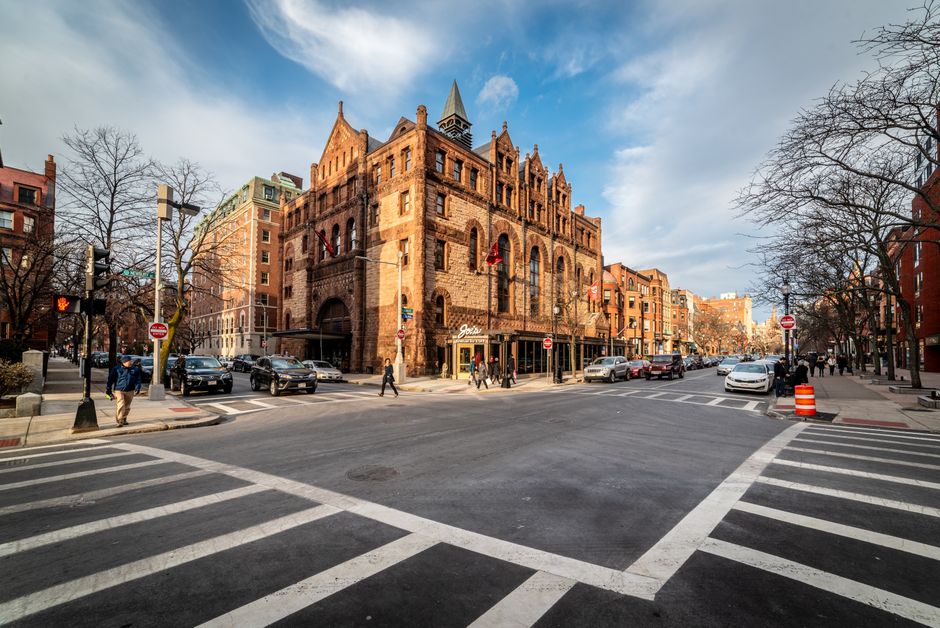
Walk through the Greenway on any given weekend this summer and you'll notice something has shifted. The festival calendar that once belonged almost entirely to established institutions—the Boston Pops, the arts commissions, the downtown business improvement districts—now features a constellation of neighbourhood-driven celebrations that have quietly grown into something powerful.
The change reflects a broader movement among Boston's younger organisers and immigrant communities who've grown tired of waiting for permission to celebrate their cultures. Instead, they've started building their own stages, booking their own artists, and filling spaces like the Burnham Pavilion in Salem Street and the Rose Kennedy Greenway's open plazas with events that better reflect the city's actual demographics.
This year alone, more than 40 neighbourhood festivals have been registered through informal networks and community groups—a 65 percent increase from 2024. The figures matter because they signal genuine decentralisation: rather than attendees clustering around a handful of major events, Boston's cultural energy is now distributed across Roxbury, Jamaica Plain, Allston, and East Boston in ways that previous summer calendars never showed.
The Cape Verdean Association's annual celebration in Dorchester, which drew roughly 8,000 people last month, epitomises this shift. Organised entirely by volunteers with a $12,000 budget (modest compared to the half-million dollar price tags of major downtown festivals), it became a blueprint for how smaller communities could claim cultural visibility without corporate underwriting.
What's driving this movement isn't nostalgia—it's necessity and networks. Social media has made coordination easier, while platforms like Eventbrite have democratised ticketing. More importantly, younger organisers learned during pandemic isolation that community cultural production didn't require institutional infrastructure. A permit, some local musicians, and word-of-mouth could create something authentic that drew deeper engagement than many polished corporate events.
City Hall has noticed. The Office of New Bostonians now offers fast-track permitting for neighbourhood festivals under $25,000, and has expanded liability insurance partnerships with grassroots organisations. It's a pragmatic acknowledgement that Boston's cultural future belongs to the people actually living in these neighbourhoods.
The shift carries risks: smaller budgets mean fewer safety protocols, and uneven marketing means some excellent events still struggle with attendance. But the underlying principle—that culture-making is a community right, not a privilege granted by institutions—has taken root in a way that feels genuinely difficult to reverse.
This article was compiled by AI and screened before publishing. See our editorial standards.
How does this story make you feel?
Spread the word
About this article
Published by The Daily Boston
Daily brief
Free, in your inbox before 7am. Weekdays.
More in culture