Boston's live music scene didn't emerge fully formed. In the 1950s, it was scattered across dimly lit basements—the Storyville jazz club in the South End became legendary, drawing Charlie Parker and Dizzy Gillespie to cramped rooms thick with cigarette smoke. Those venues operated on razor-thin margins, often dependent on bootleg liquor sales to survive financially. That era established a template: intimate, artist-first spaces where sound quality mattered less than proximity to genius.
The 1970s brought seismic shifts. The Orpheum Theatre on Hanover Street, built in 1852 as a playhouse, reinvented itself as a rock venue. Nearby, the Paradise on Massachusetts Avenue in Allston became the training ground for generations of alternative acts. These mid-sized theaters—capacity typically 800 to 2,500—created a crucial rung on the ladder between basement shows and arena touring. Local promoters like Don Law began systematizing what had been chaotic: coordinating sound engineers, negotiating better artist fees, and professionalizing operations.
By the 1990s, Boston had codified its reputation. The Avalon Ballroom and House of Blues clustered near Lansdowne Street, creating an entertainment district that drew touring acts nationally. Smaller venues like The Sinclair in Harvard Square and The Middle East in Cambridge cultivated emerging artists. This ecosystem supported a thriving local band scene; the city produced Aerosmith, The Cars, and countless post-grunge bands that dominated MTV rotation.
The COVID-19 pandemic fundamentally altered this trajectory. Venues across the city—from the sprawling Agganis Arena to intimate Sonia venues—went dark. According to a 2023 Boston Foundation study, the city lost approximately $180 million in annual live entertainment revenue during lockdowns. But necessity bred innovation. Venues experimented with hybrid models: livestreamed performances, virtual ticketing, outdoor socially-distanced concerts at waterfront locations.
Today's Boston scene reflects this evolution. The Paramount Theatre underwent a $70 million restoration and reopened in 2024 with state-of-the-art acoustics. Neighborhoods like Fort Point and Seaport have attracted new mid-sized venues capitalizing on younger audiences. Simultaneously, legendary rooms like the Paradise face gentrification pressures—the Allston institution announced in 2025 it would relocate to make room for residential development.
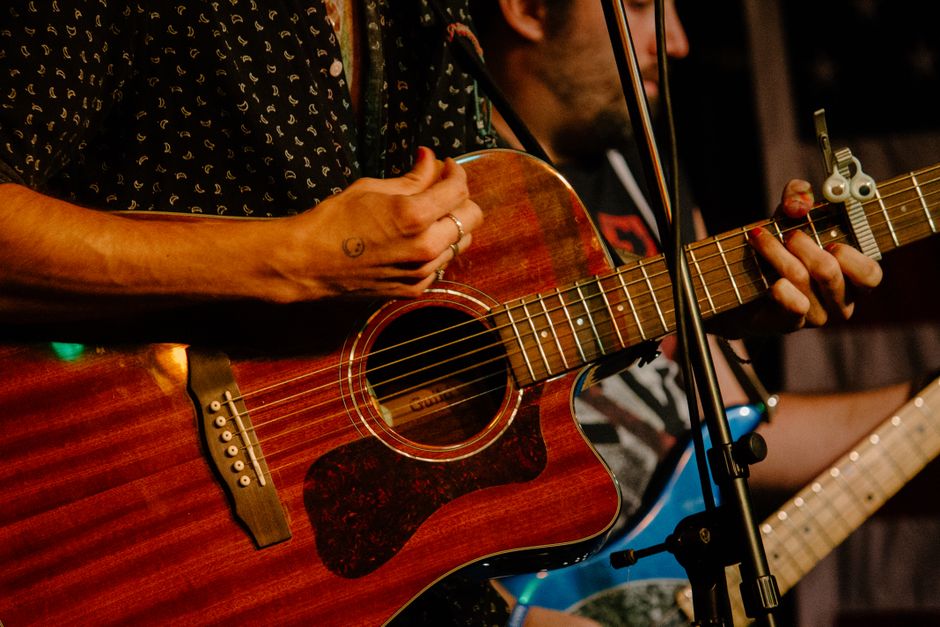
What remains constant is Boston's appetite for live performance. The scene that once relied on geography—Lansdowne Street's clustering effect—now operates as a dispersed network bridging traditional venues, digital platforms, and experimental pop-up spaces. For a city that built its cultural reputation on live music's intimacy, that adaptation may prove its greatest evolution yet.
This article was compiled by AI from the sources linked above and screened before publishing. See our editorial standards.