Boston's Fashion Renaissance: How Design Studios Are Redefining What It Means to Be a Hub City
From Seaport to Fort Point, a new generation of independent designers is turning the city into an unexpected nexus of American fashion innovation.
From Seaport to Fort Point, a new generation of independent designers is turning the city into an unexpected nexus of American fashion innovation.
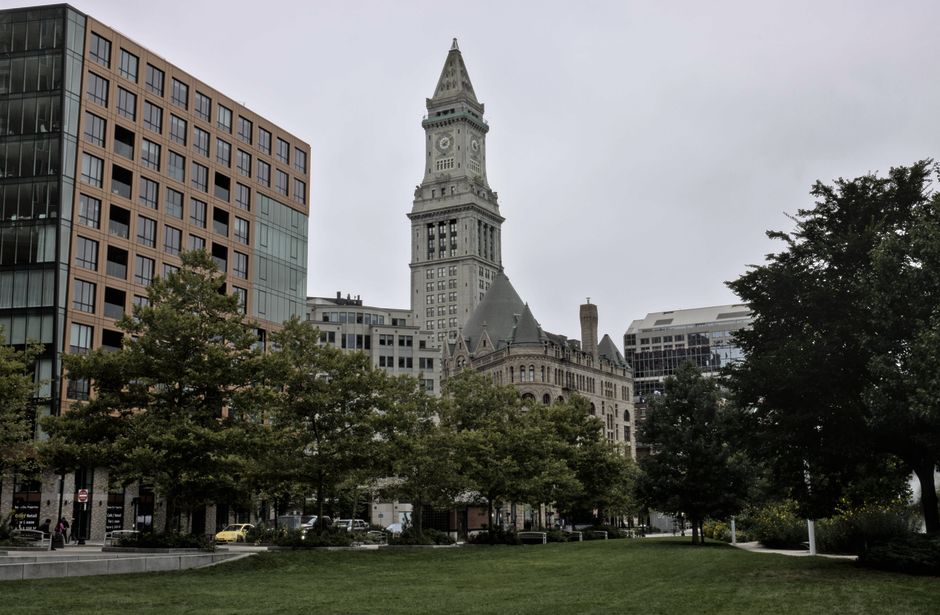
Walk through Fort Point Channel on any given Thursday evening, and you'll find the neighborhood's converted warehouse spaces humming with creative energy. Design studios have quietly become the backbone of Boston's cultural identity—less flashy than New York, more rooted than LA, but unmistakably shaping how the city sees itself.
The numbers tell the story. According to a 2025 Boston Foundation report on creative industries, fashion and textile design now accounts for over $340 million in annual economic output across Massachusetts, with the city proper representing roughly 40 percent of that figure. More tellingly, the creative workforce in fashion-adjacent fields has grown 23 percent since 2020, a surge driven almost entirely by independent designers choosing to stay—or move—here rather than chasing coastal gatekeepers.
The geographic shift matters. While luxury retail concentrates along Newbury Street, the real innovation happens in less obvious places: the Leather District's repurposed tannery lofts now house sustainable fashion collectives; the Seaport's design incubators attract emerging talent with affordable studio space; even Allston, long Boston's artist ghetto, has become a testing ground for experimental textile work and zero-waste production methods.
What distinguishes Boston's fashion culture is its alignment with the city's historical identity. This is, after all, a place built on manufacturing and material craft. That heritage—the leather workers, the textile mills of Lawrence and Lowell—isn't background noise. It's DNA. Contemporary designers here often foreground sustainability and quality in ways that feel authentic rather than performative, speaking to a local audience that values durability over disposability.
The cultural institutions have noticed. The Museum of Fine Arts expanded its contemporary fashion programming last year; the ICA regularly platforms local designers alongside international names. Meanwhile, smaller venues like the Cyclorama in the South End have become crucial exhibition spaces for emerging talent who might otherwise lack visibility.
This matters beyond the fashion world itself. Creative industries anchor neighborhoods, generate foot traffic, attract investment in ways that don't always show up in headline GDP figures. When a young designer chooses to build her brand in Boston rather than Manhattan, she's making a statement about the city's creative viability—and her choice inevitably influences others.
Boston's fashion renaissance isn't about competing with established capitals. It's about offering an alternative: a city where craft still means something, where independent practice feels possible, where a designer can build roots and community alongside a business. That's becoming Boston's most distinctive cultural asset.
This article was compiled by AI from the sources linked above and screened before publishing. See our editorial standards.
How does this story make you feel?
Spread the word
About this article
Published by The Daily Boston
Daily brief
Free, in your inbox before 7am. Weekdays.
More in culture