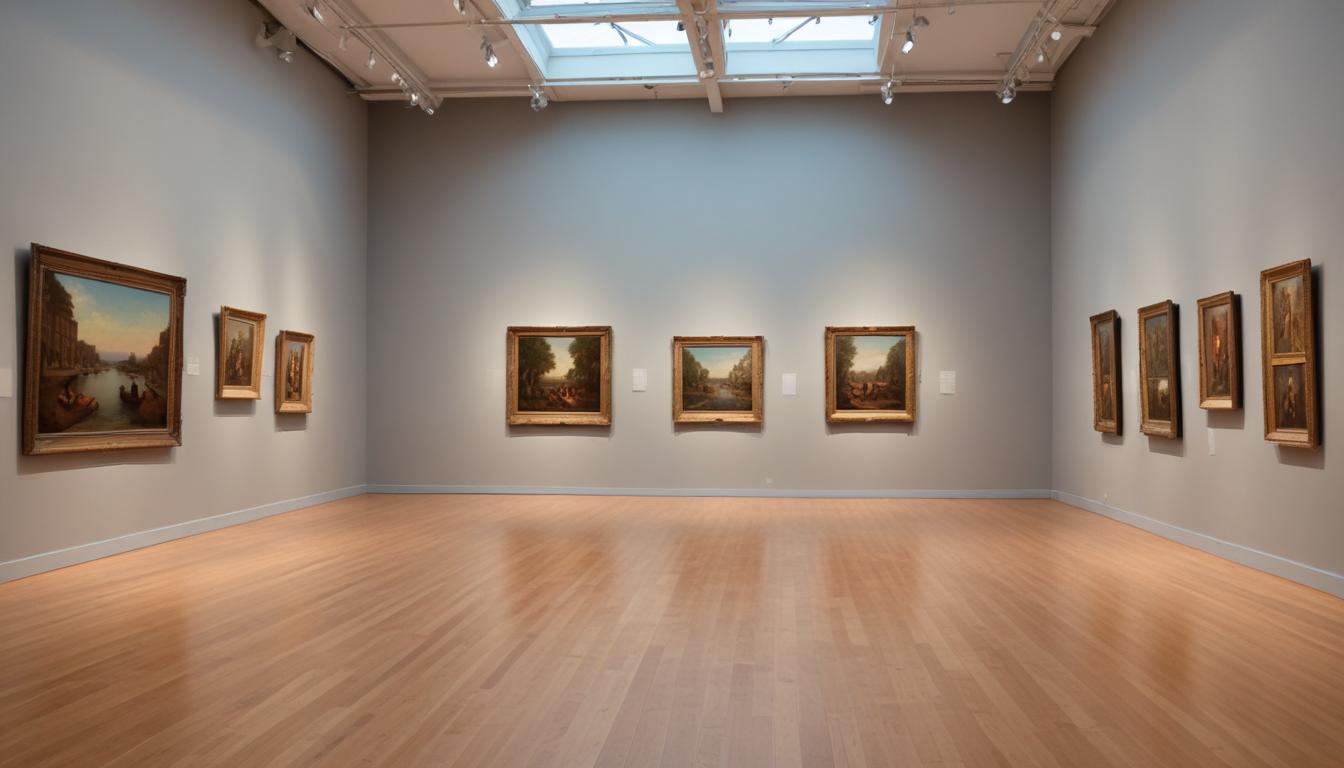
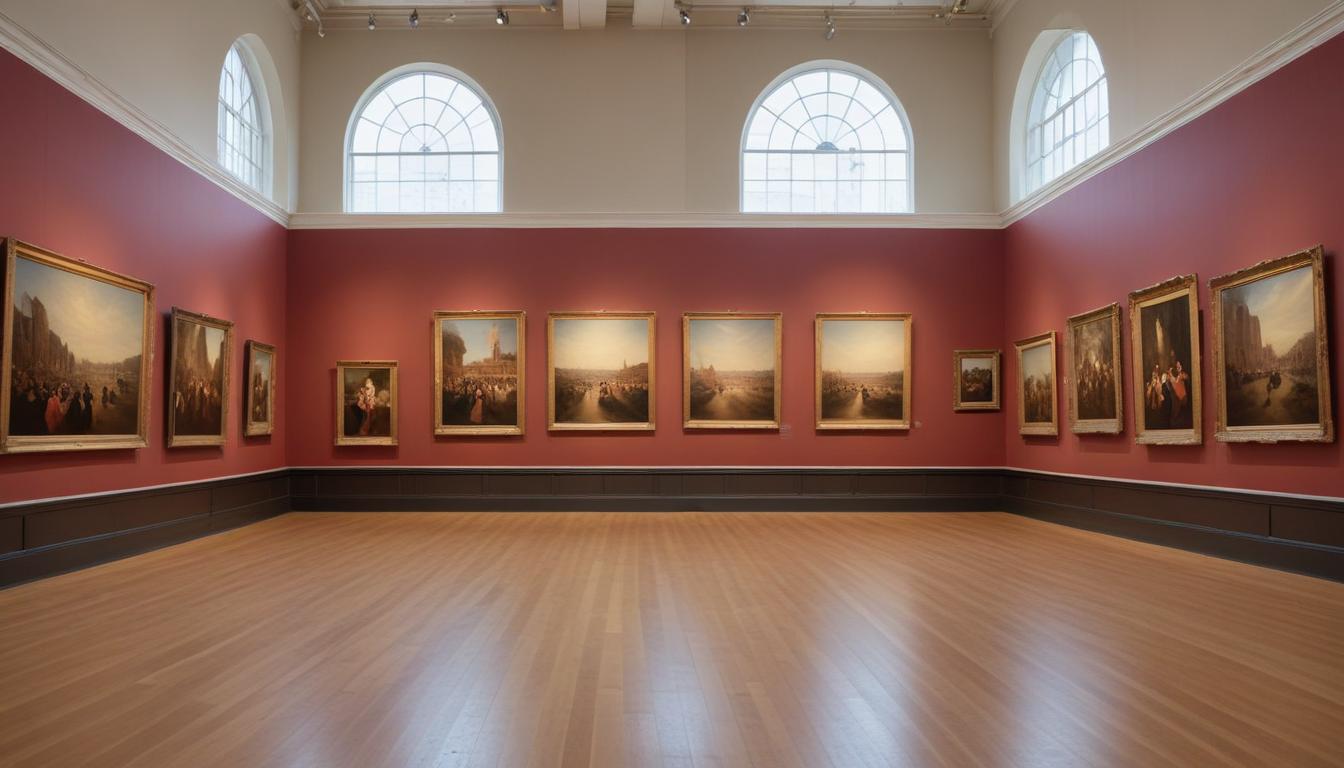
In 1986, Boston's gallery scene was a largely insular ecosystem. The Museum of Fine Arts anchored Huntington Avenue. The Isabella Stewart Gardner Museum remained a fortress of Brahmin taste in the Fenway. A handful of commercial galleries clustered on Newbury Street, catering to established collectors with deep pockets and conservative tastes. The South End had not yet emerged as a creative hub. Fort Point Channel was industrial wasteland.
Today's landscape would be unrecognizable to those gatekeepers. The South End now hosts over 80 galleries within a few blocks, anchored by informal artist collectives and scrappy independent dealers who've transformed the neighborhood into one of the Northeast's most dynamic art districts. Fort Point, once home to warehouses and parking lots, has become a destination for contemporary artists priced out of New York—with the Institute of Contemporary Art's stunning 2006 opening on Boston Harbor serving as both symbol and catalyst for that transformation.
The numbers tell the story: Boston's gallery count has roughly tripled since the late 1980s, with annual art fair attendance now exceeding 50,000 visitors. Younger institutions like Krakow Witkin and David Castillo Gallery have built international reputations without the institutional weight of their predecessors. Meanwhile, the MFA—which drew just 400,000 visitors annually in 1990—now welcomes over 800,000, with deliberately diversified programming.
The shift reflects broader demographic change. Boston's cultural institutions have begun actively collecting underrepresented artists and hosting exhibitions that acknowledge the city's Latino, Asian, African American, and LGBTQ+ communities—a stark contrast to the homogeneous canon of earlier decades. The Wentworth Institute's artist residency program, launched in 2004, has become a pipeline for emerging talent. Community galleries in Roxbury and Dorchester have sprouted where none existed before.
Yes, challenges persist: rents in the South End are climbing fast, threatening the affordability that drew artists there. Commercial pressures increasingly shape what gets shown. The pandemic accelerated digital transformation but also highlighted the irreplaceable value of physical spaces.
Yet walking from a cutting-edge contemporary gallery on Harrison Avenue to a community art center in Jamaica Plain to a centuries-old painting in the Gardner—all within a 20-minute radius—tells you something crucial about Boston's evolution. This city's art world has stopped looking backward.
This article was compiled by AI from the sources linked above and screened before publishing. See our editorial standards.