How a Seaport Studio Collective Became Boston's Quiet Fashion Revolution
Five years ago, a group of young designers transformed an abandoned shipping warehouse into a creative powerhouse—and now they're redefining how local fashion gets made.
Five years ago, a group of young designers transformed an abandoned shipping warehouse into a creative powerhouse—and now they're redefining how local fashion gets made.
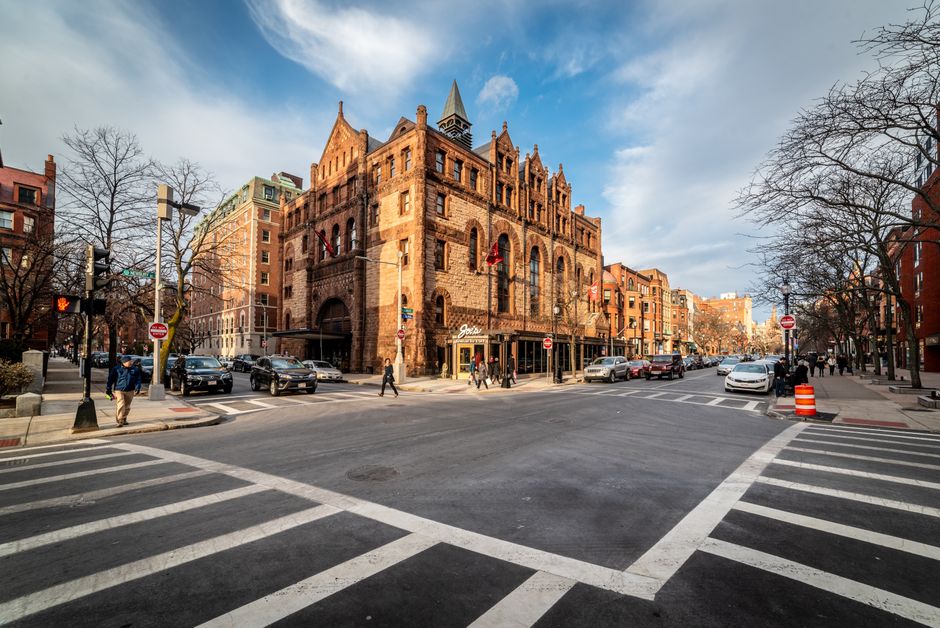
Walk down Sleeper Street on a Thursday evening, and you'll find them: designers hunched over sewing machines in an airy loft space that smells of industrial coffee and fresh fabric. The Loom Collective, a cooperative studio housed in a converted 1920s warehouse in Boston's Seaport District, has quietly become the city's most significant fashion incubator in a generation. What started in 2021 as five designers sharing a $3,400-per-month workspace has grown into a 28-person operation that's launched seven independent brands and generated an estimated $4.2 million in combined revenue last year.
The story of how this happened reveals something crucial about contemporary creative industries: success rarely follows the glossy fashion-week narrative. Instead, it's built by people willing to solve unglamorous problems together. When co-founder Elena Vasquez, who studied textile design at Massachusetts College of Art and Design, approached fellow designer Marcus Chen about sharing studio space in 2021, they faced the same constraint many Boston creatives do—rents in established fashion districts like the Back Bay had become prohibitive. A chance meeting at the Boston Design Week event connected them with property developer Sarah Nakamura, whose family owned an underutilized shipping warehouse. Within months, they'd negotiated a community lease agreement that kept monthly costs manageable.
The collective's ethos emerged from necessity. Unable to afford individual pattern-making specialists, production managers, or sample makers, members began sharing resources. A former Banana Republic production coordinator joined as a consultant. A textile technician from nearby fashion-adjacent Rhode Island Island started leading workshops. By 2023, the Loom had formalized what started as informal mentorship into a structured apprenticeship program—currently training eight young designers, 62 percent of whom identify as women or non-binary.
Today, the collective operates three separate revenue streams: member designer brands (including a swimwear line that sells exclusively through Newbury Street boutiques), contract manufacturing for smaller labels across New England, and educational programming through the Institute of Contemporary Art, which began featuring their work in 2024. Monthly open studio events now draw between 300 and 400 visitors, transforming the Seaport warehouse into an accidental cultural destination.
What makes this model genuinely Boston isn't the luxury branding—it's the pragmatism. These designers didn't wait for venture capital or establishment gatekeeping. They built infrastructure by recognizing that creative power, properly organized, can solve its own problems.
This article was compiled by AI from the sources linked above and screened before publishing. See our editorial standards.
How does this story make you feel?
Spread the word
About this article
Published by The Daily Boston
Daily brief
Free, in your inbox before 7am. Weekdays.
More in culture