From Gaslight to Gramercy: How Boston's Live Music Scene Evolved From Dive Bars to Global Destination
Three decades of transformation have turned a scrappy network of basement venues into one of America's most dynamic concert ecosystems.
Three decades of transformation have turned a scrappy network of basement venues into one of America's most dynamic concert ecosystems.
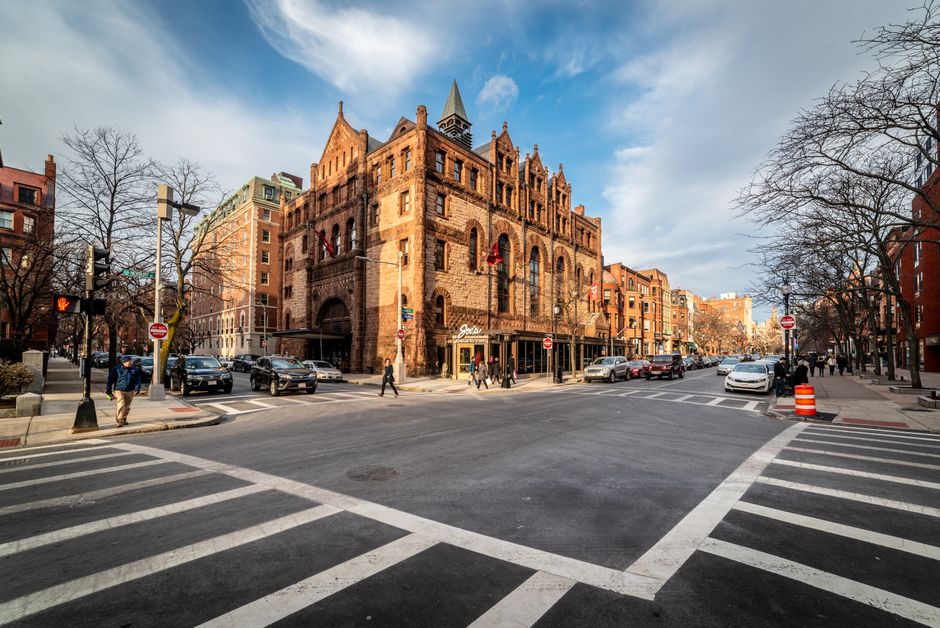
Walk down Lansdowne Street on a Friday night in 2026, and you'll encounter a landscape unrecognizable to anyone who frequented Boston's music venues in the 1990s. Where sticky-floored dive bars once hosted hungover college students and struggling local bands, sleek venues with state-of-the-art sound systems now attract international touring acts. Yet this evolution tells a story less about gentrification and more about resilience—and how a city's cultural identity can transform without losing its soul.
The modern Boston music scene traces its roots to the Lansdowne Street corridor and nearby neighborhoods like Allston and the Seaport. In the mid-1990s, venues like the Axis and The Rathskeller became laboratories for alternative rock and indie bands, operating on margins so thin that $8 cover charges were genuine lifelines. The House of Blues arrived in 1997, signaling a shift toward professionalization, though purists mourned the loss of authenticity.
The real seismic shift came in the 2000s. The Fillmore Boston opened in 2003, bringing 2,300-capacity sophistication to a scene accustomed to sweaty 400-person rooms. Paradise Rock Club, despite near-closure threats, reinvented itself as an essential mid-tier venue. These spaces created a crucial ladder: artists could graduate from the Middle East in Central Square to Paradise to the Fillmore to the 19,000-seat TD Garden—or vice versa, depending on career trajectory.
Boston's live music economy has expanded dramatically. According to recent industry data, the city now hosts over 1,200 ticketed music events annually across all venues, up from roughly 300 in 2000. Ticket prices have climbed accordingly—a typical show at Royale or Paradise now runs $35-$65, compared to the $10-$15 standard two decades ago—reflecting both inflation and increased production values.
The neighborhood geography has shifted too. While Lansdowne Street remains vital, the Seaport's TD Garden partnership and newer venues like MGM Music Hall have pulled audiences eastward. Meanwhile, Allston's grassroots scene persists, more precarious than ever, in basement spaces and converted storefronts.
What's remarkable is that Boston's music identity hasn't crystallized into a single sound. Unlike Nashville or Austin, this city resists easy categorization. The Middle East still hosts experimental electronic acts; the Wilbur hosts comedy-music hybrids; the Orpheum brings Broadway productions. This eclecticism—rooted in the chaotic diversity of the 1990s basement era—remains the scene's defining characteristic, even as the infrastructure supporting it has grown exponentially more sophisticated.
This article was compiled by AI from the sources linked above and screened before publishing. See our editorial standards.
How does this story make you feel?
Spread the word
About this article
Published by The Daily Boston
Daily brief
Free, in your inbox before 7am. Weekdays.
More in culture