Boston's Gallery Renaissance: How Museums and Independent Spaces Are Redefining the City's Identity
From Beacon Hill to the Seaport, the city's art institutions are shaping what it means to be Boston in 2026.
From Beacon Hill to the Seaport, the city's art institutions are shaping what it means to be Boston in 2026.
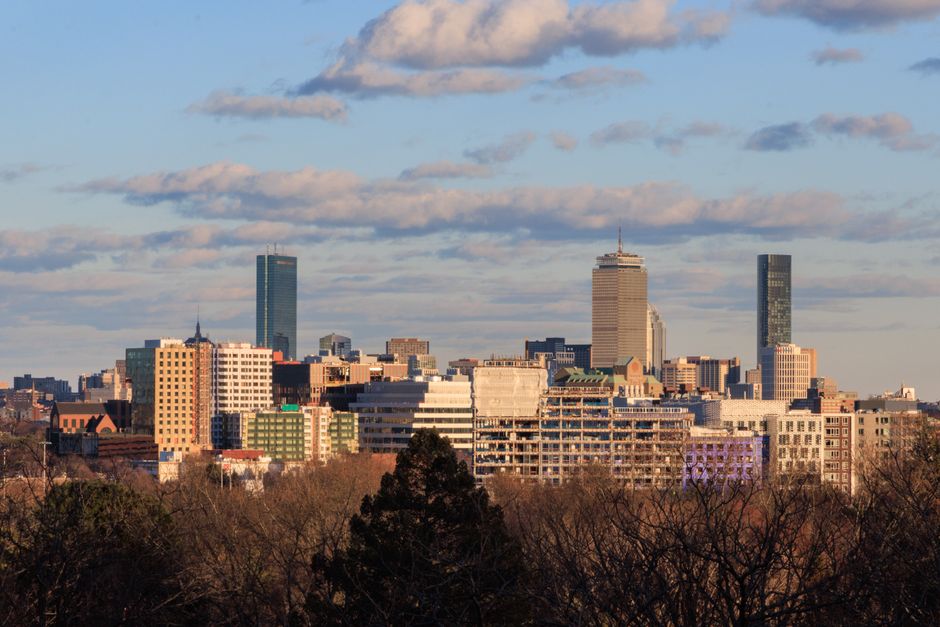
Walk through the Isabella Stewart Gardner Museum's Venetian-inspired courtyard on a June afternoon, and you'll encounter something distinctly Boston: a city confidently writing its own cultural narrative, one gallery opening at a time.
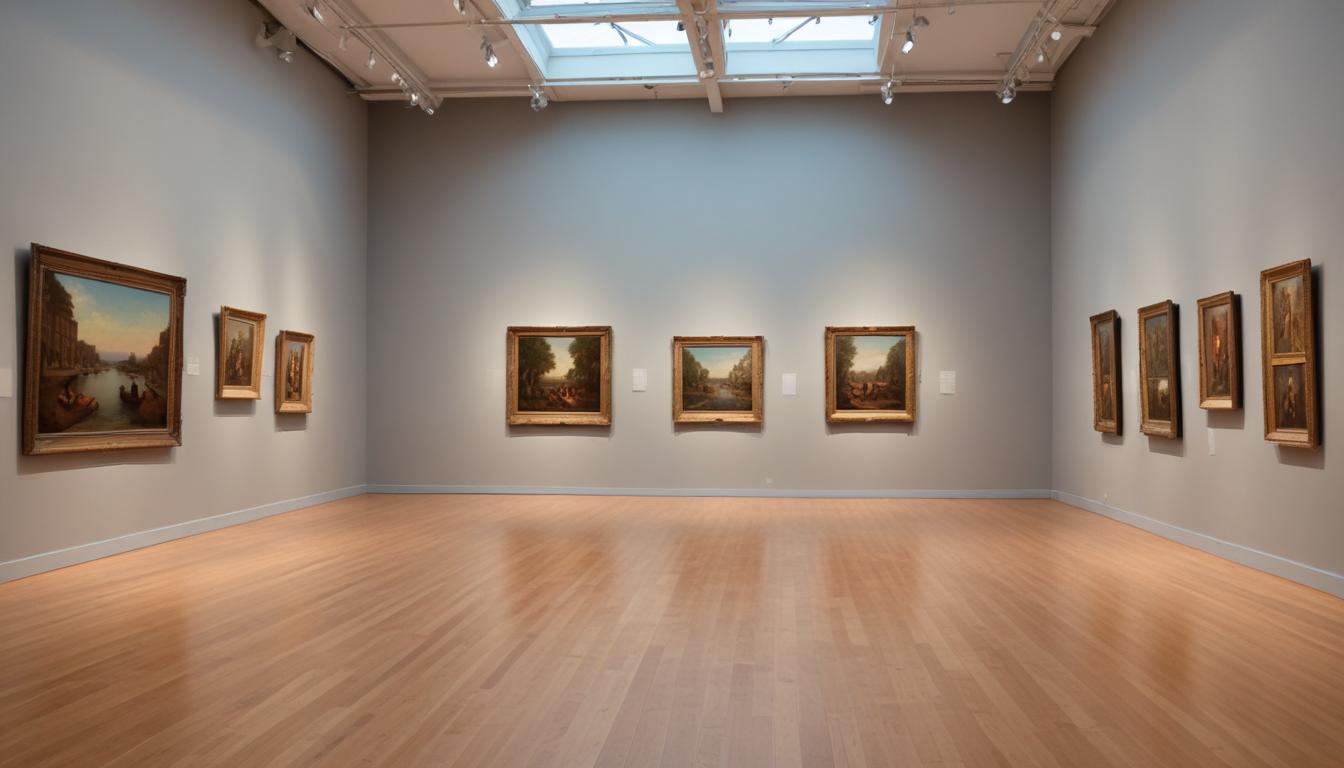
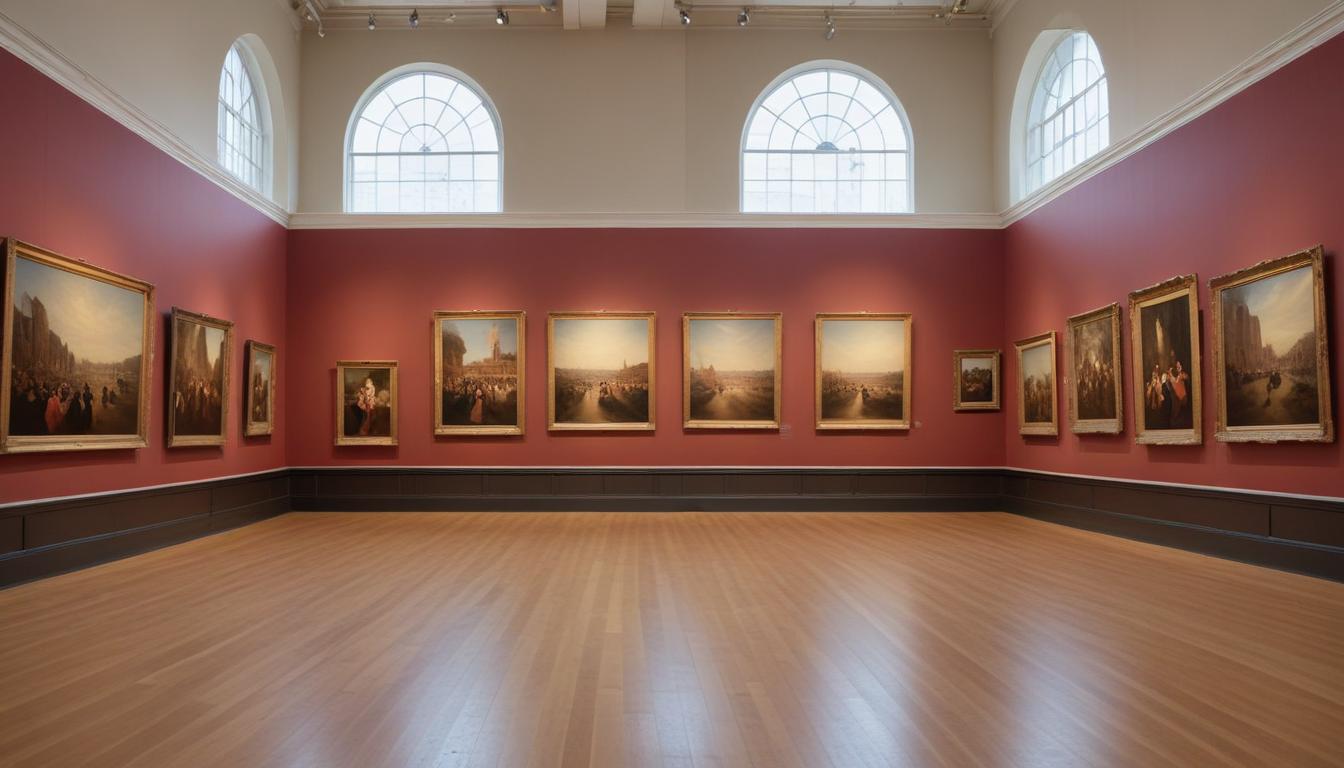
The past two years have marked a significant shift in how Boston sees itself artistically. The Museum of Fine Arts' recent $350 million expansion—completed in 2024—stands as physical proof of this reorientation. But the real story isn't just about institutional grandeur. It's about how smaller galleries, artist collectives, and neighbourhood spaces are democratizing what "Boston culture" means across the city's diverse communities.
The South End's gallery corridor has exploded. Establishments along Thayer Street and Columbus Avenue now rival New York's Chelsea in terms of foot traffic, with galleries like those housed in converted brownstones drawing crowds to monthly First Friday events. Meanwhile, artist-run spaces in Jamaica Plain and Roxbury—once overlooked—are becoming essential cultural anchors, showcasing work that reflects the city's actual demographic composition rather than its historical gatekeeping.
Data tells part of the story. Boston's gallery and museum sector employed over 6,400 people in 2025, according to the Creative Economy Report. That's up 18% from 2022. The Institute of Contemporary Art on the Seaport, with its striking glass facade overlooking the harbour, has become not just a museum but a symbol of how the city is reshaping itself around accessibility and innovation.
What's particularly striking is how these institutions are moving away from the "ivory tower" model. Free admission nights have become standard. The MFA's permanent collection is free for Massachusetts residents—a policy that reflects changing priorities about who gets to claim cultural ownership in Boston.
The Harrington Institute and Northeastern's cultural spaces have also accelerated this trend, with emerging artists finding exhibition opportunities that bypass traditional gatekeepers. Young creatives are staying in Boston rather than migrating to New York, citing affordable studio spaces in Somerville and Cambridge alongside strengthening gallery networks.
This isn't without tension. Rising rents threaten smaller galleries even as major institutions prosper. But the resilience is notable. Boston's creative identity—long defined by Brahmin institutions and academic prestige—is becoming genuinely plural. It's more reflective of who actually lives here: immigrants, people of colour, queer artists, working-class creators.
In 2026, Boston's galleries and museums aren't just displaying art. They're actively constructing what the city believes about itself. And for the first time, that story is being told from the inside out, not imposed from above.
This article was compiled by AI and screened before publishing. See our editorial standards.
How does this story make you feel?
Spread the word
About this article
Published by The Daily Boston
Daily brief
Free, in your inbox before 7am. Weekdays.
More in culture