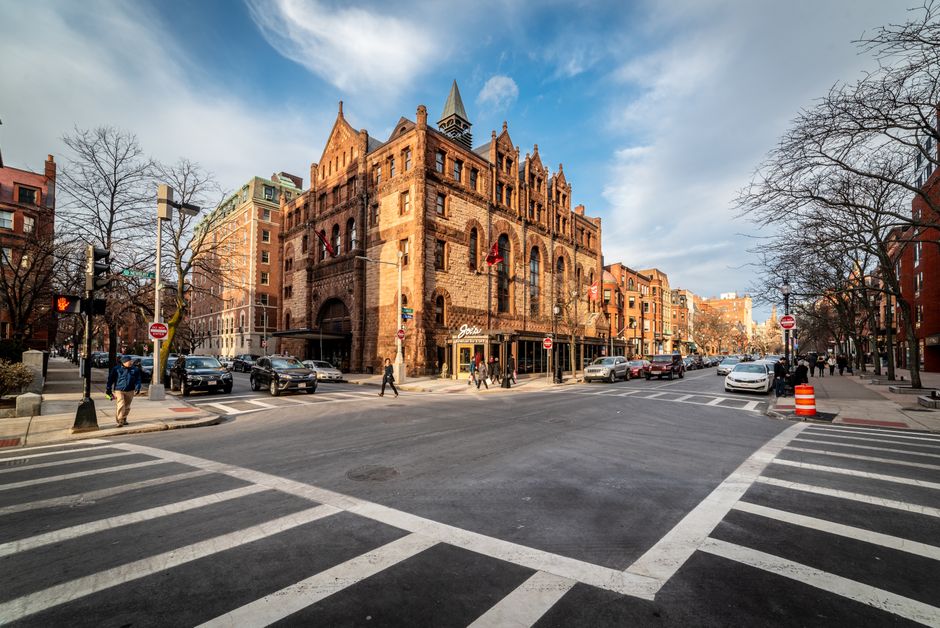
Walk down Hanover Street in the North End or stroll through Fort Point Channel these days, and you'll notice something has shifted. The frantic energy of pre-pandemic dining culture—reservation apps, influencer-packed openings, tables designed for photographs—has quietly ceded ground to something grittier and more deliberate.
Boston's restaurant and bar landscape is undergoing a notable realignment in mid-2026. Independent operators are clustering around hyperlocal sourcing, smaller seating capacities, and neighborhood loyalty programs. Three major restaurant groups have shuttered satellite locations across the Seaport since January, while single-operator venues in Jamaica Plain, Roslindale, and the Allston corridor have expanded. The shift reflects both economic pressures and a genuine recalibration of what Boston diners actually want post-inflation.
"We're seeing restaurants treat their neighborhoods like stakeholders," explains the Northeast Restaurant Association, which tracks roughly 4,200 food service establishments across Greater Boston. "Operators are investing in relationships over transaction volume."
Consider what's happening on Newbury Street versus Dorchester Avenue. While Newbury's traditional fine-dining corridor has contracted, Dorchester's working-class neighborhood has become an unexpected hub for ambitious culinary experimentation. New spots emphasize 30-seat dining rooms, family-style service, and menus that shift weekly based on what's available from local farms within a 50-mile radius. Prices hover between $45–$65 per person, significantly below comparable Beacon Hill establishments.
The bar culture is similarly transformed. Craft cocktail density has plateaued, but craft beer bars and natural wine shops—many stocked by independent importers—are proliferating. Venues like those clustered around the Greenway and along Charles Street are doubling down on neighborhood regulars, hosting recurring wine tastings and building mailing lists instead of chasing TikTok virality.
What's driving this? Rising commercial rents, labor costs, and post-pandemic disillusonment with volume-based models. But there's also a philosophical dimension. Boston's increasingly diverse neighborhoods are demanding restaurants that reflect their actual communities—not aspirational versions designed for out-of-towners.
The talking point among Boston's food industry right now isn't about the next hot opening in Seaport. It's about whether independent operators can sustain this neighborhood-first model while competing against corporate consolidation. For diners, though, it means better access to genuinely local food culture—if you know where to look.
This article was compiled by AI from the sources linked above and screened before publishing. See our editorial standards.