From Brass Bands to Blockchains: How Boston's Festival Scene Became a Cultural Powerhouse
The city's event calendar has transformed from neighbourhood parades to world-class programming—here's how we got here.
The city's event calendar has transformed from neighbourhood parades to world-class programming—here's how we got here.
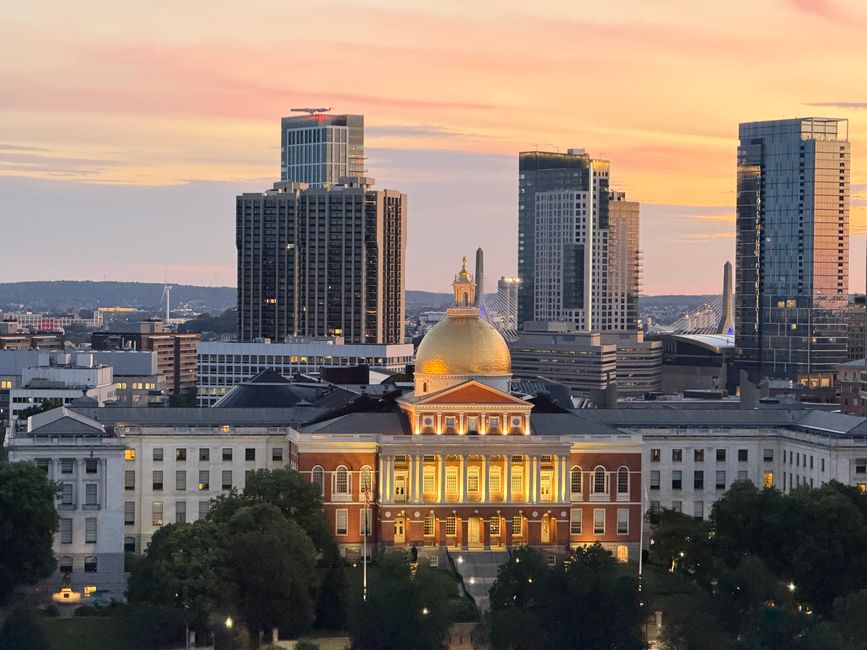
Walk through Boston Common on any summer weekend and you'll encounter the remnants of a century-old tradition: brass bands, food trucks, and thousands of locals celebrating their heritage. But the festivals and events landscape that now defines our city looks radically different from what it did just two decades ago.
The evolution began with basics. The Boston Harborfest, launched in 1973 on the waterfront near the New England Aquarium, started as a modest Independence Day celebration. Today it draws 500,000 visitors annually and has spawned a dozen satellite events. Meanwhile, the neighbourhood festivals—Italian Feasts in the North End, the Puerto Rican Festival in Jamaica Plain, Caribbean events across Dorchester—remain cultural cornerstones, though they've modernised considerably. Where vinyl records once played from portable speakers, now sophisticated sound systems broadcast across multiple blocks.
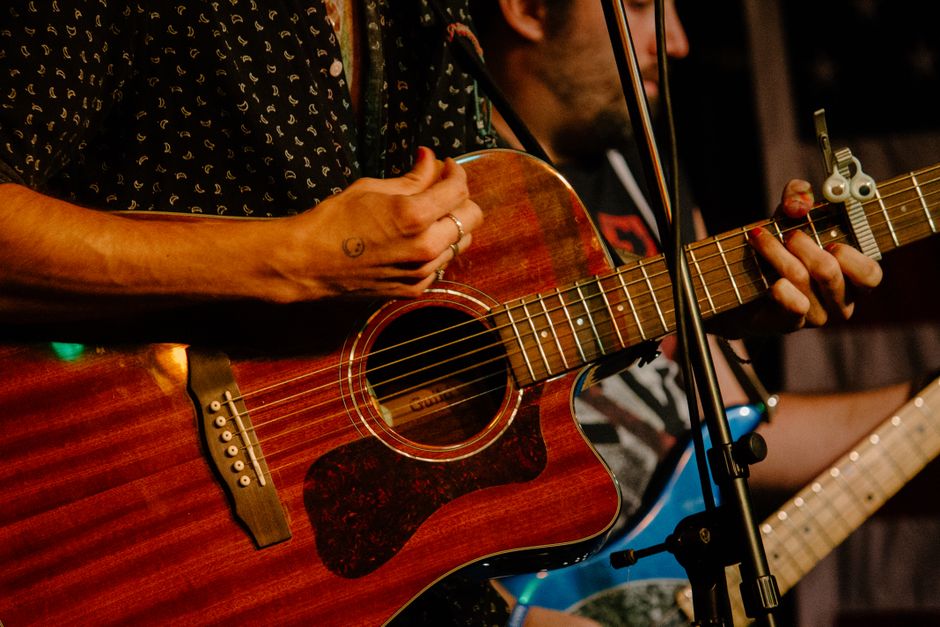
The real transformation accelerated after 2010. Major institutions began weaponising their calendars. The Museum of Fine Arts' summer concert series evolved from modest weekend programming into the city's most competitive ticket draw. The Boston Calling Music Festival, launched in 2013 in City Hall Plaza, became a flagship event, grossing an estimated $8 million annually and establishing Downtown as an entertainment destination beyond business hours.
The Infrastructure Investment and Jobs Act of 2021 accelerated development along the Greenway, fundamentally changing how festivals could operate. Rose Kennedy Greenway events now anchor the spring and summer calendar: the Greenway Conservancy's outdoor cinema series, farmers markets in three neighbourhoods, and pop-up programming that transforms underutilised urban space into community gathering grounds.
Perhaps most significantly, technology democratised event creation. Where festivals once required city permits and major institutional backing, Instagram and Eventbrite enabled grassroots organisers to launch niche gatherings: craft beer festivals in Allston, electronic music events in Warehouse District lofts, drag brunches that fill Back Bay restaurants. The Boston event calendar now includes 800-plus registered festivals and recurring events annually—a 340% increase since 2005.
Yet challenges persist. Rising venue costs, post-pandemic attendance anxiety, and climate concerns have forced difficult conversations about sustainability. The 2025 Boston Calling relocated from City Hall Plaza entirely due to flooding risks, now splitting between the Seaport and Lansdowne Street venues.
What's clear is this: Boston's festival scene reflects the city itself—rooted in tradition, democratised by access, and constantly negotiating between heritage and innovation. The neighbourhood parade hasn't disappeared. It's simply been joined by hundreds of siblings.
This article was compiled by AI from the sources linked above and screened before publishing. See our editorial standards.
How does this story make you feel?
Spread the word
About this article
Published by The Daily Boston
Daily brief
Free, in your inbox before 7am. Weekdays.
More in culture