How a Band of Artists Transformed Fort Point Into Boston's Creative Heartland
The visionaries behind the neighborhood's street art renaissance reveal how grit, community organizing, and tactical interventions rewrote the district's identity.
The visionaries behind the neighborhood's street art renaissance reveal how grit, community organizing, and tactical interventions rewrote the district's identity.
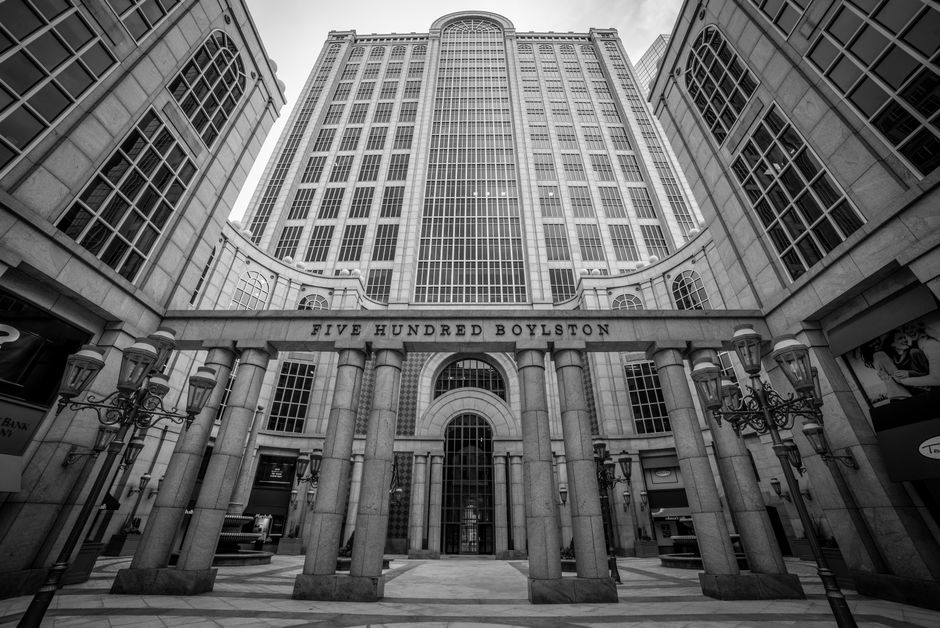
Walk along A Street in Fort Point Channel today and you'll see a kaleidoscope of murals, wheat-paste installations, and elaborate piece work that draws international street art enthusiasts to Boston's gritty waterfront. But fifteen years ago, this stretch was primarily known for decay and neglect—a landscape of blank warehouse walls and crumbling infrastructure.
The transformation didn't happen by city mandate or corporate investment. It emerged from a loose coalition of Boston-based visual artists who saw potential where others saw blight. Starting around 2011, artists began organizing informal "paint days," recruiting volunteers and negotiating permission from property owners to activate unused walls. What began as weekend studio sessions evolved into a deliberate strategy to establish Fort Point as a destination for contemporary street culture.
The shift coincided with rising rents in Cambridge and Somerville's arts scenes. Artists priced out of traditional creative hubs migrated south, drawn by Fort Point's relatively affordable studio spaces—ranging from $400 to $800 monthly for shared industrial lofts—and sympathetic landlords willing to embrace unconventional tenants. Between 2012 and 2018, the Fort Point Arts Community grew to encompass over 150 active artists, many specializing in mural work, installation, and experimental media.
Organizations like the Fort Point Channel Landmark Commission and the Boston Paint & Sip collective became crucial infrastructure, mediating between artists and property managers, managing public art permissions, and documenting the evolving landscape. The Channel Gallery and nearby artist-run spaces on Melcher Street became informal exhibition venues where street artists could present finished work in formal contexts.
The economic impact has been substantial. Real estate values in Fort Point have climbed steadily, with median commercial rents rising approximately 40% since 2015. Yet the neighborhood's street art character persists, partly because early-stage artists continue rotating through the district, and partly because the artist networks that built the scene retain enough collective leverage to shape its aesthetic direction.
Today, Fort Point attracts around 120,000 annual visitors to its street art corridor alone, according to informal estimates by the Fort Point Channel Business Association. Instagram tourism has amplified the district's profile beyond Boston, with specific murals—particularly the large-scale collaborative pieces on Atlantic Avenue—generating substantial social media circulation.
What makes Fort Point's story distinctive isn't the art itself, but the fact that artists themselves controlled its creation and direction, rather than following a top-down urban design framework. That grassroots legacy continues shaping the neighborhood's identity, even as development pressures mount.
This article was compiled by AI and screened before publishing. See our editorial standards.
How does this story make you feel?
Spread the word
About this article
Published by The Daily Boston
Daily brief
Free, in your inbox before 7am. Weekdays.
More in culture