When the Boston Harborfest launched in 1976 as a grassroots Independence Day celebration along the Harborwalk, few anticipated it would become the template for a cultural ecosystem that now draws hundreds of thousands annually. What started as community volunteers stringing lights between Atlantic Avenue storefronts has matured into a sophisticated network of festivals that reflect Boston's changing identity.
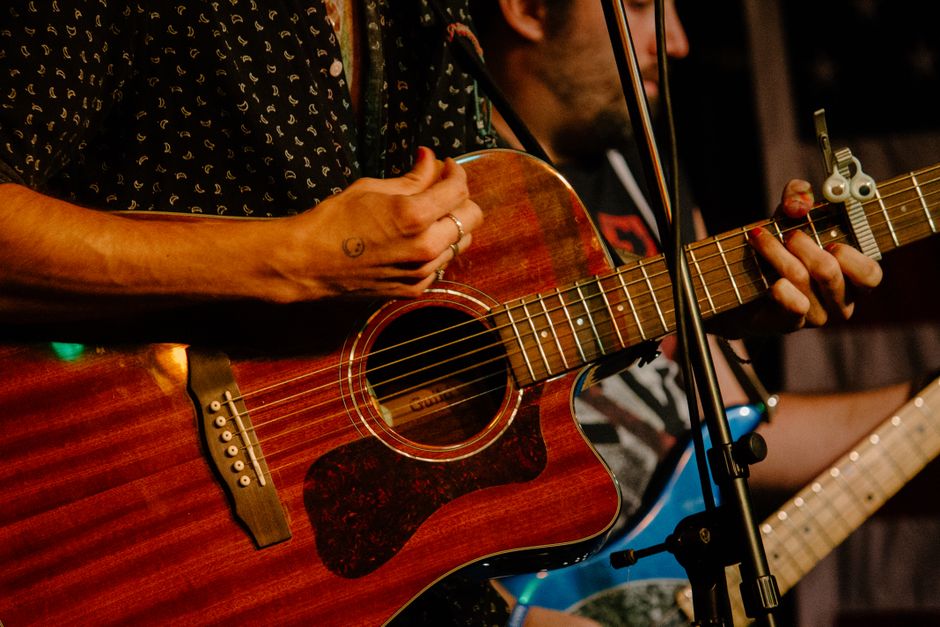
The 1980s and '90s saw explosive growth. The Boston Jazz Festival (now Boston Calling) emerged from informal performances at Christopher Columbus Park, while neighbourhood institutions like the North End Feast of San Anthony—rooted in Italian-American traditions dating back to the 1920s—gained municipal support and expanded programming. By the early 2000s, the city had recognized festivals as economic anchors, with organizations like the Mayor's Office of Arts and Culture formalizing grant structures and sponsorship pathways.
Today's calendar reflects a different Boston. The Waterfront Summer Concerts Series now features international acts across multiple venues from Fort Point Channel to Long Wharf. Cambridge Carnival, launched in 2012, celebrates the city's Cape Verdean diaspora—a community now numbering over 30,000 in Greater Boston. The Boston Veggie Pride Parade, established in 2000, signals how festivals have become vehicles for identity affirmation beyond the traditional cultural ceremonies.
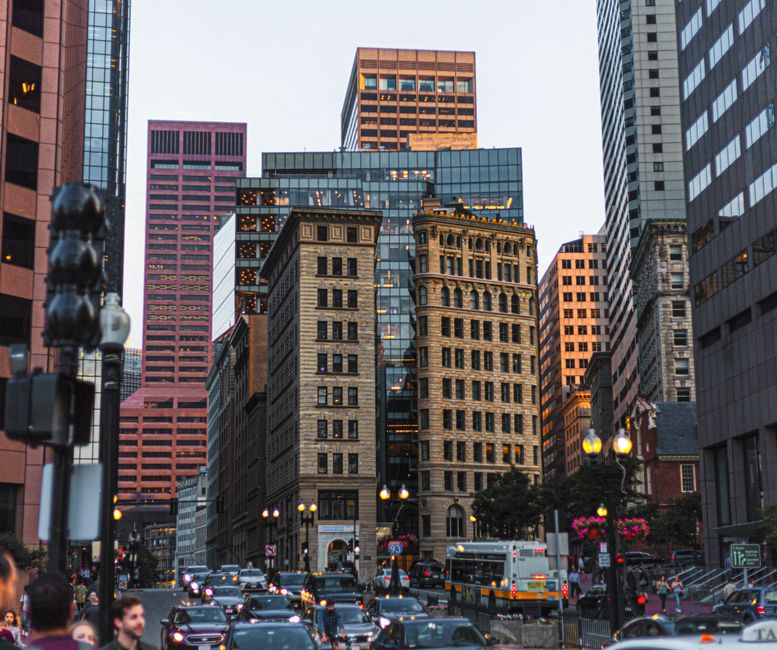
What's most striking is geographic distribution. Where festivals once clustered downtown and along the water, they now activate neighbourhood centres: the Allston Music Festival draws 50,000+ to Commonwealth Avenue; the Jamaica Plain Music Festival transforms Centre Street into a three-day performance space; the Dorchester Day parade extends across Dorchester Avenue for nearly three miles. This decentralization represents genuine cultural investment across the city's fabric.
The economics have shifted too. A 2023 Boston Foundation study found that major festivals generate approximately $200 million in visitor spending annually. Yet this professionalization has created tensions. Long-time organizers note rising insurance costs and venue rental fees have squeezed smaller, community-initiated events. Some blame the corporatization of Boston Calling's expansion; others argue it's simply the cost of growth.
As summer 2026 unfolds with familiar stalwarts—Harborfest drawing crowds this month, the Indigenous Peoples' Day celebration expanding in October—the question haunting arts leaders is whether Boston's festival culture can remain rooted in community voice while sustaining professional production values. The city that once celebrated summer casually now counts on those celebrations to define its global cultural standing.
This article was compiled by AI from the sources linked above and screened before publishing. See our editorial standards.