Boston's Fashion Rebels: Meet the Emerging Designers Reshaping the City's Creative Future
A new generation of local talent is turning Seaport studios and Fort Point lofts into unexpected powerhouses of design innovation.
A new generation of local talent is turning Seaport studios and Fort Point lofts into unexpected powerhouses of design innovation.
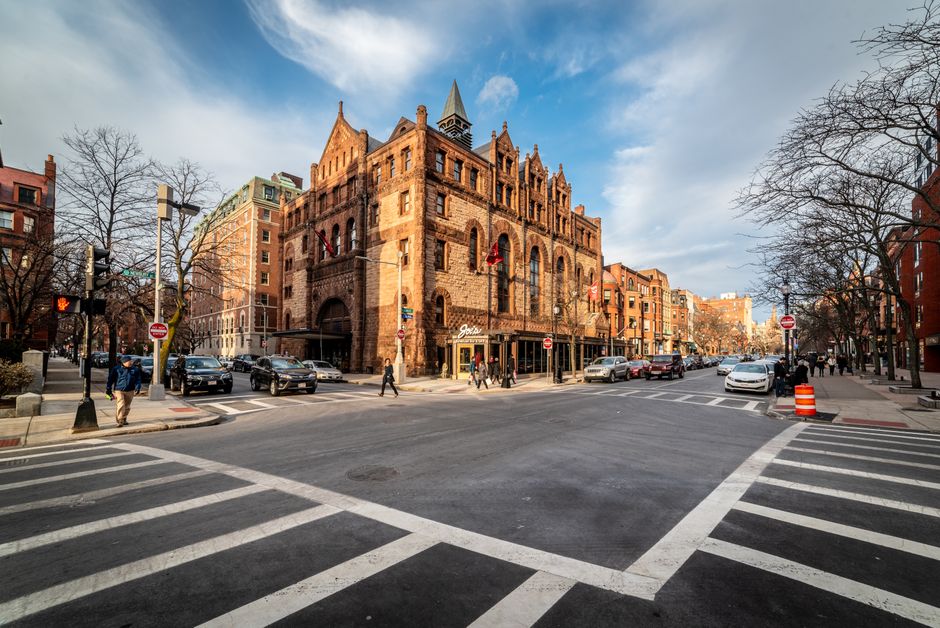
Walk through the Fort Point Channel corridor on any given Thursday evening, and you'll encounter a creative ferment that rivals cities twice Boston's size. Emerging fashion designers are clustering in converted warehouses and modest studios across the neighborhood, their work signaling a generational shift in how the city thinks about style, sustainability, and creative entrepreneurship.
The movement reflects broader changes in Boston's creative economy. According to the Boston Foundation's 2025 Arts & Culture Impact Report, the fashion and design sector has grown 34% in five years, with artists under 35 now representing nearly 40% of the workforce. More significantly, these designers are deliberately staying put—rejecting the traditional pipeline to New York or Los Angeles.
South End boutiques like those clustered around Tremont Street have begun dedicating floor space to local makers, while the Seaport's emerging gallery district—anchored by converted maritime buildings—has become an unexpected runway for experimental work. Several designer collectives have formed around Fort Point's artist-friendly leasing policies, with monthly open studios drawing crowds of 500-plus visitors seeking direct access to creators.
What distinguishes this wave is its fierce commitment to sustainability and community-driven design. Unlike previous Boston fashion moments, which often mimicked East Coast prep aesthetics, today's emerging voices are drawing from the city's immigrant neighborhoods, its robust university design programs, and its growing consciousness around ethical production. Several young designers have established production facilities in nearby Dorchester and Roxbury, deliberately building local supply chains rather than outsourcing.
The economics matter too. Studio space in Fort Point averages $18-24 per square foot annually—considerably cheaper than Brooklyn or San Francisco—allowing designers to invest in quality materials and experimentation rather than inflated real estate. This affordability has proven crucial for designers of color and those from working-class backgrounds, populations historically excluded from fashion's upper echelons.
Institutional support is coalescing around this moment. MassArt and Northeastern's design programs have launched fellowship initiatives pairing emerging talent with established brands. The Boston Fashion Innovation Fund, launched in 2024, has distributed nearly $800,000 to young designers, with particular emphasis on sustainable production practices.
This isn't about Boston becoming a fashion capital in the traditional sense. Rather, these designers are building something distinctly local—rooted in the city's values, its neighborhoods, and its working-class ethos. That authenticity, increasingly rare in an homogenized global fashion landscape, may prove to be Boston's most valuable export.
This article was compiled by AI from the sources linked above and screened before publishing. See our editorial standards.
How does this story make you feel?
Spread the word
About this article
Published by The Daily Boston
Daily brief
Free, in your inbox before 7am. Weekdays.
More in culture