Boston's Restaurant Scene Is Being Reshaped by Diaspora Chefs—Here's What You Need to Know
A wave of immigrant-led establishments across the city is redefining what 'Boston food' means, and locals are finally paying attention.
A wave of immigrant-led establishments across the city is redefining what 'Boston food' means, and locals are finally paying attention.
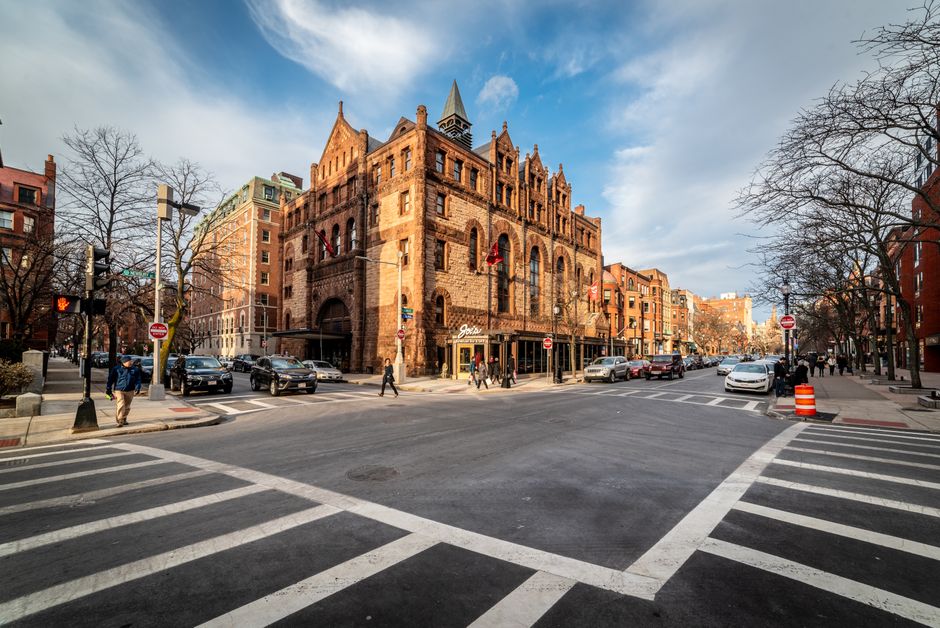
Walk through Jamaica Plain or Eastie these days and you'll notice something shifting beneath the surface of Boston's food culture. The conversation isn't about another elevated New England gastropub or a Michelin-star chase—it's about authenticity, community ownership, and the stories that arrive on the plate.
This summer, the momentum building among diaspora-led restaurants has reached a tipping point. From Cape Verdean spots in Roxbury to increasingly prominent Venezuelan establishments alongside the city's longstanding Portuguese communities, chefs are opening restaurants that reflect who actually lives in Boston. Recent international headlines highlighting diaspora communities have coincided with a local reckoning: Boston's restaurant renaissance is being driven by immigrant entrepreneurs who've been here all along, finally gaining visibility and capital.
The numbers tell part of the story. According to the Greater Boston Food Bank's latest community report, nearly 40% of residents in neighborhoods like Dorchester and Jamaica Plain identify as first-generation immigrants. Yet for years, restaurant investment clustered in Back Bay and the Seaport. That's changing. New establishments on Blue Hill Avenue, Centre Street, and along Hanover in the North End are getting attention from both food writers and regular Bostonians tired of the same narrative.
What makes this moment different is infrastructure. Community organizations like the Food Project and emerging immigrant-focused business accelerators are providing mentorship and funding pathways that didn't exist five years ago. Several restaurants that opened in the past eighteen months report backing from local impact investors specifically interested in equity-focused food enterprises.
Prices remain accessible—most new spots on residential thoroughfares price entrees between $12 and $18, a stark contrast to downtown establishments. This affordability, combined with the cultural authenticity locals have been seeking, explains why neighborhoods are buzzing. Instagram aside, people are eating where they feel represented.
The broader context matters too. As global instability reshapes migration patterns, Boston's immigrant communities are establishing deeper roots and investing in permanent institutions. Restaurants function as cultural anchors—they're where communities gather, where heritage becomes tangible, where economic power consolidates locally.
For food writers and restaurant critics, the assignment has evolved. Coverage increasingly demands understanding diaspora identity, not just plating technique. Boston's food scene, long dominated by a narrow narrative, is finally reflecting the city's actual composition. That's not a trend—it's a correction, and locals are watching closely to see who tells these stories next.
This article was compiled by AI and screened before publishing. See our editorial standards.
How does this story make you feel?
Spread the word
About this article
Published by The Daily Boston
Daily brief
Free, in your inbox before 7am. Weekdays.
More in culture