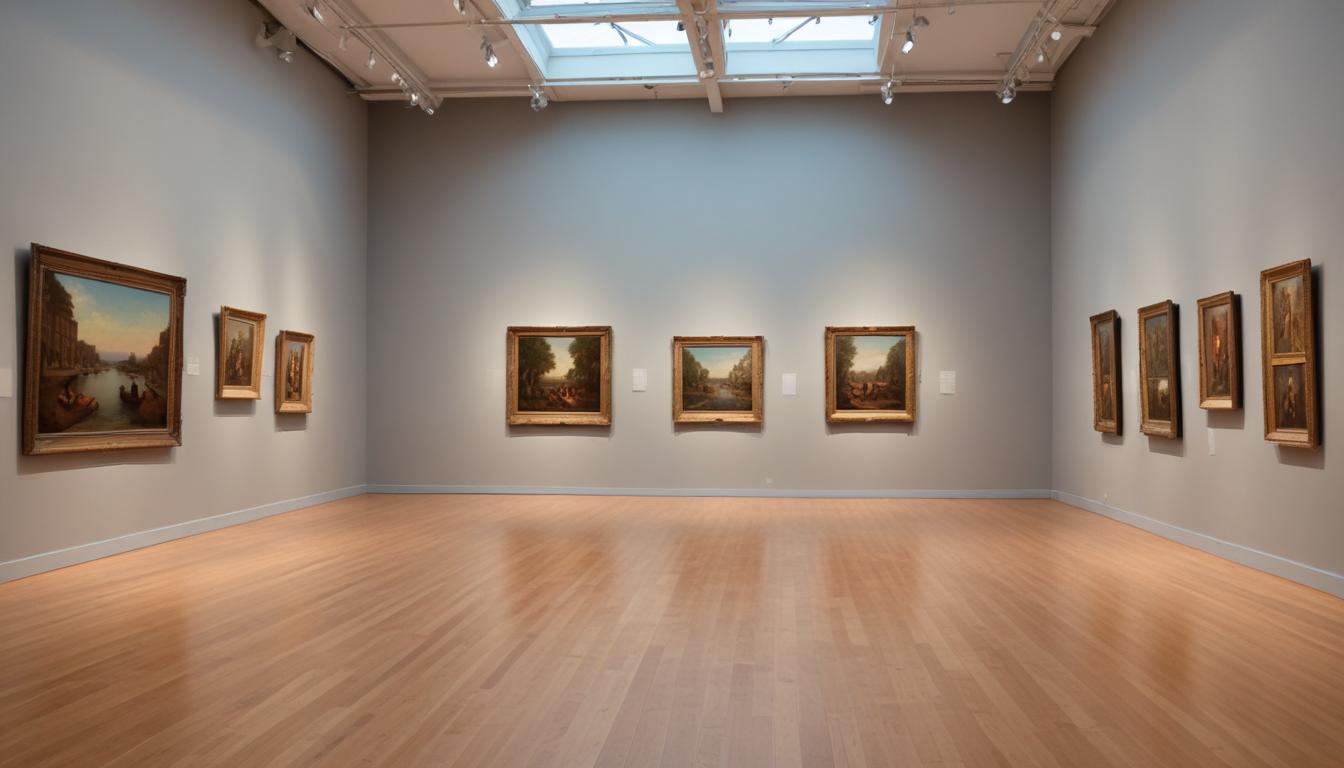
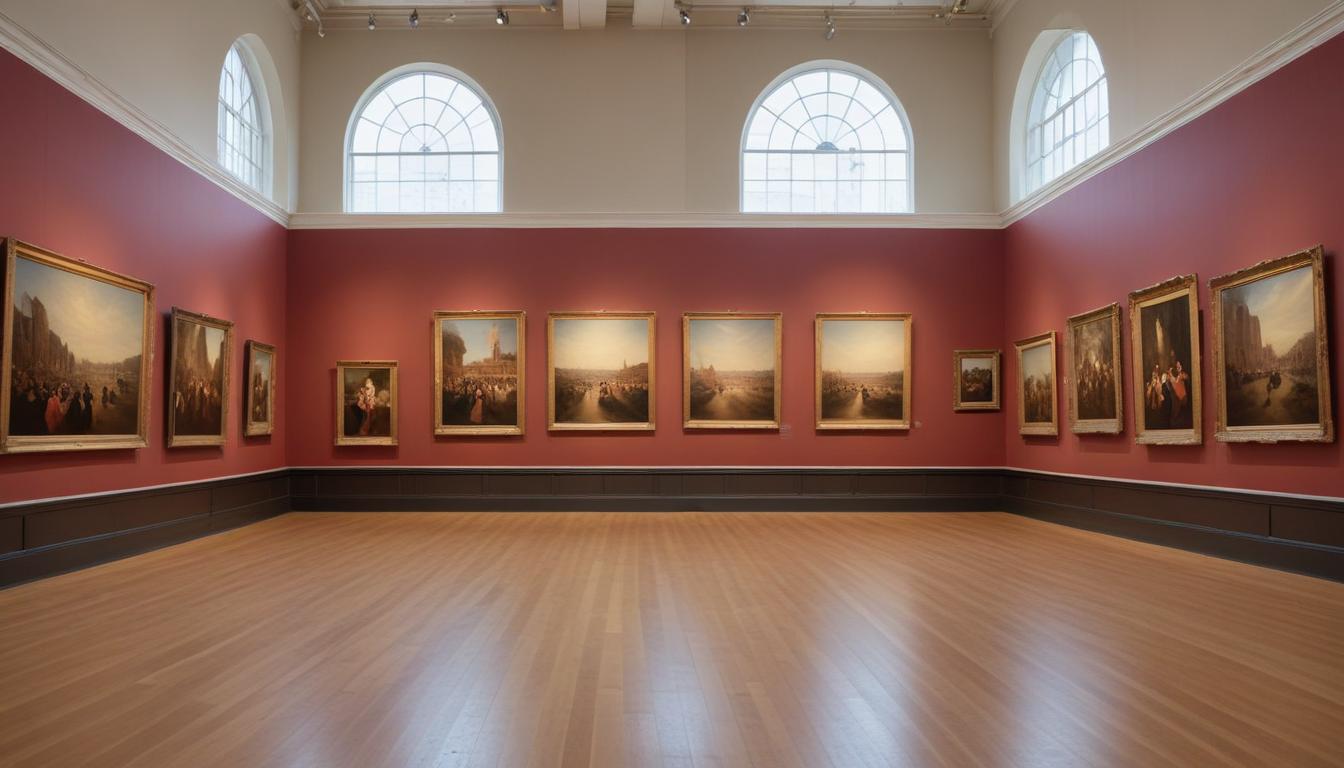
Walk down Hanover Street in the North End or venture into Fort Point Channel's gallery district, and you'll notice something has shifted in Boston's cultural infrastructure. The institutional grip that once defined the city's art world—dominated by the MFA and Isabella Stewart Gardner Museum—is loosening. In its place, a decentralized movement of community-driven galleries, artist collectives, and nonprofit spaces is fundamentally reshaping how Bostonians engage with visual culture.
This democratization began quietly but has accelerated dramatically over the past three years. The Zucker Building on Hanover Street now hosts rotating exhibitions from emerging artists rather than functioning solely as office space. Across the harbor, Fort Point's gallery scene—traditionally a refuge for established names—now makes room for first-generation artist collectives. Meanwhile, Jamaica Plain's thriving cultural corridor has expanded beyond Bromfield Art Gallery to include at least a dozen new independent artist-run spaces, many operating on shoestring budgets and volunteer labor.
The numbers tell part of the story. According to recent research from the Boston Foundation, community-organized cultural events in neighborhoods outside downtown increased by 47 percent between 2023 and 2025. Gallery attendance at independent venues tripled at the same time, suggesting audiences are actively seeking alternatives to traditional institutional experiences.
What's driving this shift? Partly economics—rent-controlled storefronts and entrepreneurial ambition have made independent spaces feasible. But more fundamentally, it's ideological. Young curators and artists have grown frustrated with institutional gatekeeping and the perception that Boston's major museums cater to established collectors rather than the city's increasingly diverse neighborhoods. These new spaces prioritize accessibility: free admission is standard, operating hours accommodate working-class schedules, and programming explicitly centers overlooked voices—immigrant artists, BIPOC creators, and voices from Mattapan to Eastie.
Organizations like the Boston Area Arts Advocates have formalized this movement, offering micro-grants and advocacy support to independent galleries. Last month alone, the group distributed $85,000 to twelve neighborhood-based exhibition spaces.
The institutional establishment isn't hostile to this shift—it's cautiously collaborative. The MFA has begun partnerships with Fort Point collectives. Yet the real energy clearly belongs to the independent sector. For a generation of Bostonians tired of feeling like outsiders in their city's most prestigious cultural institutions, these grassroots galleries represent something genuinely revolutionary: art spaces designed by and for the communities they serve.
This article was compiled by AI from the sources linked above and screened before publishing. See our editorial standards.