From Speakeasies to Sold-Out Arenas: How Boston's Live Music Scene Evolved Into a Cultural Powerhouse
The Hub's journey from Prohibition-era jazz clubs to world-class concert venues reveals how one city stayed vital by refusing to abandon its roots.
The Hub's journey from Prohibition-era jazz clubs to world-class concert venues reveals how one city stayed vital by refusing to abandon its roots.
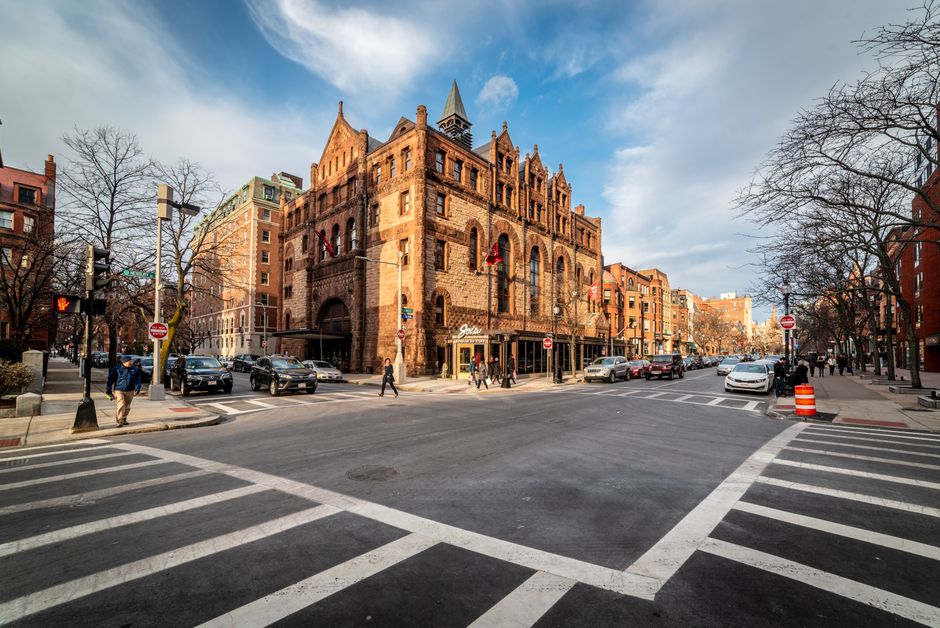
Walk down Lansdowne Street on a Friday night in 2026, and you'll witness the culmination of more than a century of Boston's relentless pursuit of live entertainment. The neon marquees, the crush of concertgoers, the deafening roar from inside House of Blues—it's a far cry from where this scene began, yet unmistakably descended from it.
Boston's live music heritage runs deeper than most American cities. During Prohibition, the speakeasies tucked beneath Scollay Square and around the Combat Zone became breeding grounds for jazz innovation. Musicians like Duke Ellington made pilgrimages to these underground venues, where the music was hot and the legal consequences were real. By the 1950s, the scene had migrated to more legitimate establishments, with the Strata-East label emerging from the city's thriving R&B and soul ecosystem.
The real transformation came in the 1970s and 1980s. The Rathskeller, which operated in Kenmore Square for three decades, became a launching pad for punk and new wave acts—including a young band called The Cars. The Paradise Rock Club, established in 1977, followed a similar trajectory, hosting everyone from emerging indie acts to international superstars. These mid-sized venues, holding between 600 and 1,000 people, became the sweet spot where artists could build devoted local followings before moving to arenas.
That ecosystem matured spectacularly. Today, Boston's music infrastructure spans from intimate clubs on Hanover Street in the North End—where venues like The Beehive blend jazz with cabaret—to the 19,500-seat TD Garden. The Orpheum Theatre on Hamilton Place, meticulously restored in 2021, now hosts Broadway productions and major concerts. The Museum of Fine Arts and Symphony Hall maintain their classical prestige, while the smaller circuit—Royale, The Midway, Brighton Music Hall—continues the historical mission of breaking new artists.
What's remarkable is how Boston has resisted the homogenization plaguing other major music cities. While national promoters consolidated venues under Live Nation and others, Boston maintained independent operators and venue-specific character. Ticket prices have inevitably climbed—general admission at major clubs now ranges from $25 to $60—but the depth of choice remains extraordinary.
The city's music education infrastructure, anchored by institutions like Berklee College of Music, ensures a constant pipeline of talent. More importantly, it means Boston audiences expect excellence. They're not passive consumers; they're participants in a living tradition that spans jazz cellars to stadium rock.
From Prohibition's hidden rooms to Lansdowne Street's bright lights, Boston's evolution reflects a city that understands one crucial truth: live music venues aren't just businesses. They're where culture happens, where young artists become legends, and where a city proves it has a soul.
This article was compiled by AI and screened before publishing. See our editorial standards.
How does this story make you feel?
Spread the word
About this article
Published by The Daily Boston
Daily brief
Free, in your inbox before 7am. Weekdays.
More in culture