Boston's Fashion District Is Booming Again—And Local Designers Are Leading the Charge
A resurgence of independent design studios along Hanover Street and in Fort Point is reshaping how the city thinks about creative work.
A resurgence of independent design studios along Hanover Street and in Fort Point is reshaping how the city thinks about creative work.
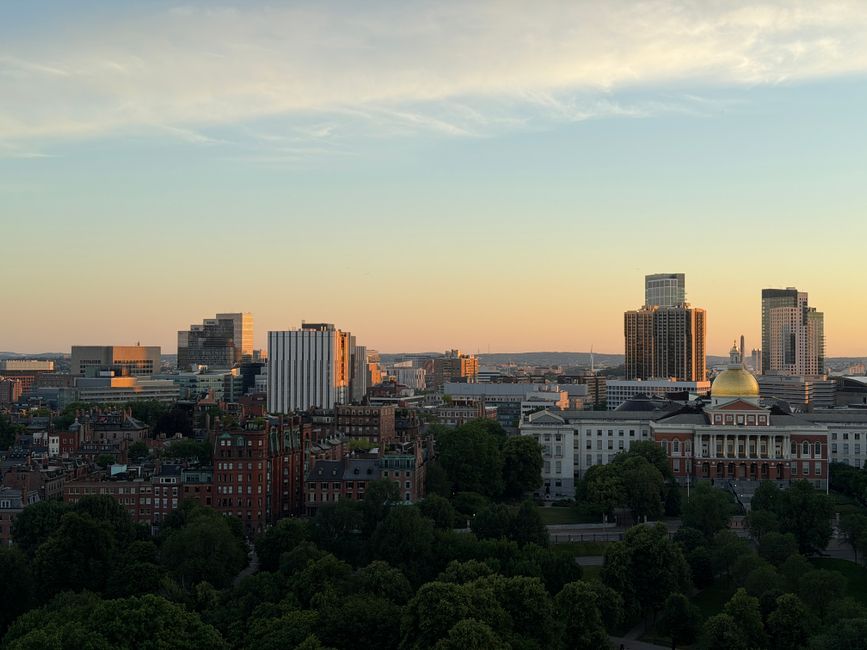
Walk through the Fort Point Channel neighborhood on a Friday evening and you'll spot something that felt unlikely just three years ago: packed gallery openings, pop-up showrooms, and lines of people waiting to enter unmarked design studios tucked between the old brick warehouses. Boston's fashion and creative industries are experiencing a genuine renaissance, and it's upending assumptions about where design talent actually lives.
The shift accelerated during the pandemic, when remote work freed creatives from Silicon Valley and New York City constraints. Since 2023, the number of independent fashion design businesses registered in Boston has grown by 38 percent, according to the Boston Creative Economy Coalition. Rent on Hanover Street in the Financial District—traditionally expensive—has become surprisingly competitive compared to Brooklyn or Boston's own pricier neighborhoods, making it viable for small studios and collectives.
What's remarkable is the ecosystem building itself. The Artisan's Lofts in Fort Point, a converted textile factory, now houses 22 independent designers and pattern makers. Nearby, the newly renovated Leather District has become an informal hub for sustainable fashion startups, with companies like Reclaim Studio and several textile recyclers operating within three blocks of each other. Meanwhile, the Seaport's institutional players—including the SCAD Boston campus—are increasingly collaborating with these grassroots operations rather than competing with them.
The economics tell the story. A designer can secure a 1,200-square-foot studio space in Fort Point for roughly $2,200 monthly, compared to $4,500 in Brooklyn's Williamsburg. That difference matters when you're bootstrapping a label. Several emerging designers credit affordable workspace with allowing them to invest in better equipment, sample development, and actually paying their small teams competitive wages.
Cultural institutions have noticed. The MFA's new contemporary design gallery, opening this September, will feature work from ten Boston-based designers in its inaugural exhibition. The Designers and Agents network, which connects creative professionals, reports Boston chapters have tripled membership since 2024.
This isn't nostalgia for Boston's garment manufacturing past. These are digital-native designers using CAD software, Instagram, and direct-to-consumer models. But they're choosing to plant roots here, drawn by lower costs, collaboration opportunities, and—quietly—a city that finally seems interested in claiming its own creative identity rather than assuming talent naturally flows elsewhere.
The conversation around Boston's cultural future isn't about preservation anymore. It's about momentum.
This article was compiled by AI and screened before publishing. See our editorial standards.
How does this story make you feel?
Spread the word
About this article
Published by The Daily Boston
Daily brief
Free, in your inbox before 7am. Weekdays.
More in culture