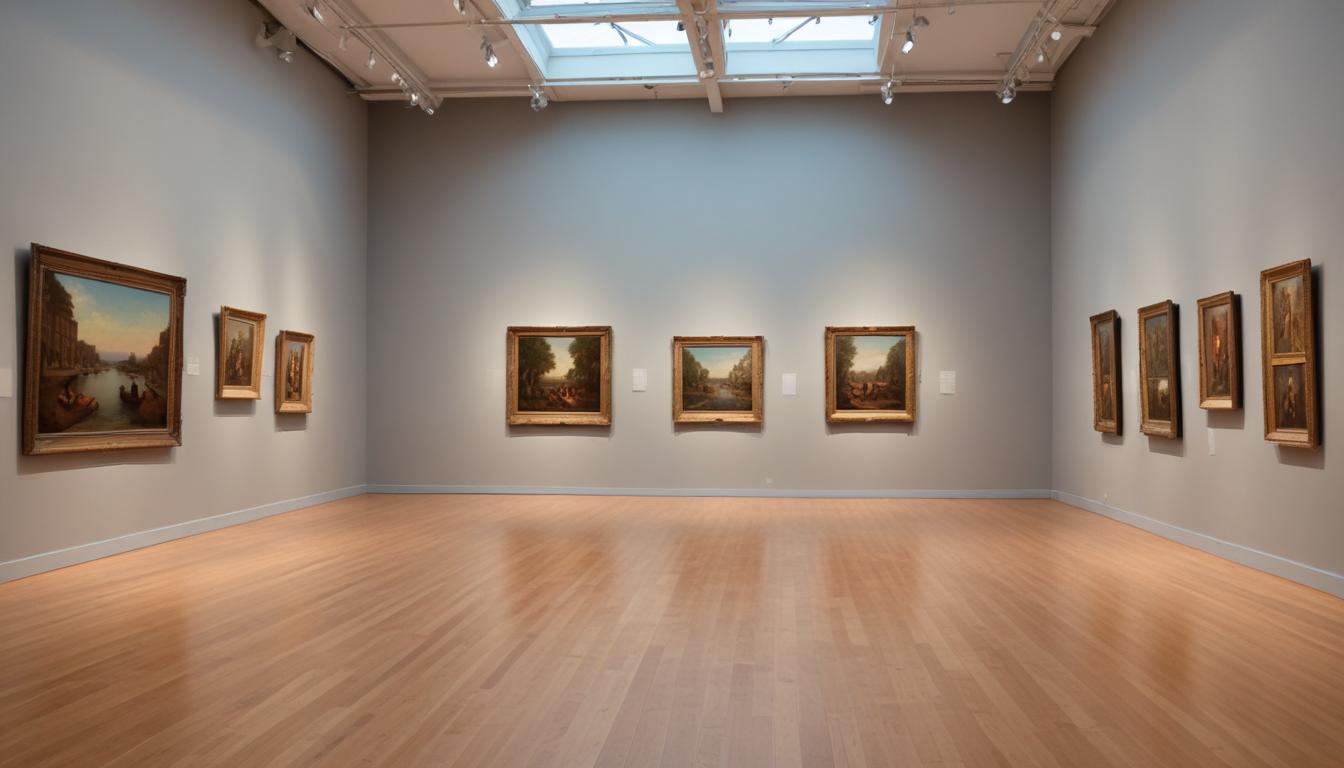
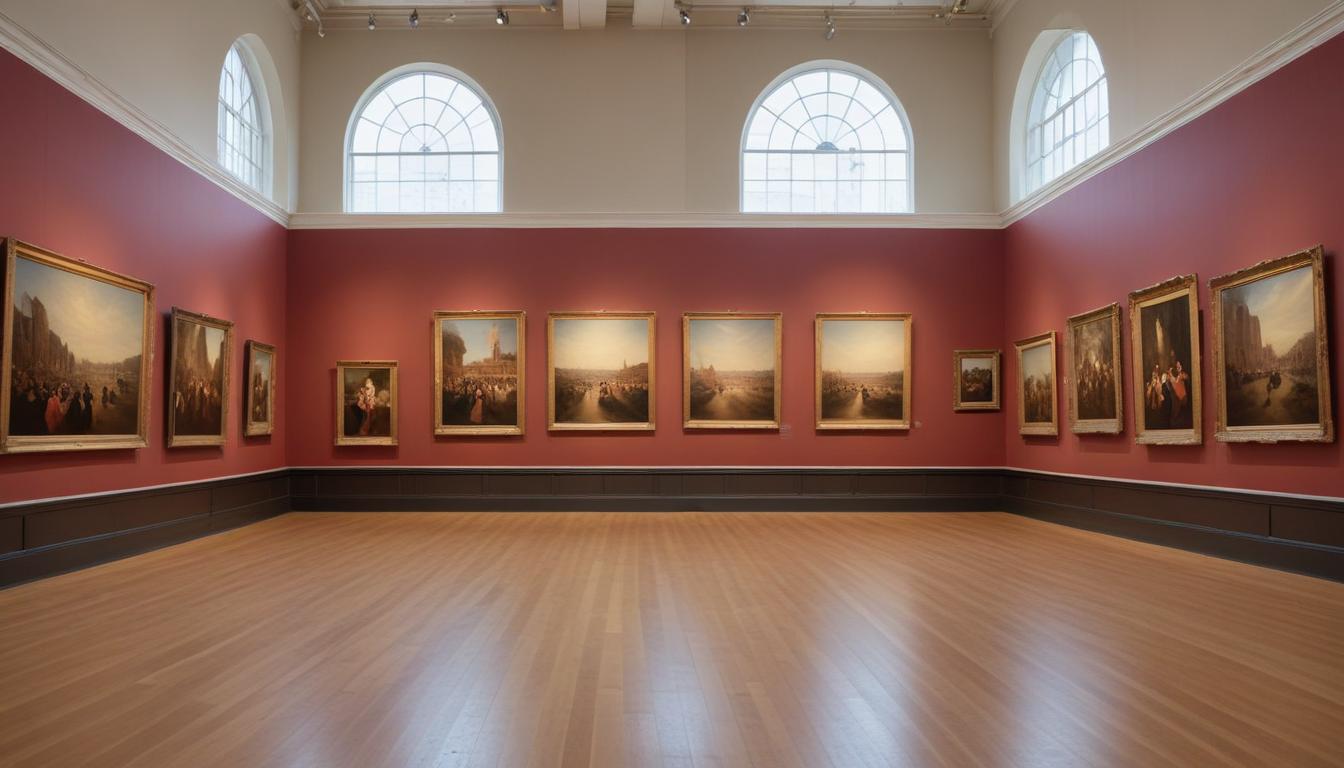
Walk through the Fort Point Channel district on any given Thursday evening, and you'll witness the unmistakable energy of a creative scene in transition. The galleries that have anchored Boston's art world for two decades—established institutions along Hanover Street and clustered around the Museum of Fine Arts—are no longer the sole arbiters of taste. Instead, a constellation of emerging artists is leveraging smaller independent spaces, pop-up venues, and artist-run collectives to bypass traditional gatekeeping entirely.
The shift reflects broader changes in how Boston's cultural economy operates. Between 2020 and 2025, three new artist-focused galleries opened in the South End alone, while established spaces like Bromfield Gallery expanded their programming to feature artists in their first five years of professional practice. Meanwhile, artist cooperatives in Jamaica Plain have doubled their membership, with average membership fees hovering around $150 monthly—substantially lower than commercial gallery representation fees that can reach 50 percent of sales.
What distinguishes this emerging wave isn't merely generational. Many of these artists are deliberately interrogating Boston's relationship with its own history: industrial heritage, demographic change, and the city's contradictory identity as both a cultural capital and a site of persistent inequity. Several are intentionally siting work outside traditional white-cube galleries, using community centers, abandoned storefronts on Blue Hill Avenue, and temporary installations along the Greenway.
The Isabella Stewart Gardner Museum's recent decision to dedicate 40 percent of its contemporary programming budget to artists with Boston zip codes—a significant increase from previous years—signals institutional acknowledgment of this shift. Similarly, the DeCordova Sculpture Park & Museum in Lincoln has made explicit commitments to feature three emerging Boston-area artists annually in major solo exhibitions, starting in 2027.
The economic precarity remains real. Most emerging artists supplement gallery income through teaching, freelance creative work, or unrelated employment. Yet the infrastructure supporting them—mentorship networks, affordable studio space initiatives, and collector communities willing to take risks on untested work—has matured considerably since 2023.
For serious collectors and casual art enthusiasts alike, the message is clear: the most vital conversations in Boston's visual culture aren't happening exclusively at prestigious institutions. They're unfolding in converted warehouses, independent galleries on Harrison Avenue, and artist-run spaces where the city's creative future is being actively negotiated. The question isn't whether these emerging voices will shape Boston's art world. It's whether the city's established institutions can adapt quickly enough to remain relevant.
This article was compiled by AI from the sources linked above and screened before publishing. See our editorial standards.