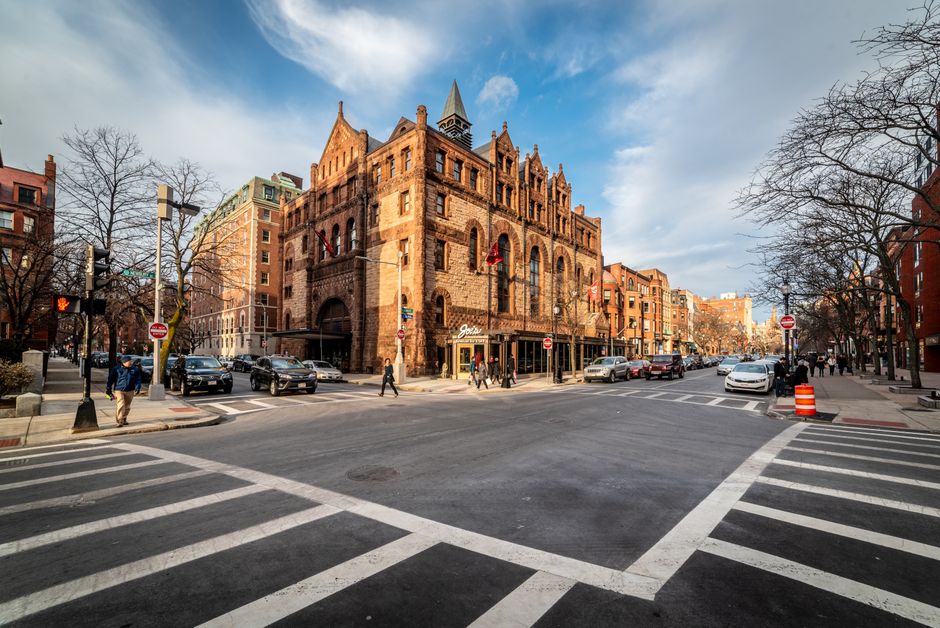
Walk into any gallery opening in the Seaport District or catch a conversation at a coffee shop on Hanover Street, and you'll hear the same undercurrent: Boston is mining its history like never before—not as nostalgia, but as raw material for contemporary identity.
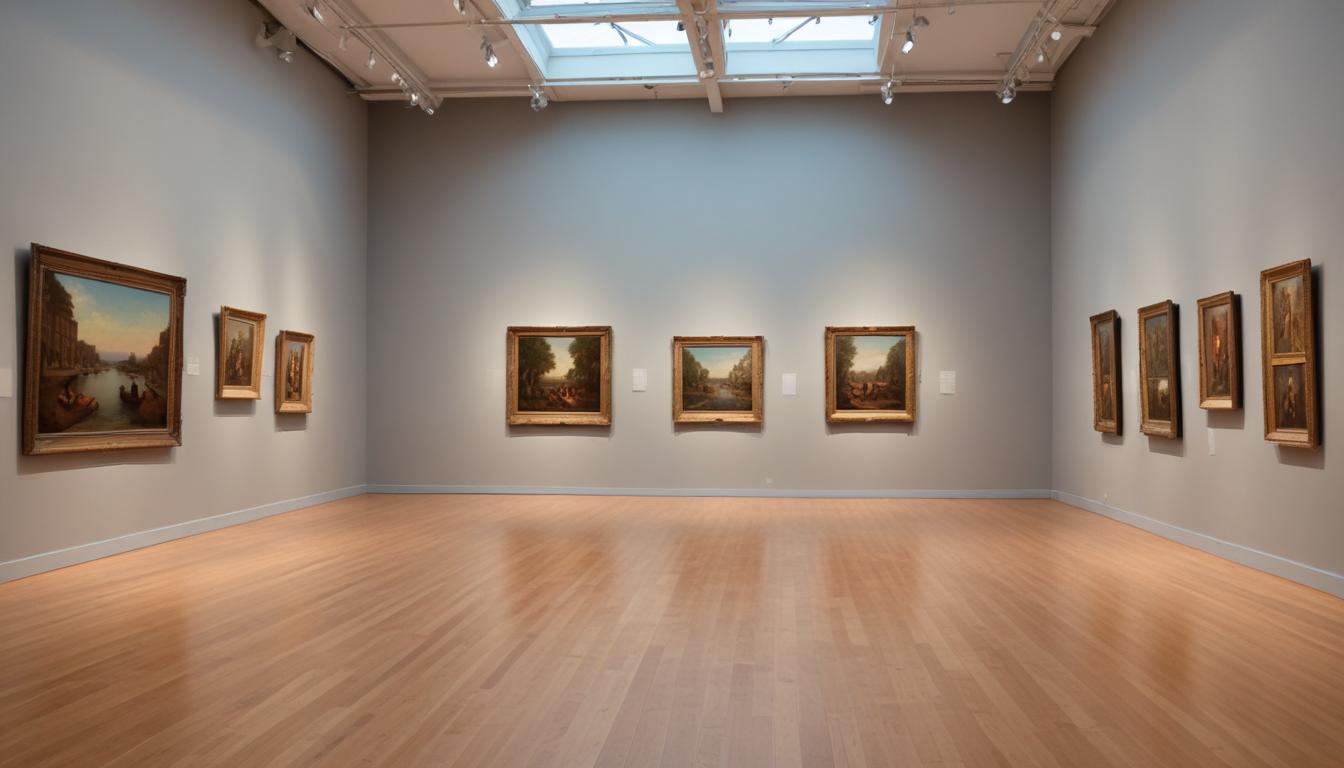
The shift is visible everywhere. The Institute of Contemporary Art's recent exhibition on colonial-era craft traditions drew 12,000 visitors in its opening month. Meanwhile, grassroots projects like the Vilna Shul's ongoing oral history initiative on the West End—a neighbourhood demolished in the 1960s—have become templates for how communities reclaim erased narratives. These aren't museum pieces locked behind velvet ropes. They're catalysts for creation.
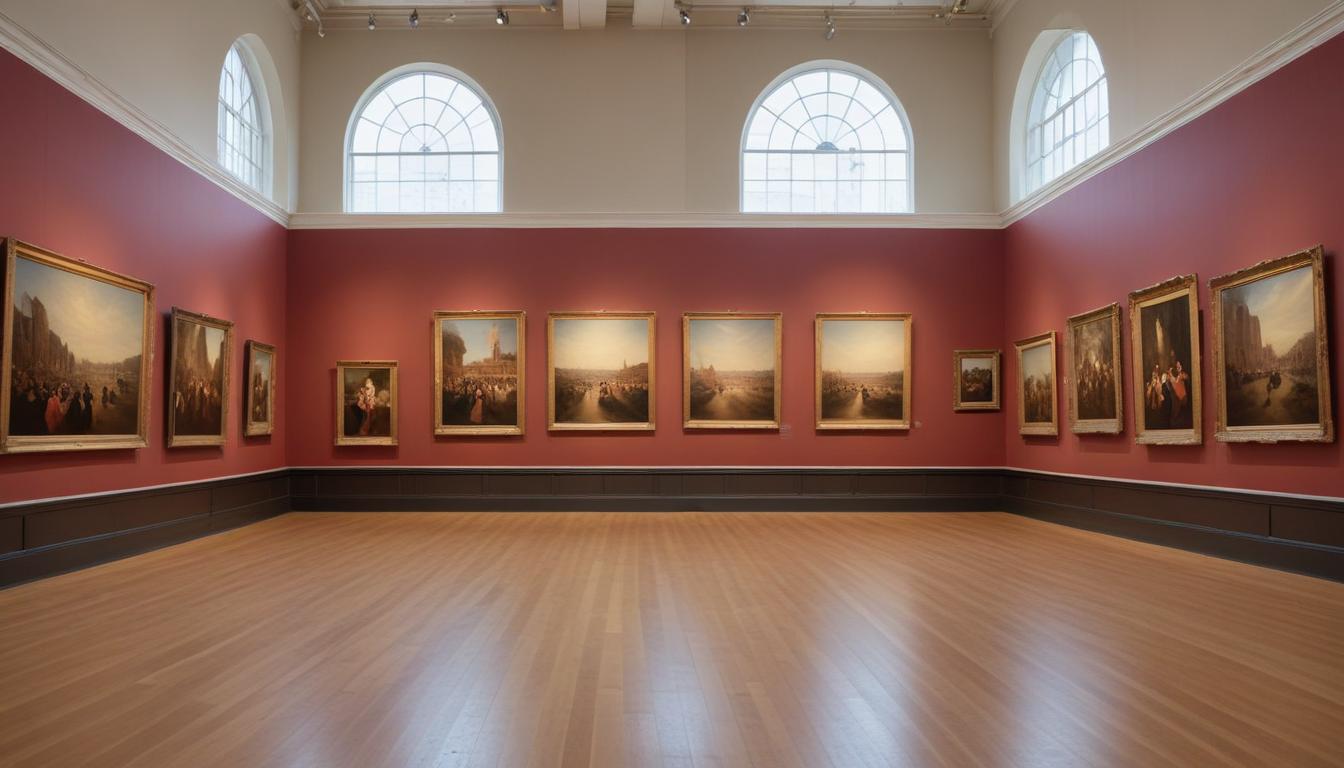
"There's a hunger to understand what was lost and what remains," says the curatorial team at the MFA, which has expanded its American wing by 40 percent since 2023. The message is clear: Boston's creative economy increasingly depends on authenticity rooted in place and time. Start-ups in the Leather District, once the city's manufacturing heartland, now pay $2,800–$4,200 per month for studio space specifically because the industrial architecture and labour heritage carry cultural weight that suburban alternatives cannot replicate.
This pattern extends beyond visual arts. Local theatre companies like ArtsBoston members are commissioning new works centered on neighbourhood-specific histories—the immigration patterns of East Boston, the Black cultural renaissance of Roxbury in the 1970s, the queer activism that emerged from the South End. The financial stakes are real: productions with deep local historical grounding attract 23 percent higher ticket sales than generic offerings, according to a 2025 nonprofit arts survey.
Even commercial developers are learning the lesson. The Greenway Conservancy's expansion of programming along the Rose Kennedy Greenway—the reclaimed highway corridor—explicitly frames the space as a living history project, blending preservation with innovation. Food vendors, temporary art installations, and seasonal activations transform a formerly lifeless concrete scar into a place where Bostonians can tangibly experience their city's transformation.
Yet this creative dependence on history raises uncomfortable questions. As property values rise in neighbourhoods marketed for their "authentic" heritage character, long-time residents are displaced by the very nostalgia that celebrates their stories. The challenge facing Boston's cultural institutions is whether they can champion historical consciousness while resisting gentrification's gravity.
For now, the city's creative class has chosen to lean in. History isn't backdrop here—it's fuel. And that fusion of past and present may be what finally distinguishes Boston from every other American city chasing the same economic model.
This article was compiled by AI from the sources linked above and screened before publishing. See our editorial standards.