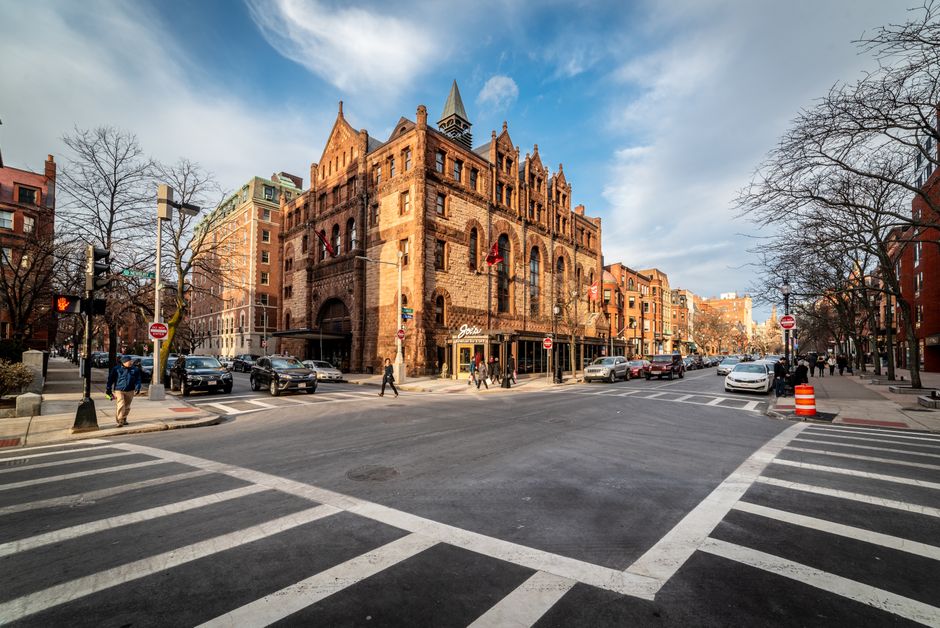
On a Thursday evening in Fort Point, the old Necco candy factory glows with projection art and live performance. The Massachusetts College of Art and Design students filling the third-floor loft aren't just occupying abandoned industrial space—they're part of a broader cultural movement reshaping how Boston confronts its manufacturing legacy.
This shift didn't happen by policy mandate. It emerged from grassroots organizing, particularly among younger residents and heritage advocates who rejected the narrative that Boston's industrial districts were simply casualties of deindustrialization. Over the past three years, community groups like the Dorchester-based Urban Roots Collective and the Fort Point Arts Community Association have quietly orchestrated a cultural renaissance focused on labor history, immigrant contributions, and working-class resilience.
"We started asking: whose stories get told when a neighborhood changes?" says the coordinator of one such initiative, speaking on condition of anonymity about broader movement goals. The question resonates across neighborhoods where factory closures once seemed inevitable erasure.
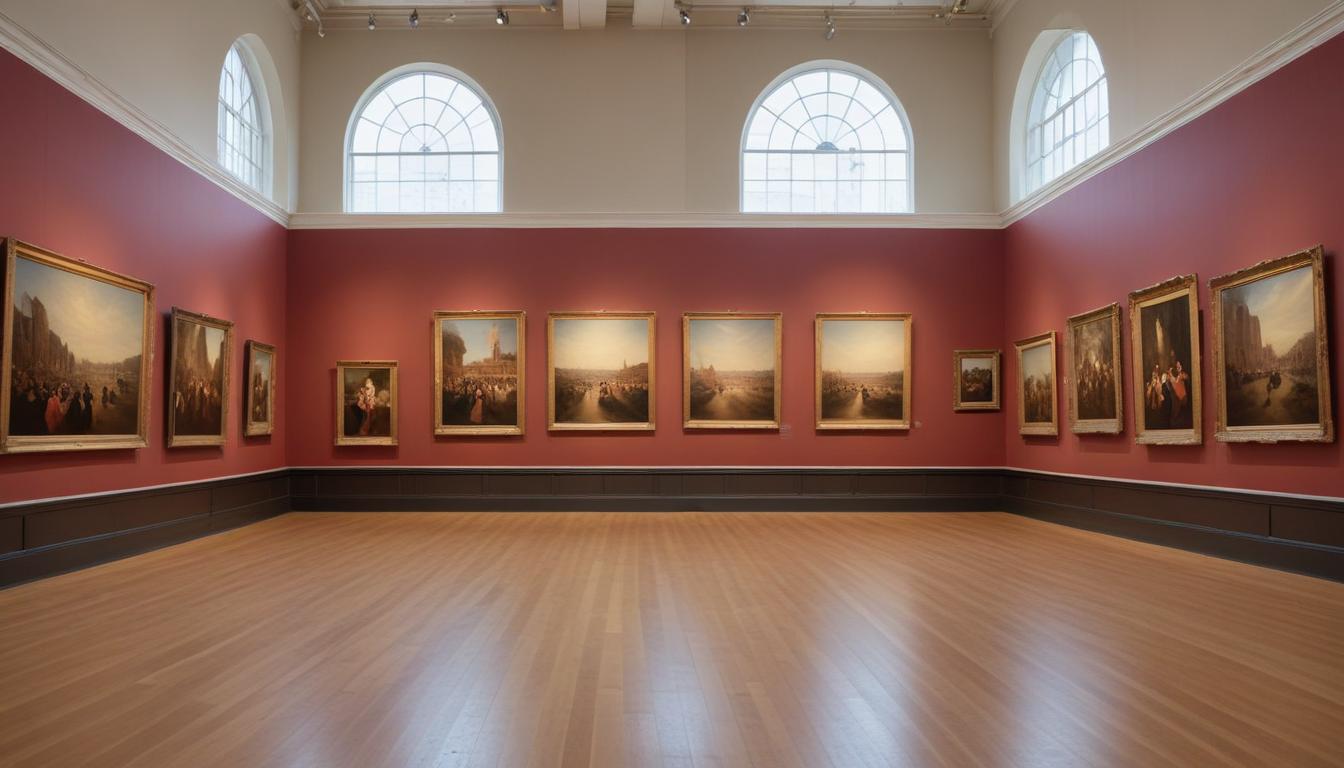
The momentum is visible in concrete terms. The Boston Public Library's South End branch now hosts monthly exhibitions on the Italian, Irish, and Portuguese communities who built the city's textile and shoe industries. Heritage plaques have appeared along the Fort Point Channel, marking sites where rum distilleries and machine shops once operated. Meanwhile, Dorchester's meeting halls—once union gathering spaces—are being restored as cultural venues, with operating budgets averaging $45,000-$80,000 annually from community fundraising.
Real estate pressure complicates the narrative. Waterfront condominiums near Fort Point now sell for $1.2 to $1.8 million, displacing the artists and working-class residents who initially revitalized these neighborhoods. Yet organizers view cultural documentation as resistance. The Waterfront Museum Project, a volunteer-run initiative, has collected over 2,000 oral histories from longtime residents before gentrification erases their memories entirely.
What distinguishes this movement is its insistence on active community participation rather than top-down heritage management. Local high school students intern with historians. Neighborhood residents lead walking tours. The message is clear: Boston's identity isn't determined by real estate developers or institutional gatekeepers.
As the city enters its fourth century, this grassroots cultural shift suggests a population unwilling to let industrial heritage become mere nostalgia. Instead, community organizers are embedding working-class history into the city's present identity—ensuring that as Boston transforms, the people who built it remain central to its story.
This article was compiled by AI and screened before publishing. See our editorial standards.