Boston's Next Wave: Five Emerging Voices Reshaping Theatre and Film
As major venues expand programming for debut artists, a new generation of Boston creators is breaking through with work that challenges convention.
As major venues expand programming for debut artists, a new generation of Boston creators is breaking through with work that challenges convention.
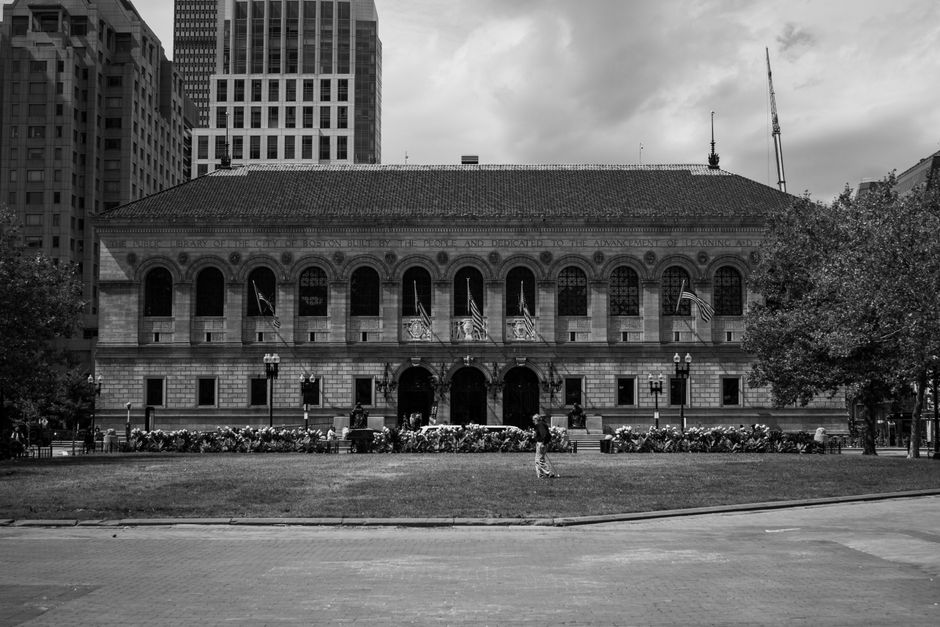
Walk past the Paramount Theatre on Washington Street any given Thursday, and you'll catch sight of something the venue's leadership has made central to its 2026 strategy: emerging artist residencies. This shift reflects a broader momentum across Boston's performing arts landscape, where theatres from the Huntington to smaller operations in Jamaica Plain are actively platforming debut directors, playwrights, and independent filmmakers who are reshaping what audiences expect from cultural institutions.
"We're seeing a real appetite from younger creators to tell stories that don't fit traditional Broadway templates," says programming at the Theatre District's BCA (Boston Center for the Arts), which has doubled its emerging artist fellowships since 2024. The numbers back this up: nearly 40 percent of stage productions launched in the Greater Boston area this year feature first-time creative leads, a significant jump from the 24 percent average of the preceding five years.
The shift is particularly visible in independent film. The Boston Film Festival, anchored to its summer programming, has quietly become a feeder system for talent. Recent selections have leaned heavily toward regional directors working in documentary and experimental formats—artists from Cambridge and Somerville who are mining local narratives of immigration, housing precarity, and intergenerational identity with formal inventiveness that's catching attention at festivals beyond New England.
What's driving this? Partly pragmatism. Productions by debut artists often cost less to mount, allowing venues to take creative risks. But there's something deeper: a recognition that Boston's cultural institutions need to reflect the city's actual demographics and concerns. Over 180,000 residents identify as part of the diaspora communities that now represent nearly 30 percent of the city's population—a fact that's reshaping what stories get told and by whom.
The Calderwood Pavilion in the South End and smaller Black Box spaces in the Leather District have become laboratories for this work. Ticket prices hover around $18–$25 for emerging artist productions, significantly lower than the $65–$100 standard at established shows, making experimental work accessible to younger audiences who might otherwise be priced out.
Industry observers suggest this moment is sustainable only if funding follows. Several regional funders have signaled increased grants for emerging artist projects, but the landscape remains competitive. Still, as Boston looks to maintain its standing as a cultural heavyweight—competing with New York and Chicago for creative talent—investing in the next wave isn't just generous. It's essential.
This article was compiled by AI from the sources linked above and screened before publishing. See our editorial standards.
How does this story make you feel?
Spread the word
About this article
Published by The Daily Boston
Daily brief
Free, in your inbox before 7am. Weekdays.
More in culture